
Purchasing a luxury home is one of the biggest financial decisions most families make. While location, floor plans, and lifestyle amenities often receive the most attention, the legal status of the project deserves equal importance. Before investing in Sobha Aranya, buyers should understand its RERA registration, expected possession timeline, construction progress, and the legal documents that should be verified before signing any agreement.
This guide explains everything you need to know to make a well-informed decision and reduce legal or financial risks. If you’re still comparing projects or planning your purchase journey, our complete home buying guide for Gurgaon can help you understand every stage of buying a property. For a broader overview of the project, you can also explore the complete Sobha Aranya project overview before reviewing its legal aspects.
Is Sobha Aranya RERA Approved?
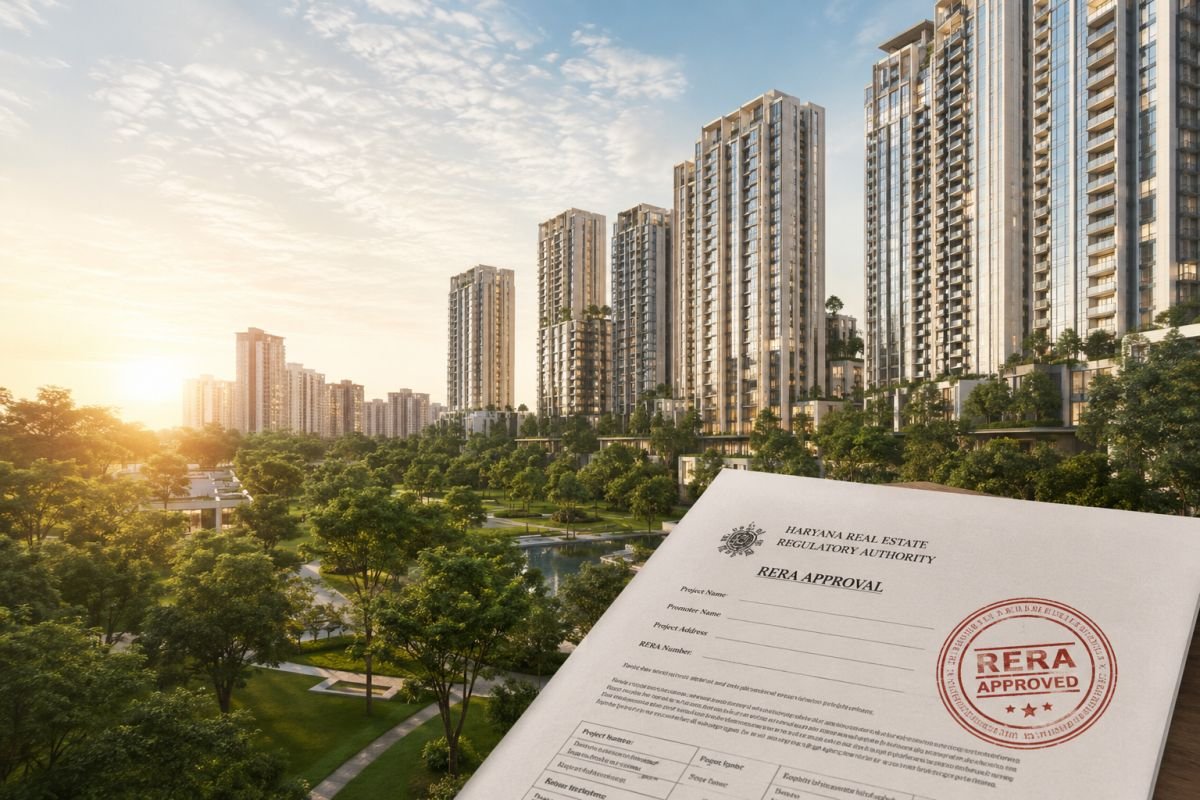
Yes, Sobha Aranya is a RERA-registered residential project. Registration under the Real Estate (Regulation and Development) Act, 2016 ensures that the project follows regulatory guidelines related to transparency, construction updates, and buyer protection.
A RERA-registered project gives homebuyers access to important information such as approved layouts, registered project details, completion timelines, and periodic construction updates. Before making any payment, it is always advisable to verify the latest registration details and project information on the official Haryana RERA portal.

Although RERA registration improves transparency, buyers should still perform their own due diligence and review all legal documents carefully before proceeding with a booking.
Why RERA Matters When Buying a Luxury Home
Luxury residential projects involve substantial investments, making legal verification an essential part of the buying process. RERA was introduced to bring accountability to the real estate sector by ensuring that developers disclose accurate information and follow approved project timelines.
For buyers, RERA offers several advantages. It requires developers to register projects before selling, disclose project approvals, provide regular construction updates, and maintain financial discipline through designated project accounts. It also establishes a legal framework for addressing disputes if commitments are not fulfilled.
While RERA cannot eliminate every risk associated with real estate, it significantly improves transparency and provides buyers with greater confidence during the purchase process.
Understanding the Possession Timeline
One of the most common questions buyers ask is when they can expect to receive possession of their apartment. The possession timeline depends on multiple stages of construction and regulatory approvals rather than a single announced date.
Typically, the journey begins with booking and execution of the Builder-Buyer Agreement. This is followed by structural construction, brickwork, internal finishing, electrical and plumbing installations, façade completion, landscaping, and common area development.
Once construction is complete, the developer must obtain statutory approvals, including the Completion Certificate (CC) and Occupancy Certificate (OC), before handing over apartments to homebuyers.

Rather than relying solely on marketing brochures, buyers should review the latest construction progress and compare it with the committed timeline available through official project updates.
Factors That Can Influence Possession
Construction schedules can change for various reasons. Availability of skilled labour, weather conditions, material supply, infrastructure development, and government approvals all influence project completion.
Projects that demonstrate consistent construction progress and regular updates generally inspire greater confidence among buyers. A reputed developer’s execution capability and historical delivery record can also provide useful context when evaluating expected possession timelines.
Keeping track of official progress reports is a better approach than depending on market speculation or unofficial information.
Legal Documents Every Buyer Should Verify
Legal verification should never be treated as a formality. Reviewing the right documents before booking can help buyers avoid future disputes and unexpected liabilities.
The first document to verify is the RERA registration certificate. Buyers should confirm that the project name, developer details, and approved timelines match the official records.
The approved building plans and layout plans should also be examined to ensure that the apartment configuration being marketed corresponds with sanctioned approvals. Buyers can also review the available apartment layouts and configurations to compare different unit options before making a booking decision.

Land ownership documents or development rights should be clear, as these establish the developer’s legal authority to undertake the project.
The Builder-Buyer Agreement deserves particular attention. It contains important provisions related to payment schedules, possession timelines, construction specifications, cancellation policy, maintenance charges, parking allocation, and delay compensation. Buyers should carefully read every clause before signing.
Other important approvals may include environmental clearance, fire safety approval, utility permissions, and other statutory approvals applicable to the development.
If purchasing through a home loan, buyers can also ask whether the project has been approved by leading banks, as lenders conduct independent legal and technical evaluations before financing residential projects.
Completion Certificate and Occupancy Certificate
Many homebuyers are unfamiliar with the difference between the Completion Certificate and the Occupancy Certificate.
A Completion Certificate confirms that the building has been constructed according to the approved plans and applicable development regulations.
An Occupancy Certificate is issued after the competent authority verifies that the completed building is fit for occupation and essential services comply with prescribed standards.
Receiving possession after the Occupancy Certificate has been obtained helps ensure that the property satisfies important regulatory requirements.
A Practical Legal Checklist Before Booking
Before paying the booking amount, buyers should complete a systematic verification process.
Verify the RERA registration and review the latest project updates. Check the approved floor plans, carpet area, specifications, and payment schedule. Read the Builder-Buyer Agreement carefully, paying special attention to possession timelines, cancellation clauses, maintenance charges, parking rights, and any additional costs.
It is equally important to understand the complete financial commitment. Apart from the apartment price, buyers should account for GST, stamp duty, registration charges, maintenance deposits, club membership fees, and other applicable charges.
If any clause appears unclear or unusual, seek advice from an experienced legal professional before signing any documents.
What If Possession Gets Delayed?
Although developers aim to complete projects within the committed timeline, delays can occasionally occur because of construction challenges, regulatory approvals, or external factors beyond their control.
The Real Estate (Regulation and Development) Act, 2016 provides certain rights to homebuyers in situations where possession is significantly delayed, subject to the applicable legal provisions and contractual terms. Understanding these rights before investing helps buyers make informed decisions and prepares them for different scenarios that may arise during the project lifecycle.
Is Sobha Aranya Worth Considering?
Sobha has established a reputation for quality construction, engineering standards, and premium residential developments across multiple Indian cities. Reviewing Sobha’s residential developments and Sobha’s delivery and construction track record can provide additional confidence regarding the developer’s execution capabilities. For buyers evaluating Sobha Aranya, the project combines premium specifications with forest-inspired lifestyle amenities, making it an attractive option for those seeking a healthier and more sustainable lifestyle.
From a location perspective, the project benefits from its position near the Dwarka Expressway growth corridor, one of Gurgaon’s fastest-developing infrastructure zones. The detailed Sector 80 location analysis and road connectivity and commuting advantages highlight how residents can access major business districts, NH-48, and the upcoming regional transport network with relative ease.

Families should also consider the surrounding social infrastructure. Evaluating nearby schools, hospitals, and daily conveniences helps determine whether the neighbourhood aligns with long-term lifestyle needs. Buyers comparing premium residential destinations can also explore the top residential sectors in Gurgaon before making a final decision.
From an investment perspective, understanding Gurgaon’s high-growth investment corridors and the future appreciation potential of Sector 80 provides valuable context for long-term capital appreciation. As buyer preferences continue to evolve, the growing demand for nature-led communities has made green, low-density developments increasingly desirable among luxury homebuyers.
No matter how attractive a project appears, independent verification remains essential. Buyers should review official approvals, evaluate construction progress, understand contractual obligations, and seek professional advice wherever necessary.
A well-informed purchase decision is always more valuable than a quick booking based solely on promotional material.
Final Thoughts
Buying a premium home is not only about choosing the right apartment—it is about choosing a legally secure investment. Understanding the RERA status, monitoring construction progress, reviewing possession timelines, and verifying legal documentation can help buyers reduce uncertainty and make confident decisions.

Before booking Sobha Aranya, take time to verify official project details, examine every important document, and understand the financial and legal commitments involved. Careful due diligence today can help ensure a smoother home-buying experience and greater peace of mind in the years ahead.
Frequently Asked Questions
Is Sobha Aranya RERA approved?
Yes, Sobha Aranya is a RERA-registered project. Buyers should verify the latest registration details and project updates on the official Haryana RERA portal before making any investment.
What is the expected possession timeline for Sobha Aranya?
The possession schedule depends on construction progress and statutory approvals. Buyers should rely on the latest official updates from the developer and Haryana RERA for the most accurate timeline.
Which legal documents should I verify before booking?
Important documents include the RERA registration certificate, approved building plans, land ownership documents, Builder-Buyer Agreement, payment schedule, environmental approvals, and other applicable statutory clearances.
What is the difference between the Completion Certificate and the Occupancy Certificate?
The Completion Certificate confirms that construction has been completed according to approved plans, while the Occupancy Certificate certifies that the building is legally fit for occupation.
Can I get a home loan for Sobha Aranya?
Most leading banks and housing finance companies generally finance RERA-approved projects after completing their own legal and technical verification. Buyers should confirm lender approvals before applying.
What should I check before signing the Builder-Buyer Agreement?
Review the payment schedule, possession timeline, carpet area, specifications, cancellation policy, maintenance charges, parking allocation, and delay-related clauses carefully before signing.




Join The Discussion