
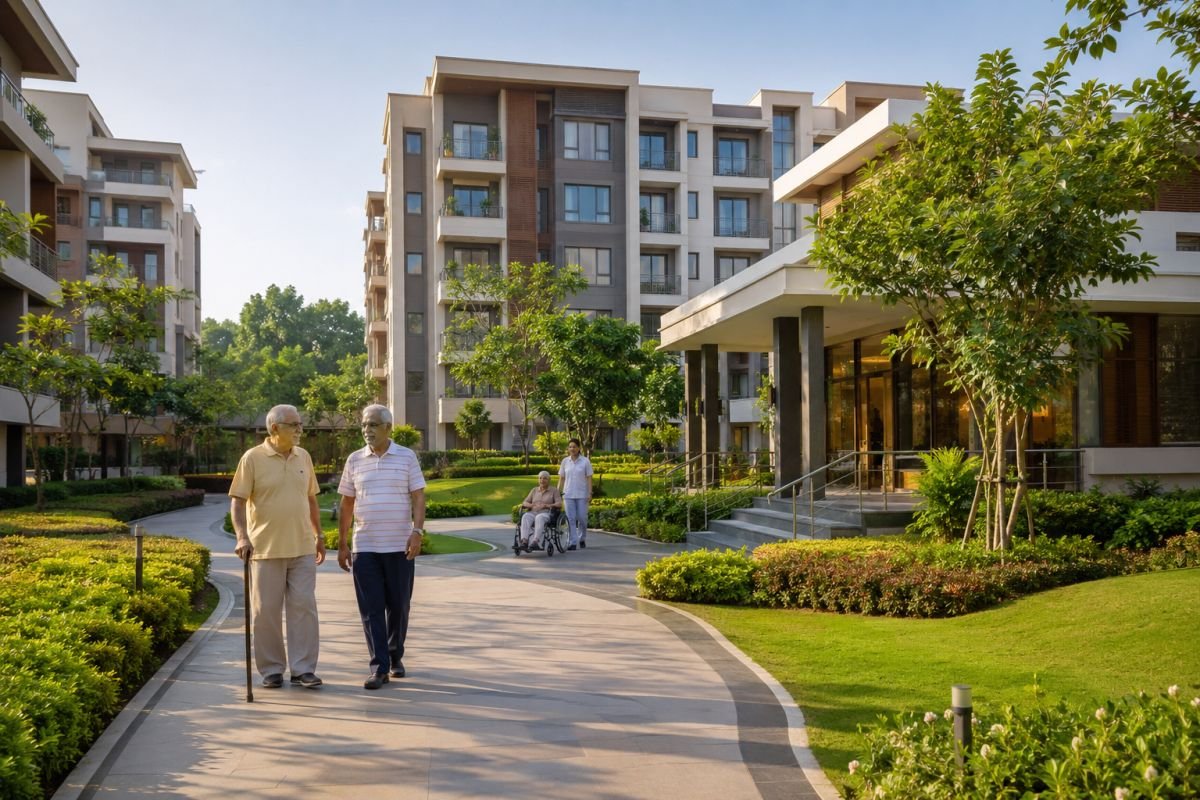
Choosing the right home is one of the most important decisions for any family. While location, budget, and amenities remain top priorities, many homebuyers are now considering another crucial factor—whether a home is designed to support comfortable and independent living as people grow older. This shift has led to the growing popularity of senior-centric homes, a residential concept that focuses on safety, accessibility, wellness, and community living for senior citizens.
Unlike the traditional image of retirement homes or old-age homes, senior-centric communities are modern residential developments where seniors can lead active, independent lives while enjoying access to healthcare support, security, and lifestyle amenities. Whether you are planning a home for your parents, preparing for your own retirement, or looking for a future-ready property, understanding senior-centric homes can help you make a well-informed decision.
Why Senior-Centric Homes Are Becoming Popular
India is witnessing a steady rise in its ageing population. At the same time, nuclear families and career opportunities often mean children live in different cities or even abroad. Many elderly parents prefer maintaining their independence instead of moving in with family members, but they also want the reassurance of a safe environment and immediate support during emergencies.

Senior-centric homes address these changing lifestyle needs by combining independent homeownership with thoughtfully planned infrastructure and essential services. These communities allow seniors to enjoy privacy while staying connected with people of similar age groups, creating a balanced and fulfilling lifestyle.
What Are Senior-Centric Homes?
Senior-centric homes are residential properties specifically designed to meet the needs of older adults. These homes feature age-friendly architecture, accessibility-focused layouts, enhanced safety measures, and community amenities that promote healthy and independent living.
Unlike assisted living facilities, which provide continuous medical care for people with higher support needs, senior-centric homes are ideal for active seniors who can manage their daily lives independently but appreciate the convenience of healthcare access, maintenance services, and social engagement.
Residents typically own or lease their homes just like in any regular residential society, while benefiting from specialized facilities designed to make everyday living easier and safer.
Features of a Senior-Centric Home
The biggest advantage of senior-centric housing lies in its thoughtful design. Every element of the project is planned with comfort and convenience in mind.
Inside the home, anti-skid flooring helps reduce the risk of falls, while wider doorways and corridors improve wheelchair accessibility. Bathrooms often include grab bars, walk-in showers, and non-slip surfaces. Switchboards, storage cabinets, and kitchen counters are positioned at comfortable heights to minimize physical strain.

Common areas are equally important. Ramps replace steep staircases, elevators are spacious enough for mobility aids, and walking paths are designed with smooth surfaces, proper lighting, and resting benches. Emergency response systems, CCTV surveillance, visitor management, and round-the-clock security further enhance residents’ safety.
Many senior-centric communities also offer facilities such as physiotherapy centers, yoga studios, wellness clinics, libraries, hobby rooms, housekeeping services, dining options, pharmacies, and regular health camps. These amenities help seniors maintain both their physical and mental well-being while reducing dependence on family members.
Who Should Consider Buying a Senior-Centric Home?
Senior-centric homes are suitable for different types of homebuyers, not just retired individuals.
Retired couples often choose these communities because they offer a peaceful, low-maintenance lifestyle with access to daily conveniences. Families living in different cities find comfort in knowing that their parents have medical support and security close at hand. NRIs frequently invest in such properties to provide their parents with a safe and comfortable environment back home.
Even people in their late forties or fifties are beginning to purchase senior-friendly homes as part of their long-term retirement planning. Buying early allows them to secure a desirable property while property prices are relatively affordable.
Senior-Centric Homes vs Traditional Apartments
Although modern residential apartments may offer premium amenities such as swimming pools, gyms, and clubhouses, they are generally designed for residents of all age groups. Senior-centric communities prioritize features that directly improve the daily lives of older adults.
Healthcare support, accessible design, emergency assistance, and organized wellness programs are integrated into the community instead of being optional additions. Maintenance services are often more comprehensive, reducing the burden of household responsibilities.
The sense of community is another significant advantage. Seniors living among people with similar lifestyles often enjoy greater social interaction, participate in group activities, and experience lower levels of loneliness compared to living alone in conventional housing societies.
Benefits for Families
Senior-centric homes provide advantages that extend beyond the residents themselves. Adult children often worry about parents living independently, particularly during medical emergencies or when they are unable to visit frequently.
Knowing that trained staff, security personnel, healthcare professionals, and emergency services are available within the community provides valuable peace of mind. Seniors continue enjoying their independence while families gain confidence that support is always nearby if required.

Regular recreational activities, fitness sessions, cultural events, and social gatherings also encourage meaningful relationships among residents, creating a positive living environment that supports emotional well-being.
Things to Check Before Buying
Not every project marketed as “senior-friendly” offers the same level of quality. Homebuyers should carefully evaluate several important factors before making a purchase.
Start by researching the developer’s reputation and previous residential projects. Visit the community personally to assess accessibility features rather than relying solely on brochures. Confirm whether medical facilities are managed in-house or through nearby hospital partnerships.
Understand the maintenance charges, services included, visitor policies, emergency response systems, and long-term operational costs. It is also helpful to speak with existing residents to gain practical insights into everyday life within the community.

Location remains equally important. Choose projects that offer good connectivity to hospitals, shopping centers, public transportation, and essential services. If you’re considering buying in Gurgaon, exploring the top residential sectors in Gurgaon can help you shortlist neighborhoods that offer better infrastructure, healthcare access, and long-term livability.
Are Senior-Centric Homes a Good Investment?
Senior-centric housing represents a growing segment of India’s residential real estate market. Increasing life expectancy, changing family structures, and rising awareness about retirement planning are expected to support long-term demand for such properties.
Before investing, it is worth comparing Gurgaon’s fastest-growing residential locations to understand which micro-markets are benefiting from infrastructure upgrades, better healthcare facilities, and improved connectivity. Well-connected corridors such as the Dwarka Expressway growth corridor are attracting premium residential developments that appeal to both end-users and long-term investors.
While these homes may cater to a more specialized audience than conventional apartments, projects developed by reputed builders in well-connected locations can offer attractive long-term value. Buyers exploring premium residential communities in Gurgaon can also review projects like DLF The Arbour to understand how modern residential developments emphasize quality construction, open spaces, and lifestyle-focused amenities. However, investment decisions should balance financial expectations with lifestyle suitability.
Rather than focusing only on future appreciation, buyers should consider whether the community genuinely meets current and future needs related to accessibility, healthcare, and quality of life.
Common Myths About Senior-Centric Homes
Many people mistakenly believe senior-centric homes are simply another name for old-age homes. In reality, they are independent residential communities where residents enjoy privacy, ownership, and an active lifestyle.
Another common misconception is that these homes are only for people with health issues. Most communities are designed for healthy, active seniors who want to enjoy retirement without worrying about maintenance or safety concerns.
Some buyers also assume senior-centric homes are significantly more expensive than traditional apartments. While premium communities may carry higher prices due to specialized infrastructure and services, many projects offer competitive pricing considering the long-term value they provide.
Conclusion
Senior-centric homes are changing the way families approach retirement living. Instead of focusing solely on accommodation, these communities create an environment where seniors can live independently, stay socially active, and enjoy access to essential healthcare and support services whenever needed.

Whether you are buying a home for your parents, planning your own retirement, or exploring future-ready residential options, investing in a thoughtfully designed senior-centric community can provide lasting comfort, convenience, and peace of mind. If you are preparing for a property purchase, understanding the complete home buying process will help you evaluate projects more confidently and avoid common mistakes.
The best choice is one that combines quality construction, accessible design, reliable healthcare support, and a welcoming community that enables residents to enjoy every stage of life with confidence.
Frequently Asked Questions (FAQs)
1. What is a senior-centric home?
A senior-centric home is a residential property designed specifically for older adults. It includes accessibility features, enhanced safety measures, healthcare support, and community amenities that encourage independent and comfortable living.
2. How are senior-centric homes different from retirement homes?
Senior-centric homes are independent residential communities where seniors own or rent their homes while enjoying age-friendly facilities. Retirement or assisted living homes generally provide additional personal care and medical assistance for residents who need daily support.
3. Who should consider buying a senior-centric home?
These homes are suitable for retired couples, senior citizens living independently, NRIs purchasing homes for their parents, and individuals planning their retirement lifestyle well in advance.
4. What features should I look for before buying?
Look for anti-skid flooring, ramps, wheelchair-friendly layouts, grab bars, emergency response systems, healthcare facilities, 24/7 security, housekeeping services, and well-maintained common areas.
5. Are senior-centric homes a good investment?
They can be a strong long-term investment in cities where demand for senior-friendly housing is increasing. Buyers should consider the developer’s credibility, project location, maintenance costs, and future resale potential before making a decision.



Join The Discussion