
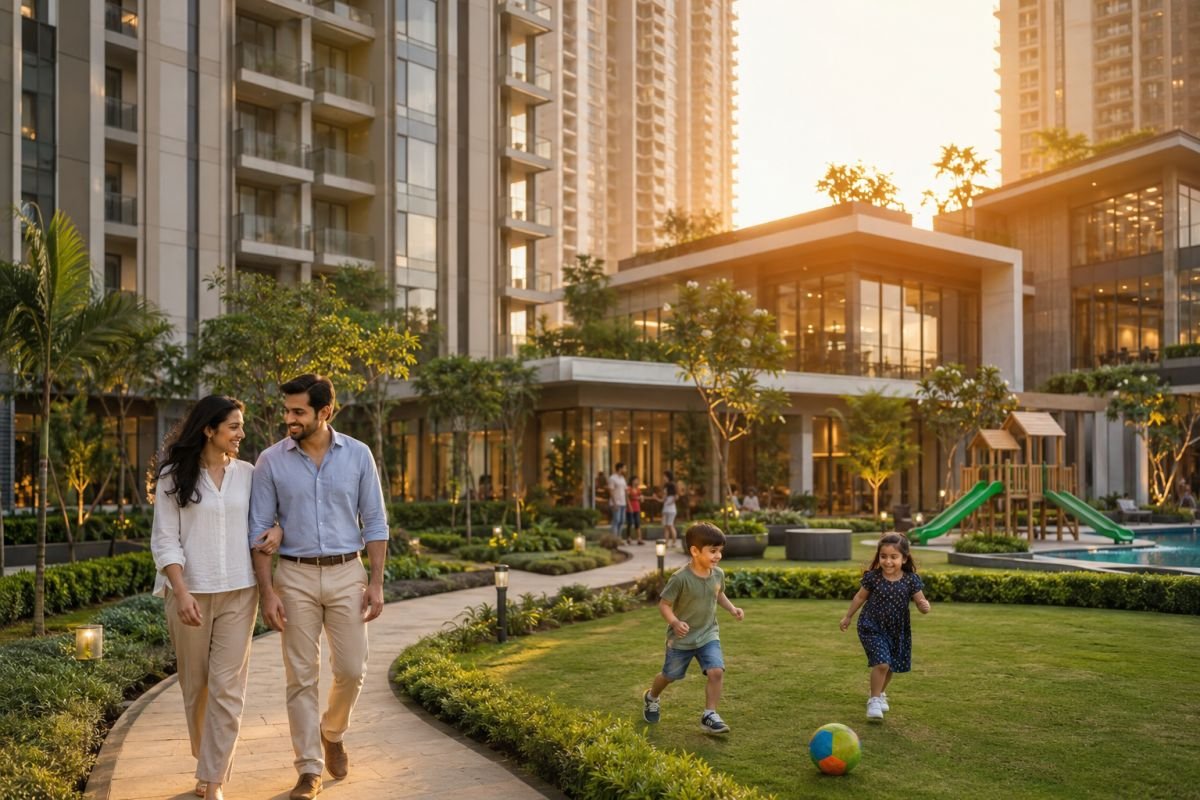
For many parents, buying a home is no longer just about finding a spacious apartment or a prestigious address. It is about choosing an environment where children can grow up safely, build friendships, enjoy outdoor activities, and develop healthy habits. As modern lifestyles become increasingly busy, the design of a residential community plays a significant role in shaping everyday family life.
This shift has led to the rise of kid-centric residential communities—projects that prioritize children’s needs alongside the comfort of the entire family. At the same time, traditional apartment complexes continue to attract buyers because of their affordability, established locations, and practical conveniences. So, which option is the better choice? The answer depends on your family’s priorities, lifestyle, and long-term goals.
Buying a family home is a long-term commitment, and understanding every stage of the home buying journey helps parents make informed decisions that support both their financial goals and their children’s future.
What Is a Kid-Centric Home?
A kid-centric home is part of a residential project designed to create a safer and more engaging environment for children. Instead of treating children’s amenities as an afterthought, these communities make them a central part of the master plan.
You will often find dedicated play areas, cycling tracks, landscaped gardens, indoor activity rooms, sports courts, swimming pools, walking trails, and community spaces where children can interact with others in a secure setting. Many projects also organize weekend events, hobby workshops, and sports activities that encourage children to spend more time outdoors.

The goal is simple—create a community where children can learn, play, and grow while giving parents greater peace of mind.
Several developers are now creating family-focused residential communities where children’s safety, recreation, and learning are integrated into the township design instead of being treated as optional amenities. These developments focus on creating an environment where children enjoy an active lifestyle while parents benefit from convenience and security.
What Defines a Traditional Apartment?
Traditional apartments are residential buildings that focus primarily on providing comfortable living spaces. Most offer essential amenities such as security, elevators, parking, and a small park or clubhouse. Many are located in mature neighborhoods with established schools, hospitals, shopping centers, and public transport nearby.
These apartments remain popular because they often offer better affordability and convenient city locations. However, compared to modern family-focused developments, they may have fewer recreational spaces and limited facilities designed specifically for children.
Safety: A Top Priority for Parents
One of the biggest differences between kid-centric communities and traditional apartments is how safety is incorporated into the overall design.
Kid-centric developments usually feature controlled entry points, CCTV surveillance, visitor management systems, well-lit pathways, and pedestrian-friendly internal roads. Many communities also separate vehicle movement from children’s play areas, making it easier for parents to allow outdoor play with greater confidence.
Traditional apartments also provide security through gated entrances and security personnel, but older layouts may not always include dedicated pedestrian zones or extensive outdoor recreational spaces.

For parents, this difference can influence how freely children are able to explore their surroundings every day.
Creating a Better Lifestyle for Children
Childhood is shaped by experiences, not just by the size of a bedroom. A community that encourages outdoor activities and social interaction can positively influence a child’s physical and emotional development.
In kid-centric communities, children often spend evenings cycling with friends, playing sports, exploring gardens, or participating in organized community events. These experiences help improve communication skills, confidence, teamwork, and overall well-being.
Parents exploring a modern kid-centric township often discover that carefully planned open spaces, activity zones, and recreational facilities contribute significantly to a child’s daily routine while reducing screen time and encouraging healthy habits.
Traditional apartments can certainly support a happy family life, especially when nearby parks and recreational facilities are easily accessible. However, families may need to travel outside the community for sports coaching, hobby classes, or larger play areas.
Everyday Convenience for Families
Imagine finishing work after a long day. Instead of driving across the city for your child’s swimming lesson or football practice, everything is available within walking distance inside your residential community.
That convenience is one of the strongest advantages of kid-centric developments. Parents save travel time, children remain active, and weekends become less stressful because recreational facilities are already part of everyday life.

For working parents, this creates more opportunities to spend quality time together as a family rather than sitting in traffic between multiple activity centers.
Comparing Amenities That Matter
Luxury amenities often look attractive in brochures, but not every feature adds value to daily life.
For families with children, practical amenities usually matter more than decorative ones. Safe playgrounds, open green spaces, sports facilities, indoor activity rooms, libraries, jogging tracks, and community clubs are likely to be used regularly.
Traditional apartments may provide some of these facilities, but their availability often depends on the age and size of the project. Newer kid-centric communities generally offer a wider variety of family-oriented amenities designed for everyday use rather than occasional recreation.
Financial Considerations
Budget is naturally an important factor when buying a home.
Kid-centric communities may involve higher purchase prices and maintenance charges because of the larger number of amenities and professionally managed common areas. However, families should also consider the value these facilities provide over time.
Having sports courts, swimming pools, children’s activity centers, and recreational spaces within the community may reduce spending on external memberships and frequent weekend outings.
Traditional apartments often have lower maintenance costs and can be an excellent choice for buyers looking to maximize affordability while enjoying established neighborhood infrastructure.
The key is to evaluate the complete lifestyle rather than comparing only the initial purchase price.
Long-Term Value and Future Demand
Family-friendly residential communities have become increasingly attractive as more buyers prioritize lifestyle alongside location. Modern homebuyers often look beyond square footage and consider the overall living experience before making a purchase.
Projects that provide well-maintained green spaces, quality amenities, and a strong sense of community may continue attracting families in the future. However, resale performance always depends on several factors, including location, developer reputation, connectivity, maintenance standards, and overall market conditions.
One of the most important factors influencing future appreciation is choosing the right location. A well-planned residential community in an area with expanding infrastructure, schools, healthcare facilities, and commercial development is generally better positioned for sustained buyer demand over the long term.
Many families are also considering fast-growing residential corridors because these areas continue to witness infrastructure upgrades, improved connectivity, and the launch of integrated residential communities designed for modern family living.
Traditional apartments in well-developed neighborhoods can also perform well, particularly where surrounding infrastructure is already mature and demand remains consistent.

Instead of expecting guaranteed appreciation, buyers should focus on selecting a property that meets both present and future family needs.
Which Option Is Right for Your Family?
If you have young children and expect to live in the property for many years, a kid-centric community can offer a more engaging and convenient lifestyle. The combination of safety, recreational facilities, green spaces, and community interaction creates an environment that supports children’s growth while making everyday life easier for parents.
Families should also spend time exploring family-friendly neighborhoods before making a purchase. The right neighborhood offers more than quality housing—it provides access to reputed schools, healthcare facilities, shopping centers, parks, and essential daily conveniences that contribute to a better quality of life.
A traditional apartment may be a better fit if your priorities include affordability, a central location, established social infrastructure, or shorter ownership plans. Many families continue to enjoy comfortable and fulfilling lives in traditional apartment complexes because of their convenience and accessibility.
Ultimately, there is no universal answer. The best home is one that aligns with your family’s daily routine, financial goals, and future aspirations.
Final Thoughts
A home should do more than provide shelter—it should create opportunities for every member of the family to thrive. As parenting priorities evolve, many buyers are choosing communities that encourage healthier lifestyles, outdoor recreation, and stronger neighborhood connections.
Kid-centric homes are designed to support these changing expectations by combining safety, convenience, and child-friendly amenities within a thoughtfully planned environment. Traditional apartments, meanwhile, remain a practical and valuable option for buyers seeking affordability and established urban locations.

Before making a decision, visit the project, explore the common areas, observe how families use the community, and imagine your own daily routine there. Looking beyond brochures and focusing on real-life experiences will help you choose a home that truly supports your family’s present and future.
Frequently Asked Questions
What is a kid-centric home?
A kid-centric home is part of a residential community designed with children’s safety, recreation, learning, and overall development in mind. These projects typically include dedicated play areas, sports facilities, green spaces, and family-friendly amenities.
Are kid-centric homes better than traditional apartments?
They can be a better option for families with young children because they provide safer environments and more recreational opportunities. However, traditional apartments may be ideal for buyers prioritizing affordability or established locations.
Do kid-centric communities have higher maintenance charges?
In many cases, yes. Since these communities offer a wider range of amenities and professionally maintained facilities, maintenance costs may be higher than those of traditional apartment complexes.
Are traditional apartments still suitable for families?
Absolutely. Traditional apartments remain a practical choice, especially in well-developed neighborhoods with good schools, healthcare facilities, and excellent connectivity.
What amenities should families prioritize while buying a home?
Parents should look for secure play areas, green spaces, walking paths, sports facilities, reliable security systems, clubhouse amenities, and easy access to schools, hospitals, and daily conveniences.
Which type of home offers better resale potential?
Resale value depends on several factors, including location, developer reputation, maintenance quality, and market demand. Both kid-centric communities and traditional apartments can perform well when these fundamentals are strong.


Join The Discussion