
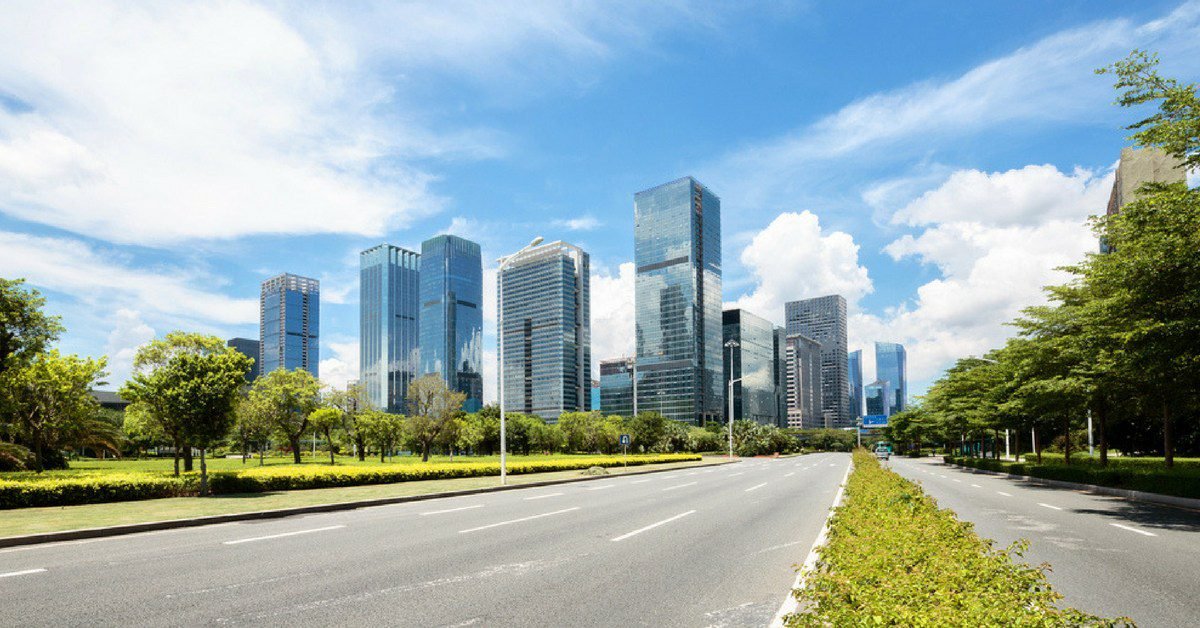
Gurgaon is not one real estate market—it is a network of micro-markets, each rewarding a different type of buyer.
What works for capital appreciation may not suit daily living. What feels perfect for end-use may already be fully priced from an investment perspective.
This is why smart buyers don’t search for the “best sector” blindly. They start by understanding the best sectors in Gurgaon for living and investment and then align their decision with their specific objective.
In 2026, Gurgaon rewards clarity—because infrastructure is now defining which locations outperform.
Understanding Buyer Intent: End-User vs Investor

Before comparing locations, it is important to understand the difference between end-user and investor priorities.
End-users focus on daily livability—commute, schools, water supply, and community stability. Investors focus on entry price, infrastructure triggers, and appreciation potential.
These priorities lead to completely different location choices within Gurgaon.
Location Comparison: Gurgaon’s Key Residential Corridors
Gurgaon’s residential landscape can be broadly divided into three categories:
- Established end-user zones
- High-growth investment corridors
- Hybrid markets offering both
Gurgaon Micro-Market Comparison (2026 Outlook)
| Micro-Market | Avg Price | Rental Yield | 3–5 Year Outlook | Risk |
|---|---|---|---|---|
| Golf Course Road | Premium | 3.2–3.8% | 8–12% steady | Low |
| Sector 65 (GCER) | Mid–High | 3–3.5% | 12–15% | Medium |
| Sector 113 (Dwarka Expressway) | Emerging Premium | 2.8–3.4% | 15–20% | Medium |
| Sector 82 (New Gurgaon) | Growth Stage | 2.5–3% | 12–18% | Medium |
| Sector 79 (South Gurgaon) | Early Growth | 2.5–3% | ~15% | Medium–High |
Established End-User Zones: Stability & Livability
Golf Course Road remains Gurgaon’s most mature and stable residential corridor. With metro connectivity, premium schools, and established retail, it offers unmatched livability.

Price appreciation here is steady rather than aggressive, making it ideal for long-term residence rather than speculative investment.
Golf Course Extension Road offers a slightly more balanced option. It combines modern infrastructure with relatively lower entry pricing, making it attractive for both end-users and investors.
For a deeper understanding of how mature and emerging zones compare, reviewing the New Gurgaon vs Old Gurgaon comparison provides useful context.
Investment Corridors: Infrastructure-Led Growth

Dwarka Expressway continues to dominate as Gurgaon’s primary growth corridor.
Driven by connectivity to Delhi and the airport, it has already seen strong appreciation and continues to attract investor interest. However, returns now depend more on sector selection than corridor-level entry.
New Gurgaon (Sectors 81–95) offers a pricing advantage. Its growth is driven by NH-48 connectivity and gradual infrastructure development, making it suitable for mid-term investors.
South Gurgaon, including Sohna, represents early-stage growth. Infrastructure projects are unlocking land value, making it attractive for long-term investors willing to wait for full development.

Hybrid Corridors: Balance Between Living and Investment
The SPR (Southern Peripheral Road) and surrounding sectors such as 79 and 80 represent hybrid markets.
These areas offer both livability improvements and investment potential. They are transitioning from early-stage growth to structured development.

For buyers who want flexibility—self-use today and appreciation tomorrow—these corridors offer a balanced option.
Infrastructure: The Real Decision Driver

Across all these corridors, one factor remains constant—infrastructure.
Expressways, metro expansion, and planned urban development are now determining which sectors outperform. Locations with visible infrastructure progress are attracting both end-users and investors.
This shift has made Gurgaon a corridor-driven market rather than a city-wide one.
Investment Strategy: Matching Location with Goal
Choosing the right location depends entirely on your objective.
If your focus is stability and rental income, established corridors like property in Central Gurgaon Golf Course Road and NH-48 are more suitable.
If your goal is capital appreciation, Dwarka Expressway and New Gurgaon offer better opportunities.
If you are looking for long-term growth at lower entry levels, South Gurgaon and Sohna provide early-stage potential.
For a complete strategic view, exploring the Gurgaon investment location guide helps align decisions with long-term goals.
Common Mistakes Buyers Should Avoid
Many buyers fail to define their objective before selecting a location. This leads to mismatched expectations—buying in investment-heavy areas for self-use or expecting high returns from already mature markets.
Another common mistake is ignoring micro-market differences. Even within the same sector, location-specific factors such as road access and commercial proximity can significantly impact returns.
Final Verdict: Where Should You Buy in Gurgaon in 2026?

There is no single “best” location in Gurgaon.
There is only the right location based on your:
- Time horizon
- Budget
- Risk appetite
- Lifestyle needs
End-users should prioritize infrastructure maturity and livability. Investors should focus on infrastructure triggers and entry timing.
For those ready to act, reviewing the top investment opportunities in Gurgaon 2026 can help translate insights into real decisions.
In 2026, Gurgaon rewards those who understand not just where to buy—but why.
Frequently Asked Questions
1. Which is the best area to buy property in Gurgaon in 2026?
There is no single “best” area—it depends on your goal. If you want a stable, ready-to-live location, areas like Golf Course Road are ideal. If you’re looking for future appreciation, corridors like Dwarka Expressway or New Gurgaon offer better growth potential.
2. How do I choose between living and investing in Gurgaon?
Start by defining your priority. If you’re buying for living, focus on infrastructure, schools, commute, and daily convenience. If you’re investing, look at entry price, upcoming infrastructure, and growth potential over the next 3–5 years.
3. Is Dwarka Expressway still a good investment option?
Yes, but it’s now a more mature market compared to earlier years. It still offers good growth potential, but returns depend on selecting the right sector and project rather than just entering the corridor.
4. Which areas in Gurgaon are best for long-term investment?
Emerging corridors like New Gurgaon (Sectors 81–95) and South Gurgaon (Sohna region) are considered strong for long-term investment due to lower entry prices and ongoing infrastructure development.
5. What is the difference between New Gurgaon and Old Gurgaon?
Old Gurgaon is more established, with better infrastructure and higher prices. New Gurgaon is still developing, offering more affordable entry points and higher growth potential, but with slightly higher risk.
6. Is Gurgaon good for rental income?
Yes, especially in areas close to commercial hubs like NH-48, Cyber City, and Golf Course Road. These locations have strong tenant demand, making them suitable for rental income-focused buyers.
7. How important is infrastructure when buying property in Gurgaon?
Infrastructure is one of the most important factors. Roads, metro connectivity, and commercial development directly impact property demand, price growth, and livability.
8. What is the ideal budget to buy property in Gurgaon?
It depends on the location. Entry-level options in emerging areas can start below ₹2.5 crore, while premium locations like Golf Course Road may require ₹5 crore or more.
9. Should I invest in emerging areas like Sohna?
Sohna is a good option for long-term investors who can wait for infrastructure development to fully mature. It offers lower entry prices and potential for higher appreciation over time.
10. What mistakes should I avoid when buying property in Gurgaon?
Avoid buying based on trends or hype. Many buyers make the mistake of not defining their goal, ignoring sector-level differences, or expecting high returns from already mature locations.

Join The Discussion