
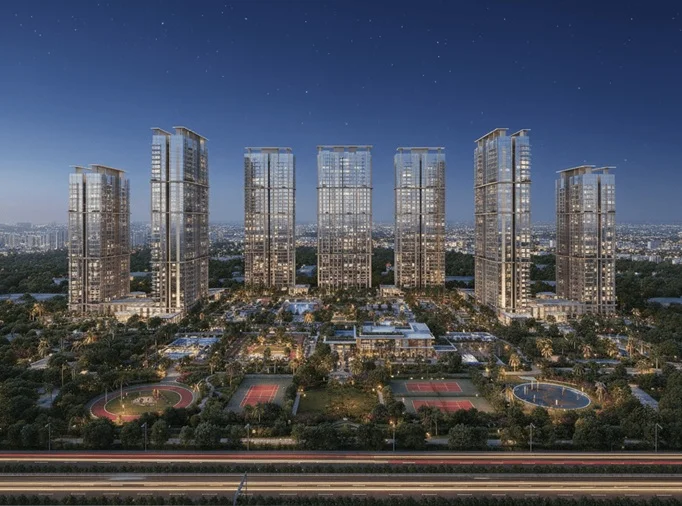
Luxury living in Gurgaon has traditionally been associated with expansive apartments, premium clubhouses, designer interiors, and prestigious addresses. While these features continue to define high-end residential projects, the expectations of homebuyers have changed considerably over the past few years. Today, luxury is increasingly measured by the quality of everyday living rather than the price of imported finishes or the height of a residential tower.
A growing number of buyers are looking for homes surrounded by greenery, open landscapes, and thoughtfully designed outdoor spaces. They want communities where morning walks feel refreshing, children can spend more time outdoors, and residents can enjoy peace despite living in one of India’s fastest-growing urban centres.
This shift is redefining the premium housing market in Gurgaon. Buyers researching the complete process of buying a home in Gurgaon naturally begin comparing lifestyle factors alongside price and location because long-term comfort has become just as important as investment potential.
Many of these premium developments are located within some of the most sought-after residential sectors in Gurgaon, where infrastructure, connectivity, and community planning continue to improve together.
Nature-led communities are no longer viewed as niche developments. They are becoming the preferred choice for buyers who value wellness, privacy, sustainability, and a better everyday lifestyle without compromising on connectivity.
Luxury Is No Longer Defined by Size Alone
A decade ago, luxury homebuyers often focused on larger carpet areas, imported marble flooring, premium fittings, and extravagant clubhouses. These features represented exclusivity and status, making them the primary selling points of premium residential projects.
Today’s buyers think differently.
Instead of asking only about apartment size, they are equally interested in knowing how much green space surrounds the development, how crowded the community will be, whether there are shaded walking paths, and if children can safely spend time outdoors.
| Traditional Luxury | Modern Luxury |
|---|---|
| Spacious apartments | Spacious surroundings |
| Imported interiors | Natural landscapes |
| Large clubhouses | Wellness amenities |
| Skyline views | Garden and forest views |
| High-density developments | Low-density communities |
The definition of luxury has gradually shifted from expensive materials to healthier living environments. Buyers are increasingly comparing high-growth residential locations across Gurgaon before making a decision because they understand that community planning plays a significant role in long-term quality of life.
Changing Lifestyles Are Driving Buyer Preferences
The demand for nature-led communities is closely linked to changing lifestyles. Hybrid work, flexible schedules, and longer hours spent at home have made the residential environment more important than ever before.
Instead of treating home as simply a place to sleep after work, people now spend a much larger portion of their day within their communities. Landscaped parks, outdoor seating areas, jogging tracks, cycling paths, and quiet gardens have therefore become meaningful extensions of everyday life.
Families with young children appreciate larger outdoor play areas that encourage physical activity rather than excessive screen time. Senior citizens value peaceful walking trails and shaded gardens that support healthier daily routines. Even young professionals increasingly recognize the mental benefits of returning home to a calmer, greener environment after demanding workdays.
This shift explains why buyers are no longer evaluating projects solely on apartment specifications. They are buying into an entire lifestyle.
Green Spaces Improve Everyday Quality of Life
One of the greatest advantages of nature-led communities is how they influence daily living.
Tree-lined pathways encourage morning walks. Landscaped gardens become places where neighbours interact naturally. Children spend more time outdoors instead of remaining indoors, while senior citizens enjoy safe and accessible walking routes.
Many premium developments also include meditation gardens, butterfly parks, cycling tracks, outdoor fitness stations, yoga lawns, and water features that make healthy habits part of everyday life instead of occasional activities.
Green landscapes also help create quieter surroundings, improve visual appeal, and contribute to better air circulation across the community. While no urban development can eliminate environmental challenges completely, thoughtful landscape planning creates a noticeably more pleasant residential experience.
Luxury today is not just about owning a beautiful apartment—it is about enjoying the environment beyond your front door.
Low-Density Planning Creates Greater Comfort
Another defining characteristic of nature-led communities is low-density planning.
Instead of fitting the maximum number of towers onto a parcel of land, these developments dedicate substantial space to landscaped gardens, open lawns, pedestrian pathways, recreational zones, and outdoor amenities.
The result is immediately noticeable.
Residents experience less crowding in parks, swimming pools, clubhouses, and fitness centres. Internal roads remain quieter, parking circulation improves, and common amenities feel more exclusive because they serve fewer households.
This planning philosophy also creates greater privacy while maintaining a stronger connection between architecture and nature.
For many buyers, this balance has become a defining feature of modern luxury.
Wellness Has Become Part of Modern Community Planning
Luxury housing today extends far beyond elegant architecture.
Developers increasingly recognise that buyers want communities designed to support healthier lifestyles rather than simply providing recreational facilities.
Many premium residential projects now feature yoga lawns, meditation gardens, reflexology pathways, outdoor gyms, sports courts, pet parks, herbal gardens, and dedicated wellness zones. Some communities even include nature trails and community farming spaces that encourage residents to spend more time outdoors.
Modern buyers increasingly prioritise wellness-focused amenities surrounded by green landscapes, considering them an essential part of premium living rather than optional additions.
These developments reflect a broader understanding that wellness influences not only physical health but also mental well-being, social interaction, and overall residential satisfaction.
Gurgaon Is Well Positioned for Nature-Focused Development
Despite its rapid urban expansion, Gurgaon continues to offer opportunities for thoughtfully planned residential communities that successfully combine modern infrastructure with abundant greenery.
Several emerging locations have incorporated integrated township concepts and larger landscaped areas into their master plans. Among them, the Dwarka Expressway corridor has become one of the city’s fastest-growing residential destinations, attracting buyers looking for premium developments with better planning and future infrastructure:
Southern Gurgaon and Golf Course Extension Road also continue to attract buyers seeking peaceful surroundings without compromising on connectivity.
One residential development that reflects this growing preference is Emaar Serenity Hills, which combines low-density planning, landscaped open spaces, and premium residences within an integrated community. Buyers comparing different apartment configurations can also explore the Emaar Serenity Hills floor plans to understand the available 3 BHK and 4 BHK layouts, space planning, and functional design before making a purchase decision
The project is being developed by Emaar India, a developer recognised for delivering thoughtfully planned premium residential communities across India.
Equally important is accessibility. Buyers increasingly evaluate projects based on how easily they connect to employment hubs, schools, healthcare facilities, and commercial centres. Communities offering excellent road connectivity and seamless daily commuting are naturally attracting greater attention from end-users.
Nature-Led Communities Can Support Long-Term Property Value
While lifestyle improvements are often the primary reason buyers choose nature-led developments, these communities also have the potential to perform well over the long term.
Large green spaces, lower-density planning, and thoughtfully designed master layouts are becoming increasingly difficult to replicate as Gurgaon continues to urbanise. As developable land becomes more limited, residential projects that dedicate a significant portion of their area to landscaping and open spaces naturally become more exclusive.
This is one of the reasons premium buyers are paying closer attention to projects that combine wellness with strategic locations. Communities offering a balanced lifestyle often maintain stronger demand among families, professionals, NRIs, and retirees who are looking for homes rather than just investment assets.
For buyers evaluating future appreciation, it’s equally important to study the project’s location, developer reputation, upcoming infrastructure, and long-term demand drivers. This detailed investment outlook for Emaar Serenity Hills explains how these factors influence long-term value.
Although no investment guarantees returns, developments that successfully combine lifestyle, connectivity, and sustainable planning often remain attractive across different market cycles.
How to Identify a Genuine Nature-Led Community
Not every residential project promoted as “green” genuinely delivers a nature-focused lifestyle. Attractive brochures and marketing visuals may highlight landscaped gardens, but buyers should look beyond promotional material before making a decision.
Start by reviewing the master plan. A truly nature-led development usually allocates a substantial percentage of land to open spaces instead of maximizing construction. Wide internal roads, interconnected walking paths, shaded seating areas, children’s parks, and preserved green zones are all indicators of thoughtful planning.
It’s also worth examining how the landscape integrates with daily life. Are gardens located throughout the community or concentrated only near the entrance? Are walking and cycling tracks practical enough for everyday use? Does the project provide natural ventilation between towers? These details reveal whether greenery is central to the design or simply an aesthetic feature.
Another useful step is visiting the project site and exploring the surrounding neighbourhood. Existing tree cover, future infrastructure plans, nearby developments, and environmental conditions can provide a more realistic picture than brochures alone.
Ultimately, buyers should evaluate whether the community creates an environment that supports healthier living over many years rather than focusing only on initial visual appeal.
Is Paying More for a Nature-Led Community Worth It?
Every home purchase involves balancing budget, lifestyle, and long-term priorities. Nature-led communities often command a premium compared to conventional developments because they dedicate more land to open spaces, invest in better landscaping, and maintain lower residential density.
For many buyers, however, the additional cost represents an investment in everyday quality of life rather than simply paying for extra amenities.
Imagine beginning each morning with tree-lined walking paths instead of traffic noise, having children play safely within landscaped parks, or spending evenings in peaceful gardens rather than searching for open spaces outside the community. These experiences become part of daily life and often influence homeowner satisfaction far more than premium interior finishes alone.
The value also extends beyond recreation. Better planning, improved privacy, healthier surroundings, and stronger community interaction contribute to a living experience that many buyers now consider essential.
While every purchase decision should be based on individual financial goals, the growing popularity of nature-led communities suggests that today’s buyers increasingly value well-being alongside traditional measures of luxury.
Final Thoughts
Luxury housing in Gurgaon is entering a new phase. Buyers are no longer impressed by impressive facades alone—they are looking for communities that improve everyday life.
Green landscapes, thoughtfully planned open spaces, lower-density layouts, wellness amenities, and peaceful surroundings are becoming defining characteristics of premium residential living. These qualities not only enhance daily comfort but also create neighbourhoods where families, professionals, children, and senior citizens can thrive together.
The shift toward nature-led communities reflects a broader change in how people define success. A luxury home is no longer judged only by its interiors or address; it is equally measured by the environment it creates for the people living there.
Projects that successfully combine greenery with modern infrastructure, strong connectivity, and sustainable planning are likely to remain among the most desirable residential choices in Gurgaon for years to come.
Before making a final decision, buyers should also evaluate the neighbourhood’s overall ecosystem. Easy access to reputed schools, hospitals, shopping destinations, and daily conveniences contributes significantly to long-term liveability. Here’s a useful guide covering the schools, hospitals, malls, and everyday infrastructure near Emaar Serenity Hills.
In the coming years, the most valuable homes in Gurgaon may not simply be the tallest towers or the largest apartments. They will be the communities that successfully balance urban convenience with nature, wellness, and a higher quality of everyday living.
Frequently Asked Questions (FAQs)
1. What is a nature-led residential community?
A nature-led residential community is a housing development designed around green spaces, landscaped gardens, tree-lined avenues, walking trails, and wellness-focused amenities. Instead of maximizing built-up areas, these communities prioritize open spaces, sustainable planning, and a healthier living environment for residents.
2. Why are nature-led communities becoming popular in Gurgaon?
Homebuyers in Gurgaon are increasingly prioritizing wellness, cleaner surroundings, and better quality of life. With rising urban density, hybrid work culture, and increasing awareness of healthy living, communities that offer greenery, lower congestion, and peaceful surroundings have become highly desirable for both end-users and long-term investors.
3. Are nature-led communities a good investment?
Nature-led communities can offer strong long-term value because projects with abundant green spaces and low-density planning are relatively limited. Their appeal among families, professionals, and premium buyers often supports healthy resale potential and consistent rental demand. However, buyers should also evaluate location, developer credibility, and future infrastructure before investing.
4. What is a low-density residential project?
A low-density residential project accommodates fewer homes across a larger land parcel, leaving more space for landscaped gardens, parks, walking trails, recreational amenities, and wider internal roads. This planning approach improves privacy, reduces congestion, and enhances the overall residential experience.
5. Which areas in Gurgaon have more nature-focused residential developments?
Several locations are emerging as preferred destinations for nature-led communities, including Golf Course Extension Road, Southern Gurgaon, sectors near the Aravalli foothills, New Gurgaon, and selected sectors along Dwarka Expressway where integrated township planning allows for larger green spaces.

Join The Discussion