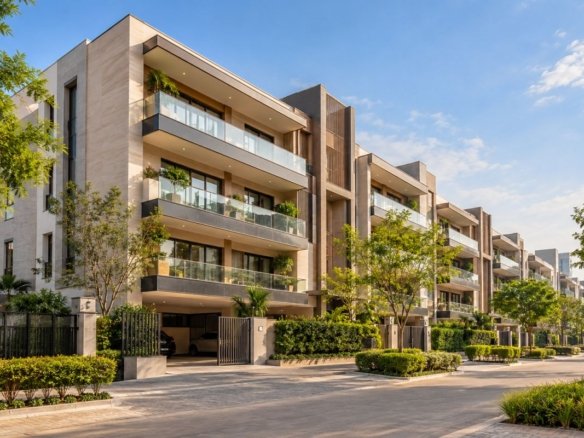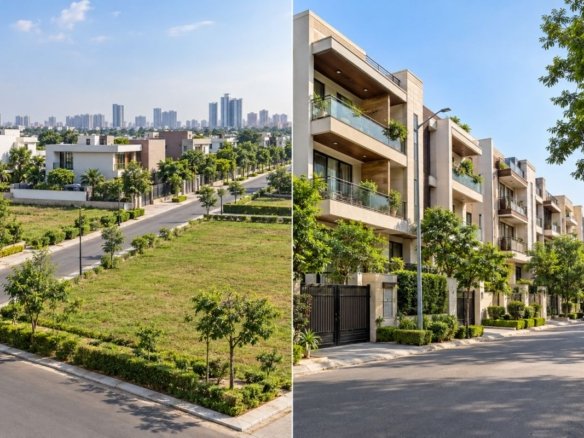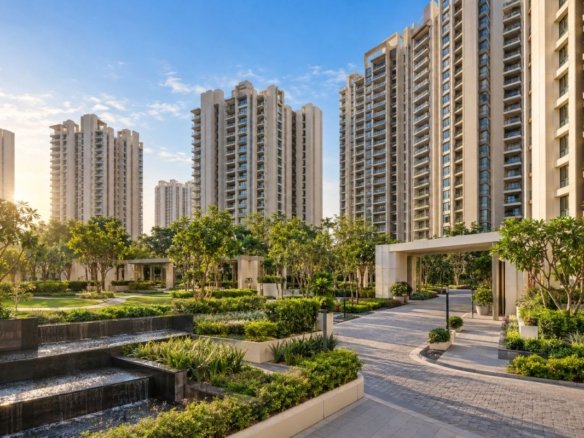
Luxury homes are no longer defined only by premium locations or expensive finishes. Today, luxury home interior design plays an equally important role in creating a residence that delivers comfort, functionality, and lasting value. Across Gurugram’s prime residential corridors—including Golf Course Road, Golf Course Extension Road, Dwarka Expressway, Southern Peripheral Road (SPR), and New Gurgaon—buyers increasingly expect interiors that combine timeless aesthetics with modern lifestyles.
The definition of luxury has also evolved. Instead of focusing solely on imported materials or decorative elements, homeowners now prioritise wellness, sustainability, smart technology, and personalised living spaces. As hybrid work, eco-conscious living, and home automation become standard, interiors must adapt while maintaining elegance and practicality.
Whether you’re designing a new apartment or renovating an existing one, understanding the latest interior design trends 2026 helps you make design choices that remain relevant for years. This guide explores the biggest developments shaping luxury interiors India while highlighting what works particularly well for premium homes in Gurugram.
Why Interior Design Matters More Than Ever in Luxury Real Estate
Interior design has become a key factor in luxury real estate because it directly influences daily comfort, resale value, and buyer perception. Today’s premium buyers evaluate interior quality alongside the location, builder reputation, floor plans, and amenities. Well-designed homes not only look sophisticated but also function more efficiently through better layouts, lighting, storage, and durable materials.
Professional interior planning offers several long-term benefits:
- Improved functionality without compromising aesthetics
- Better perceived property value
- Healthier and more comfortable living spaces
- Greater support for hybrid work lifestyles
- Personalised layouts
- Future-ready infrastructure for smart technologies
Luxury Home Interior Design Trends Defining 2026
Quiet Luxury Takes Centre Stage
Among the biggest interior design trends 2026 is the growing popularity of quiet luxury. Rather than creating visually extravagant interiors, homeowners are choosing refined spaces where craftsmanship, premium materials, and thoughtful detailing speak for themselves.
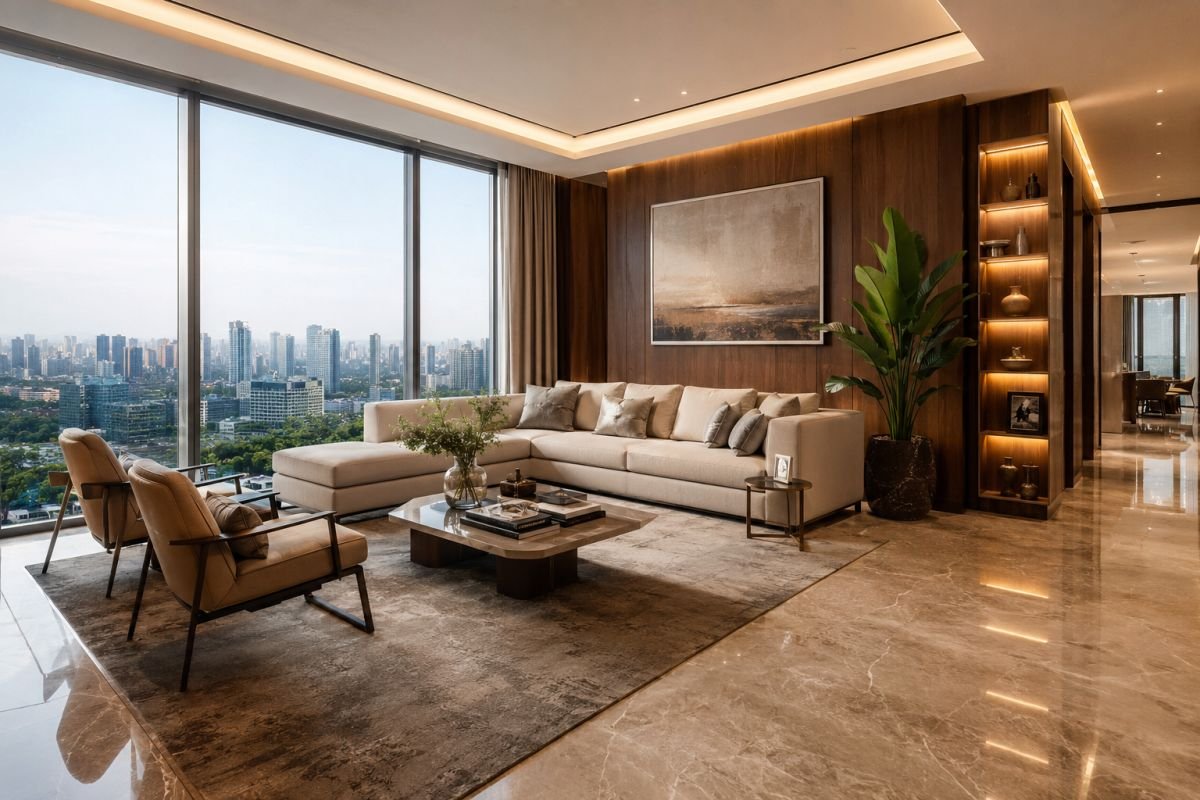
Natural stone, warm wood veneers, textured fabrics, bespoke furniture, and soft neutral palettes work together to create elegant interiors without unnecessary decoration. This restrained approach not only feels sophisticated but also ages gracefully, making it an ideal choice for luxury apartments in Gurugram where long-term value is an important consideration.
Nature-Inspired Living Spaces
Biophilic design continues to shape luxury interiors India by strengthening the connection between indoor and outdoor spaces. Designers increasingly maximise natural light, introduce indoor greenery, and use materials such as wood, natural stone, and linen to create healthier and more relaxing environments.

Large balconies, landscaped terraces, and floor-to-ceiling glazing are becoming defining features of premium residences, particularly those overlooking parks or golf courses. These design elements improve visual openness while making homes feel brighter and more inviting throughout the year.
Smart Homes Become Truly Intelligent
Technology has become an essential component of luxury home interior design, but today’s focus is on seamless integration rather than visible gadgets. Modern luxury homes connect lighting, climate control, security, entertainment, and energy management into a single intelligent ecosystem that simplifies daily living.
Popular smart home features include:
- AI-powered climate control
- Voice-controlled lighting
- Smart security systems
- Automated curtains
- Energy monitoring
- Intelligent kitchen appliances
- Indoor air-quality monitoring

The objective is to make technology almost invisible, allowing homeowners to enjoy greater convenience without compromising clean, minimalist interiors.
Wellness-Focused Interiors
Luxury living increasingly revolves around wellbeing. Modern homes are designed to improve physical comfort, mental relaxation, and indoor environmental quality rather than simply showcasing premium finishes.
Designers now incorporate natural daylight, better ventilation, calming colour palettes, and healthier materials throughout the home. Dedicated wellness spaces are becoming increasingly common, while spa-inspired bathrooms and quiet reading corners contribute to a more balanced lifestyle.
Popular wellness additions include:
- Home fitness studios
- Meditation and yoga spaces
- Reading corners
- Spa-inspired bathrooms
- Advanced air purification systems
These features have become especially valuable for professionals balancing demanding careers with hybrid work schedules.
Sustainable Luxury Is Becoming the New Standard
Sustainability is no longer viewed as a compromise in luxury design. Instead, it has become a defining feature of premium residences as homeowners seek materials that combine durability, environmental responsibility, and timeless appeal.
Designers increasingly recommend responsibly sourced timber, recycled natural stone, energy-efficient lighting, and locally sourced materials that reduce environmental impact while improving long-term performance.
Common sustainable choices include:
- FSC-certified timber
- Recycled natural stone
- Energy-efficient LED lighting
- Water-saving sanitary fixtures
- Organic fabrics
- Locally sourced materials
Premium Materials Trending in 2026
Material selection remains one of the most important aspects of luxury home interior design. Instead of combining numerous expensive finishes, designers increasingly recommend using a smaller palette of carefully selected materials that offer consistency, durability, and timeless elegance.

Natural stone, wood, metal, and porcelain continue to dominate because they deliver both visual sophistication and long-term performance.
| Material | Why It’s Popular | Best Application | Maintenance |
|---|---|---|---|
| Natural marble | Timeless elegance | Flooring, feature walls | Medium |
| Engineered stone | Durable and consistent | Kitchens | Low |
| Oak and walnut veneer | Warm aesthetics | Cabinets, walls | Medium |
| Textured limestone | Organic appearance | Accent walls | Medium |
| Large-format porcelain | Minimal joints | Floors and bathrooms | Low |
| Bronze and brushed brass | Sophisticated finishes | Fixtures and hardware | Low |
Rather than following every design trend, homeowners benefit from investing in materials that remain elegant over time and complement evolving décor choices.
Personalisation Over Standardisation
Luxury homes increasingly reflect the personalities and lifestyles of their owners rather than following standard design templates. While developers provide premium specifications, many buyers customise their interiors after possession to create spaces that suit their daily routines and long-term needs.
Instead of filling rooms with decorative pieces, homeowners are focusing on purposeful design. Families may prioritise larger entertainment areas, while professionals often dedicate space for a home office. Similarly, collectors and art enthusiasts prefer customised display walls, and avid readers may create private libraries or reading corners.
Popular personalised features include:
- Walk-in wardrobes
- Home libraries
- Wine display units
- Art feature walls
- Entertainment rooms
- Custom lighting scenes
Thoughtful personalisation ensures that luxury interiors remain practical while reflecting individual lifestyles.
Kitchen Design Evolves into Social Living
Modern luxury kitchens have become central gathering spaces rather than isolated cooking areas. Open layouts encourage interaction between cooking, dining, and entertaining, making the kitchen an extension of the living room.
Designers now favour concealed appliances, clean cabinetry, premium stone countertops, and spacious islands that serve multiple purposes. Intelligent storage and durable materials improve functionality while maintaining an elegant appearance.
Instead of following temporary trends, homeowners are investing in timeless kitchen designs that remain stylish and efficient for years.
Bathrooms Become Private Wellness Retreats
Bathrooms are increasingly designed to deliver a spa-like experience. Natural stone, warm lighting, premium fittings, and spacious walk-in showers create relaxing spaces that support everyday wellbeing.

Features such as floating vanities, concealed storage, brushed brass fixtures, and freestanding bathtubs continue to gain popularity. Designers also emphasise ventilation and moisture-resistant materials to improve durability and reduce maintenance over time.
Home Offices Continue to Evolve
Hybrid work has permanently influenced luxury home planning. Dedicated workspaces are now considered essential, especially for professionals and business owners who regularly work from home.
Modern home offices combine ergonomic furniture, integrated storage, acoustic privacy, and abundant natural light to create productive yet visually appealing environments. Rather than occupying temporary corners, these spaces are carefully planned as permanent features within the overall layout.
Colour Trends for Luxury Interiors in 2026
Warm, earthy colour palettes continue to replace bright white interiors. Shades such as beige, taupe, olive green, clay, walnut brown, charcoal grey, and terracotta create welcoming spaces while allowing premium materials to stand out naturally.
Instead of introducing bold colours through permanent finishes, designers recommend using artwork, rugs, cushions, and decorative accessories. This approach provides flexibility to refresh interiors over time without major renovations while complementing the quiet luxury aesthetic.
Lighting Becomes Architectural
Lighting has become one of the defining features of modern luxury home interior design. Rather than relying on a single decorative fixture, designers create layered lighting schemes that combine ambient, task, accent, and decorative lighting to improve both functionality and atmosphere.
Concealed LED profiles, indirect ceiling lighting, and architectural wall lighting highlight textures and create depth without overwhelming the space. Well-planned lighting also enhances the appearance of premium materials and contributes significantly to everyday comfort.
Designing for Long-Term Value
While trends change, timeless design decisions consistently offer the best long-term value. Homeowners should prioritise investments that improve durability, functionality, and resale appeal instead of following every new trend.
Focus your budget on:
- Quality flooring
- Premium wardrobes
- Durable kitchens
- Smart electrical infrastructure
- Efficient storage
- Professional lighting
Avoid excessive investment in:
- Extremely bold colour schemes
- Highly customised layouts
- Trend-driven decorative finishes
- Difficult-to-maintain materials
- Oversized decorative elements
A balanced combination of timeless materials and modern functionality usually delivers the strongest long-term return.
Interior Planning Tips Before Taking Possession
Planning interiors before possession helps homeowners coordinate layouts, lighting, electrical points, furniture dimensions, and smart home systems more efficiently. Early planning also reduces costly changes after handover and shortens project timelines.
Before beginning interior work, review:
- Builder electrical layouts
- Structural limitations
- Furniture dimensions
- Smart home infrastructure
- Lighting plans
- Custom joinery requirements
- Building management guidelines
How Luxury Interiors Complement Gurugram’s Premium Corridors
Each luxury micro-market in Gurugram attracts different buyer preferences, making interior planning an important part of the purchasing decision.
When researching __Southern Peripheral Road property guide__ or __best sectors in Gurgaon__, buyers should evaluate interior specifications alongside connectivity, pricing, and developer reputation. Factors such as ceiling height, natural light, ventilation, and layout flexibility significantly influence long-term satisfaction.
Final Thoughts
The future of luxury home interior design is centred on thoughtful living rather than unnecessary extravagance. The leading interior design trends 2026 combine timeless aesthetics with sustainability, intelligent technology, wellness, and personalised functionality to create homes that remain comfortable and relevant for years.

For luxury homeowners in Gurugram, quality interiors enhance not only everyday living but also long-term property value. Whether purchasing a residence along Dwarka Expressway, Golf Course Road, Golf Course Extension Road, SPR, or New Gurgaon, investing in timeless design choices can improve both lifestyle and resale potential.
If you’re exploring premium residential projects across Gurugram, browse the relevant location and project pages on AssuredGains or connect with our advisory team for data-driven guidance tailored to your property goals.
Frequently Asked Questions
Q1. What are the biggest interior design trends 2026 for luxury homes?
The biggest interior design trends 2026 include quiet luxury, biophilic design, smart home technology, sustainable materials, wellness-focused spaces, and personalised interiors that combine functionality with timeless aesthetics.
Q2. How is luxury home interior design changing in India?
Luxury home interior design in India is shifting towards sustainable materials, intelligent home automation, healthier indoor environments, and customised layouts that reflect modern lifestyles instead of purely decorative interiors.
Q3. Which materials are popular in luxury interiors India?
Natural marble, engineered stone, walnut veneers, textured limestone, brushed brass, porcelain tiles, and responsibly sourced timber remain among the most popular materials in luxury interiors India due to their durability and timeless appeal.
Q4. Does premium interior design increase property value?
A professionally designed interior can improve functionality, buyer perception, and overall appeal. While location and market conditions remain important, timeless interiors often strengthen long-term resale potential.
Q5. Should I plan interiors before taking possession?
Yes. Planning before possession helps coordinate electrical layouts, lighting, furniture placement, storage, and smart home systems more efficiently, reducing costly modifications after handover.