
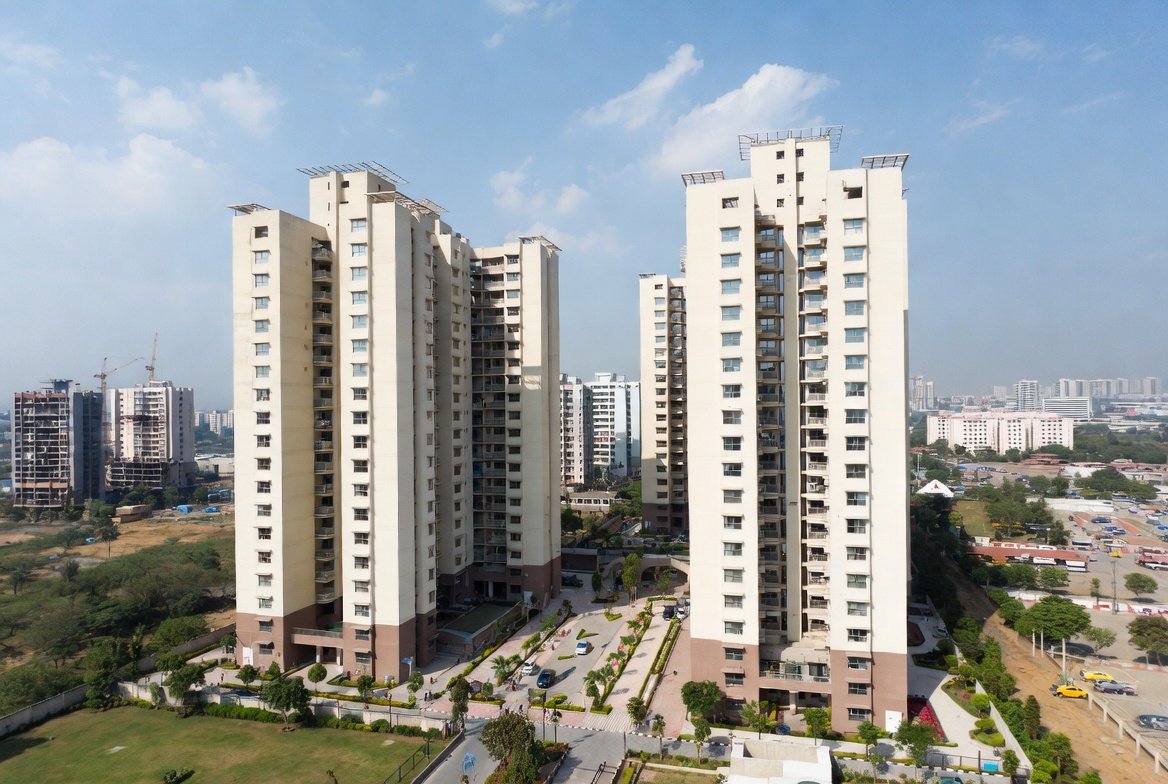
Gurgaon has changed rapidly over the last few years. What was once largely a work-driven city has now become a place where families are trying to settle down for the long term. And the moment you begin searching for a home as a parent, your priorities start shifting in ways that aren’t always obvious at first.
It’s no longer just about how premium a project looks or how well-known the builder is. You begin to notice smaller, everyday things—how children move within the society, whether play areas are actually being used, and how comfortable daily life feels beyond the sample flat.
Because eventually, the decision comes down to something very simple: will this home make your child’s daily life easier, or will it quietly restrict it over time?
If you’re still in the early stages of evaluating options, it helps to first understand the broader process of
buying flat in Gurgaon so you can approach this decision with more clarity.
Why This Matters More Than Most Buyers Assume
Childhood today is already more indoor than it should be. Academic pressure has increased, screen time has become unavoidable, and outdoor play doesn’t happen as naturally as it once did. In Gurgaon, these challenges are amplified further by traffic, inconsistent air quality, and the realities of high-rise living.
We’ve seen families move into projects that felt perfect during site visits, only to realise after a few months that something feels off. Children don’t go down to play as often as expected, common areas remain underutilised, and parents find themselves being more cautious than they anticipated.
It’s rarely a dramatic issue. But over six to eight months, many buyers begin to feel that the space doesn’t support the lifestyle they had imagined.
Checkout: Ashiana Aaroham at Sector 80 Gurgaon, If you are looking for a kid centric home in gurgaon.
Location — Think Beyond Distance

Location is always a priority, but it’s often evaluated too simplistically. “Close to school” may sound ideal on paper, but that short distance can easily turn into a 30–40 minute commute during peak hours.
Areas like Sectors 57, 65, 67, 70A, and parts of New Gurgaon generally offer better road planning and more livable layouts. However, even within the same sector, two different projects can feel completely different in terms of access and convenience.
That’s why it’s important to check routes during actual usage hours rather than relying only on maps. Daily travel conditions give a much more realistic picture. Access to a reliable hospital nearby is another factor that becomes far more important once you start living there.
Parents who are also evaluating the long-term value of their purchase should pay attention to how different micro-markets are evolving. Understanding Gurgaon’s emerging residential corridors and growth hotspots can help balance lifestyle needs with future appreciation potential.
If you’re unsure where to begin, this guide on
best sectors in Gurgaon can help you identify more family-friendly zones. Also, while exploring different
Flats in Gurgaon you’ll notice that location alone doesn’t define livability—internal planning plays an equally important role.
Security — Where Design Matters More Than Systems

Most modern projects offer standard security features such as CCTV surveillance, gated entry, and security personnel. While these are essential, they don’t necessarily define how safe a space feels in everyday life.
What makes a real difference is the design of the project itself. The placement of play areas, the way vehicles move through the society, and whether there are blind spots all contribute to how freely children can move around.
In well-planned societies, children are able to move independently without constant supervision. In others, even basic movement requires parents to stay alert. Over time, this difference becomes quite noticeable.
Play Areas — Where Expectation and Reality Differ

Play areas are often highlighted as a key feature, but this is also where expectations and reality tend to diverge. Most projects include standard equipment like swings and slides, which look appealing during visits but don’t hold children’s attention for long.
Spaces that work better are usually less structured and more flexible. Areas where children can run freely, interact naturally, and engage in different types of play tend to get used far more frequently.
Air, Open Space, and Long-Term Comfort

This is one of those aspects that doesn’t stand out immediately but becomes increasingly important after moving in. Gurgaon’s air quality can be unpredictable, and while no project can completely solve that, layout and spacing still influence how the environment feels.
In certain developments, particularly around Golf Course Extension Road, better spacing between towers allows for improved airflow and natural light. In contrast, denser layouts often feel more congested.
Even floor level can impact overall comfort. Understanding floor height premium in high-rise projects can help you evaluate this better.
Community — The Invisible Factor

Community is rarely discussed during the buying process, yet it plays a significant role in daily life. In societies where families are actively living, the environment feels more vibrant and engaging for children.
In contrast, investor-heavy projects often feel quieter and less interactive, even if they look premium on the surface.
Indoor Spaces — More Relevant Than They Seem

Given Gurgaon’s weather conditions, outdoor play isn’t always feasible. This makes indoor spaces more valuable than many buyers initially assume.
Projects with strong ecosystems—like those covered in
best residential projects with clubhouse amenities tend to support better daily engagement. Smart-enabled homes are also becoming more common. This guide on smart homes in Gurgaon buyers premium explains whether they are worth considering.
Apartment Layout — What You Notice After Moving In
Sample apartments are designed to impress, but actual living reveals a different reality. Over time, aspects such as storage, usable space, and noise levels become far more important. Unit position also matters. This comparison of corner vs mid unit apartments resale explains long-term differences. Many families also compare formats. This guide on luxury floors vs luxury apartments helps you understand what works better for children.
Thinking Beyond the Present
It’s easy to choose a home based on current needs, but those needs evolve quickly. As children grow, open spaces and social areas become more important.
If you’re comparing options, browsing New Projects in Gurgaon can help you evaluate layouts and planning more effectively.
Families looking for newly planned communities may also want to explore the latest developments along one of the city’s fastest-growing residential belts, where several modern projects are being designed with larger open spaces and family-focused amenities.
Child-Friendly vs Typical Projects
| Factor | Child-Friendly Project | Typical Project |
|---|---|---|
| Internal Movement | Safe, low-speed, pedestrian-friendly | Mixed traffic, less controlled |
| Play Areas | Functional, engaging, age-segmented | Basic, decorative setups |
| Open Spaces | Usable, interactive, spacious | Limited or fragmented |
| Community | Active, family-driven | Investor-heavy, less interaction |
| Safety Approach | Design-driven safety | System-based (CCTV only) |
| Indoor Spaces | Multi-use (study, activity, play) | Limited to clubhouse |
Who Should Consider This Carefully
This is ideal for families planning long-term living and prioritizing lifestyle over pure luxury. However, short-term investors or buyers without children may not benefit as much from these factors.
Final Thought
There’s no perfect checklist.
But some homes simply feel easier to live in. And over time, those small differences matter far more than anything that stood out during your first visit.
Frequently Asked Questions
What makes a residential project genuinely child-friendly?
It’s usually a mix of small things working well together—safe internal movement, usable open areas, and a community where children actually step out and interact. Amenities alone don’t define it.
Which areas in Gurgaon are more suitable for families?
Sectors like 57, 65, 67, and 70A, along with parts of New Gurgaon, are often preferred because they’re relatively better planned. That said, project-level design still makes a big difference.
Are high-rise apartments safe for children?
They can be, if designed properly. Balcony safety, controlled access, and how shared spaces are planned matter more than height itself.
Do green spaces really make a difference?
Over time, yes. They affect how often children go outside, how active they are, and even how the environment feels on a daily basis.
Is it better to choose a bigger apartment or a better society?
In most cases, a well-planned society makes everyday living smoother, even if the apartment is slightly smaller.



Join The Discussion