
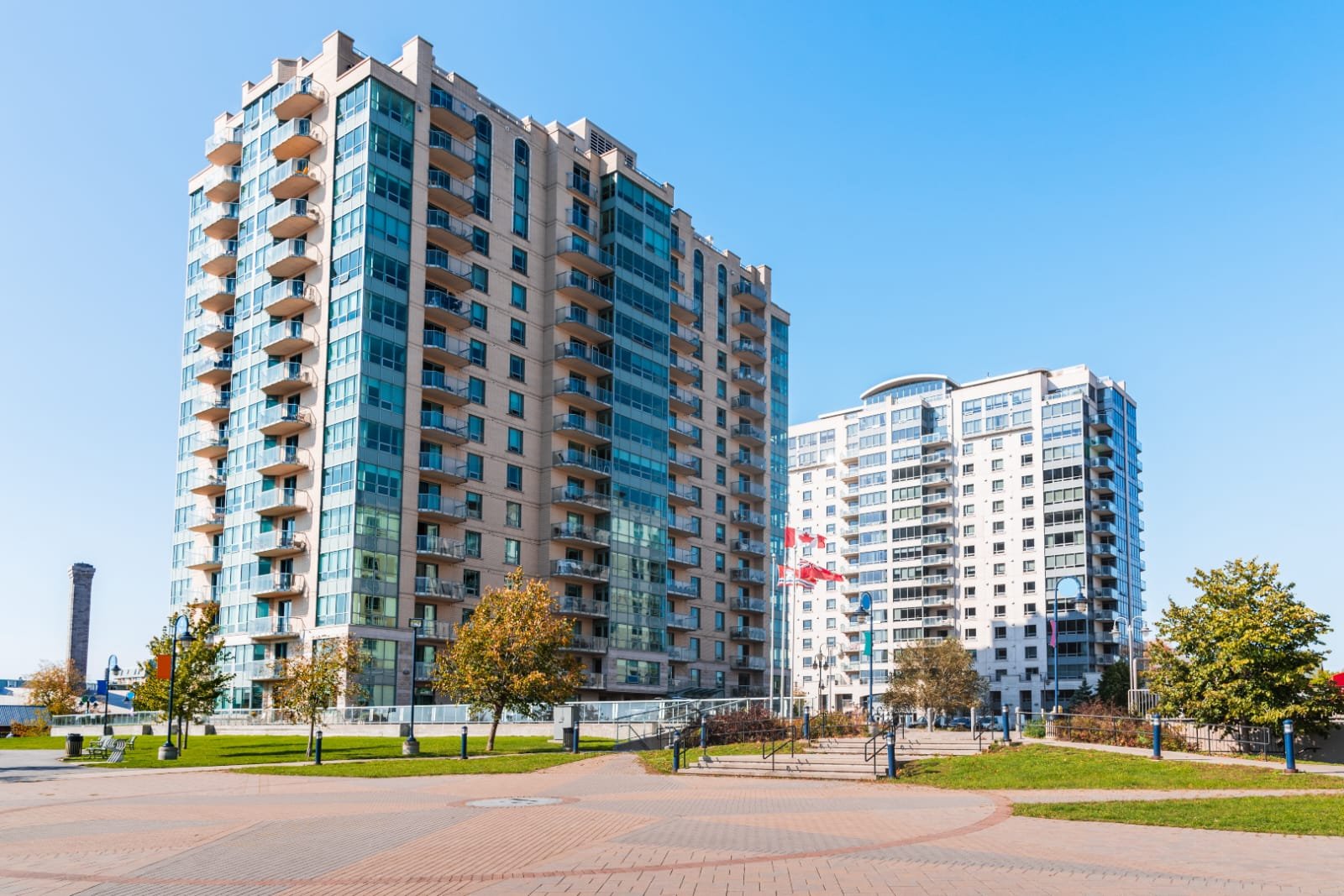
When most people begin their home-buying journey, the focus naturally gravitates toward familiar priorities—location, price, and builder credibility. These are undeniably important filters.
However, the moment a property enters the resale market—especially in a competitive and layered micro-market like Gurgaon—the decision framework begins to shift in subtle but meaningful ways.
Buyers no longer respond only to what is visible on paper; they start reacting to how a home feels in reality. This is exactly why deeper frameworks like this detailed guide on buying flat in Gurgaon become important, as they highlight how micro-level decisions can influence long-term resale outcomes.
One such factor, which consistently shapes resale speed and buyer preference, is the exact positioning of the apartment within the building—specifically, whether it is a corner unit or a mid-unit.
What Is the Real Difference Between Corner and Mid-Unit Apartments?
At a surface level, the distinction appears simple. A corner apartment is typically located at the edge of a floor and benefits from two open sides, while a mid-unit sits between two neighboring flats, usually sharing walls on both sides.
On paper, this difference seems purely architectural and relatively minor. However, the moment a buyer steps into the space, its impact becomes far more tangible. Elements such as natural light, cross ventilation, privacy, and spatial openness are not always consciously evaluated, yet they are instantly experienced.
This becomes even more relevant when you compare broader housing formats like luxury floors vs luxury apartments, where openness and layout perception significantly influence buyer choice.
These subtle environmental cues shape how a buyer perceives the home, how long they stay during a visit, and how easily they begin to imagine living there.
What Actually Happens During Real Site Visits
In real-world property visits, buyers rarely walk in with a predefined preference for a corner or mid-unit apartment. Instead, they explore multiple units within the same project or locality, comparing layouts without overanalyzing each detail.
Over time, a pattern begins to emerge. Certain homes naturally slow them down. Buyers spend more time observing, moving through the space more attentively, and engaging more deeply without necessarily understanding why. In many cases, these homes turn out to be corner apartments.
The presence of better daylight, improved airflow, and a reduced sense of enclosure creates a more comfortable and inviting environment. This experience is not dramatic, but it is impactful enough to influence decision-making.
Factors like floor height premium in high-rise projects often amplify this perception further, making corner units feel even more open and premium.

Why Corner Apartments Tend to Resell Faster
Across multiple Gurgaon projects—ranging from established societies to premium new developments—a consistent behavioral trend is visible. Corner apartments tend to get shortlisted earlier in the decision cycle.
This advantage is not necessarily because they are objectively superior in every measurable aspect, but because they are easier for buyers to commit to. The openness they offer reduces mental friction. Buyers spend less time questioning their choice and more time aligning emotionally with the space.
This subtle shift accelerates decision-making. Even buyer belief systems—such as preference for vastu compliant homes in Gurgaon can further strengthen this inclination, making certain layouts feel more “correct” instinctively.
In resale scenarios, where hesitation often delays transactions, this reduced resistance plays a critical role in faster closures.
Mid-Units: Strong, But More Dependent on Market Conditions

Mid-unit apartments are not a weak or inferior choice. In fact, in strong micro-locations—particularly those close to offices, metro connectivity, or established social infrastructure—they can perform consistently well. For buyers evaluating which neighborhoods offer the strongest long-term demand and appreciation potential, understanding the key investment corridors through this Gurgaon location investment guide can provide valuable perspective.”
In many of the best sectors in Gurgaon, location strength alone can drive steady demand regardless of layout differences. However, the key distinction lies in how these units behave during resale. Mid-units tend to depend more on external variables such as pricing competitiveness, seller urgency, and availability of similar options within the same building.
In projects where multiple mid-units are listed simultaneously, which is quite common, buyers naturally compare more options. This leads to longer evaluation cycles, deeper negotiations, and slower decision-making.
Pricing Dynamics: Where the Real Gap Becomes Visible

Corner apartments typically command a 5–10% premium at the time of launch, a factor most buyers are already aware of. This pricing trend is particularly noticeable in recently launched projects on Dwarka Expressway, where premium layouts often attract stronger buyer interest from the outset.”However, the more interesting shift happens during resale. When markets tighten and buyers become more selective, price alone is no longer enough to drive decisions.
Buyers begin looking for justification—something that makes a property feel worth choosing beyond just its cost. When you start evaluating actual Flats in Gurgaon, this difference becomes immediately visible during site comparisons.
Corner units, due to their layout advantages, often provide that justification more naturally. Mid-units, on the other hand, frequently compete within a cluster of similar listings, where price becomes the primary differentiator. This is where negotiations intensify and timelines extend.
Buyers do not just compare numbers—they compare how a home feels relative to its price.
Rental Behavior and Its Hidden Impact on Resale
Another layer that quietly influences resale performance is the rental profile of the property over time. Corner apartments tend to attract families and long-term tenants who prioritize comfort, light, and overall living quality.
This often aligns with demand patterns seen in child-friendly residential projects in Gurgaon, where layout and livability matter more than just pricing. This typically results in better maintenance, lower vacancy cycles, and a more stable usage pattern.
When such a property enters the resale market, it carries a perception of reliability and care. Mid-units can also perform well in the rental market, particularly among younger or more price-sensitive tenants, but they tend to have higher turnover and more variability.
Where Corner Apartments Can Fall Short
Despite their advantages, corner apartments are not without limitations. In certain cases—particularly in older constructions or poorly designed layouts—issues such as excessive heat from direct sunlight, strong wind exposure on higher floors, or slightly higher external maintenance requirements can arise.
However, in modern developments—especially New Projects on Dwarka Expressway advancements in construction quality, insulation, and design have significantly reduced these drawbacks.
In such projects, layout advantages tend to translate more consistently into real buyer preference and resale performance.
Corner vs Mid-Unit Apartments: Comparison Overview
| Factor | Corner Apartment | Mid-Unit Apartment |
|---|---|---|
| Light & Ventilation | Better (2 open sides) | Moderate |
| Privacy | Higher | Lower |
| Resale Speed | Faster (less resistance) | Slower (more comparison) |
| Pricing Power | Stronger | Negotiation heavy |
| Buyer Preference | High emotional appeal | Logic-driven |
| Rental Profile | Families, long-term tenants | Mixed, price-sensitive |
Who Should Choose a Corner Apartment?
A corner apartment is best suited for buyers who are thinking beyond immediate purchase and focusing on long-term ease of resale and overall living experience.
If your priority is to reduce negotiation pressure in the future and attract stronger buyer interest with minimal resistance, the advantages of a corner layout naturally support that outcome. These units tend to align well with end-users, families, and investors who value stability, comfort, and consistent demand.
Who Should Consider a Mid-Unit Instead?
Mid-unit apartments make more sense when the decision is driven by entry price and location strength. In high-demand sectors with strong connectivity and infrastructure, a well-priced mid-unit can still deliver solid performance, especially if purchased at the right stage of the market cycle.
They are also a practical choice for investors who are comfortable relying on pricing strategy and market timing to drive resale success.
Final Thought: What Actually Drives Faster Resale
In the resale market, the question rarely remains limited to whether a property is objectively good or bad. Instead, it evolves into something far more nuanced—how quickly a buyer feels confident enough to say yes. Corner apartments tend to shorten that journey by offering a more immediate sense of comfort, openness, and clarity.
Mid-units, while equally valid in many contexts, often require stronger logical justification to reach the same point. In the end, real estate decisions are rarely driven by logic alone. Buyers choose homes that feel right, and that subtle emotional alignment is often what determines how fast a property moves.

Frequently Asked Questions (FAQs)
Do corner apartments really have better resale value?
In many situations, yes. They attract stronger interest due to better light, airflow, and privacy. That often helps them sell faster, sometimes at better prices.
Are corner flats always more expensive?
They are usually priced slightly higher at launch. During resale, that difference often balances out because demand tends to remain stronger.
Can a mid-unit apartment still be a good investment?
Definitely. In strong locations—especially near offices or metro connectivity—mid-units can perform well. Entry price and timing just matter more.
Do tenants prefer corner apartments?
Many do, particularly families and professionals who value a quieter and brighter living space.
Should I always choose a corner flat?
Not always. If a corner unit has design drawbacks—like excessive heat or layout inefficiencies—a good mid-unit can be the better choice. In well-designed projects, corner units are generally the safer long-term option.




Join The Discussion