
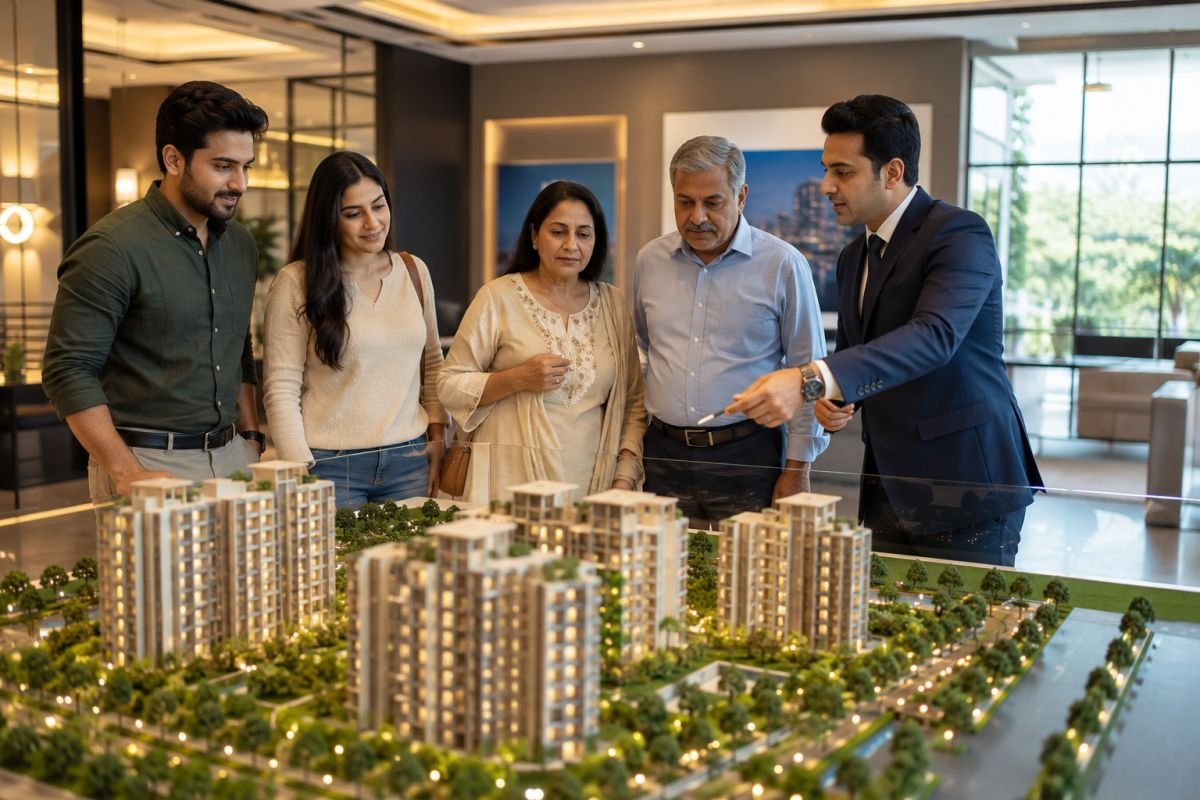
Buying a home for your retired parents is one of the most thoughtful investments you can make for your family. It goes far beyond selecting a property with a good location or attractive amenities. As parents enter retirement, their priorities change. Comfort, safety, accessibility, healthcare, and peace of mind become far more important than luxury or extra space.
Many families only realize this after facing challenges such as climbing stairs, traveling long distances for medical appointments, or maintaining a large independent house. Choosing the right home today can help your parents enjoy a healthier, more independent, and stress-free lifestyle for years to come. Before making a decision, it also helps to understand the complete home buying process of the purchase is carefully evaluated.
This guide explains the most important factors to consider before buying a home for retired parents so you can make an informed and future-ready decision.
Choose the Right Location Before Anything Else
Location should always be your first priority. A premium apartment with excellent interiors loses much of its value if hospitals, grocery stores, banks, and daily essentials are difficult to access.
Look for a neighborhood that offers excellent road connectivity, reliable public transport, and essential services within a short distance. Easy access to healthcare facilities is especially important because regular medical check-ups and emergency care become more frequent with age.
While exploring well-established residential neighbourhoods, it is worth comparing the insights available at . Buyers researching Gurgaon’s most promising residential locations can also benefit from . Among the city’s rapidly developing corridors, the Dwarka Expressway corridor continues to attract homebuyers because of its modern infrastructure, improving connectivity, and premium residential developments.

Living close to family members is another advantage. It allows children and relatives to visit often, provide support when needed, and respond quickly during emergencies. A peaceful locality with less traffic, clean surroundings, and green open spaces also contributes to better physical and mental well-being.
Prioritize Safety and Accessibility
A retirement-friendly home should support independent living. Even if your parents are healthy today, choosing an accessible home ensures they remain comfortable as their needs change over time.
Look for homes with elevators, ramps, wide corridors, anti-skid flooring, and step-free entrances. Bathrooms should have enough space for grab bars and easy movement, while kitchens should be designed to reduce unnecessary bending and reaching.

Security is equally important. Gated communities with 24×7 security, CCTV surveillance, visitor management systems, and intercom facilities provide a safe environment for senior citizens. Good lighting in common areas and emergency response systems further improve everyday safety.
Make Healthcare Access a Priority
Healthcare should never be an afterthought when buying a retirement home. Even healthy retirees benefit from living close to hospitals, diagnostic centers, pharmacies, and clinics.
Before finalizing a property, check how quickly an ambulance can reach the community and whether reputed hospitals are within a short driving distance. Some modern residential developments also provide medical rooms, wellness centers, physiotherapy services, or partnerships with nearby healthcare providers.

Easy access to healthcare not only provides convenience but also offers reassurance to the entire family.
Look for Low-Maintenance Living
Many retired couples prefer spending time with family, traveling, or pursuing hobbies instead of handling home repairs and maintenance.
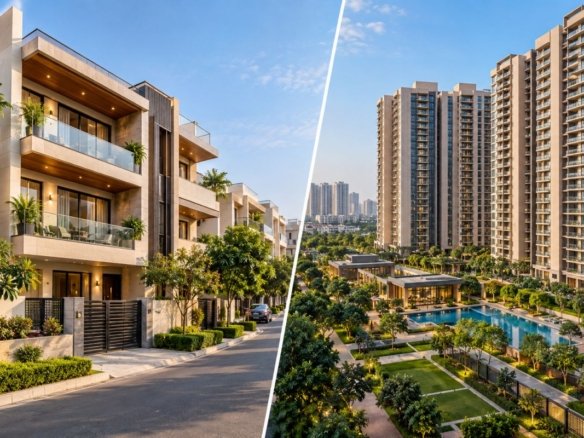
Independent houses often require regular painting, plumbing, electrical work, gardening, and security management. Apartments in professionally managed residential communities usually offer maintenance services that take care of common areas, landscaping, waste management, and infrastructure.
Choosing a low-maintenance home allows your parents to enjoy retirement without worrying about daily upkeep. It also reduces unexpected repair expenses and simplifies long-term living.
Evaluate Community Amenities
The best retirement homes encourage an active and healthy lifestyle rather than simply providing a place to live.
Walking tracks, landscaped gardens, yoga decks, clubhouses, libraries, indoor games, and community halls help senior citizens stay physically active and socially connected. Regular interaction with neighbors reduces loneliness and creates a sense of belonging.

Many residential communities also organize cultural events, wellness programs, and recreational activities that make everyday life more enjoyable for retirees.
Think About Future Needs
A common mistake buyers make is focusing only on their parents’ current lifestyle. Retirement planning should always consider future requirements as well.
Ask practical questions before purchasing the property. Will the home remain comfortable if mobility becomes limited? Can a wheelchair move easily through the apartment? Are there lifts with power backup? Is there enough space to install assistive devices if needed?
Planning for these possibilities today can prevent expensive renovations later and allow your parents to continue living independently for many years.
Consider the Financial Picture
The purchase price is only one part of the total cost of homeownership.
Evaluate monthly maintenance charges, utility bills, parking costs, property taxes, and society fees before making a decision. A property with slightly higher maintenance charges may actually provide better value if it includes security, housekeeping of common areas, landscaping, and facility management.
Also consider the long-term investment potential of the location. Homes in well-developed neighborhoods with strong infrastructure, healthcare facilities, and good connectivity often retain better resale value while offering a superior lifestyle.
Verify Legal Documents and Builder Reputation
Before booking any property, complete proper legal due diligence.
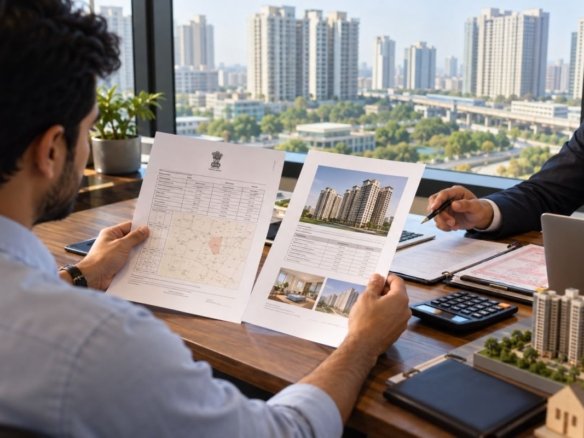
Verify ownership documents, approvals, occupancy certificates, and all applicable registrations. Purchasing from a reputed developer with a strong delivery record improves confidence in construction quality and after-sales service.
Visiting completed projects, speaking with existing residents, and inspecting the property personally can help you identify issues that brochures or advertisements may not reveal.
Questions to Ask Before Buying
Before making the final decision, ask yourself a few important questions:
- Is the nearest hospital within easy reach?
- Does the building have reliable lift access?
- Are the bathrooms senior-friendly?
- Is the community secure throughout the day and night?
- Are maintenance services dependable?
- Is the neighborhood peaceful and well connected?
- Will the home remain comfortable 10 to 15 years from now?
Answering these questions honestly can help avoid costly mistakes and ensure the property truly meets your parents’ needs.
Final Thoughts
Buying a home for retired parents is about providing comfort, independence, and security during one of the most important stages of life. While attractive interiors and luxury amenities may seem appealing, the true value of a retirement-friendly home lies in accessibility, healthcare access, community living, and low-maintenance convenience.

Take time to evaluate every aspect of the property, including its location, safety features, long-term usability, and financial implications. If you’re exploring a premium family-friendly residential community that combines modern amenities, green surroundings, and excellent connectivity, you can explore as an example of a thoughtfully planned residential development suitable for multigenerational families.
A retirement home should be more than a place to live—it should be a place where your parents can enjoy their golden years with dignity, happiness, and complete peace of mind.
Frequently Asked Questions (FAQs)
What should I look for when buying a home for retired parents?
Look for a home that offers easy accessibility, strong security, nearby healthcare facilities, low maintenance requirements, good connectivity, and amenities that support an active lifestyle.
Is an apartment better than an independent house for retired parents?
In many cases, yes. Apartments usually provide elevators, security, maintenance services, and community amenities that make daily life easier for senior citizens.
Why is healthcare access important when choosing a retirement home?
Living close to hospitals, clinics, and pharmacies ensures quicker medical attention during emergencies and makes routine healthcare more convenient.
What safety features should a retirement-friendly home have?
Essential features include anti-skid flooring, ramps, elevators, grab bars, adequate lighting, CCTV surveillance, visitor management, and 24×7 security.
Should I choose a ready-to-move property for retired parents?
A ready-to-move home is generally a better choice because you can inspect the actual property, avoid construction delays, and allow your parents to move in immediately.
How can I future-proof a retirement home?
Choose a property with step-free access, wide doorways, spacious bathrooms, lift access, and a layout that can accommodate changing mobility needs over time.


Join The Discussion