
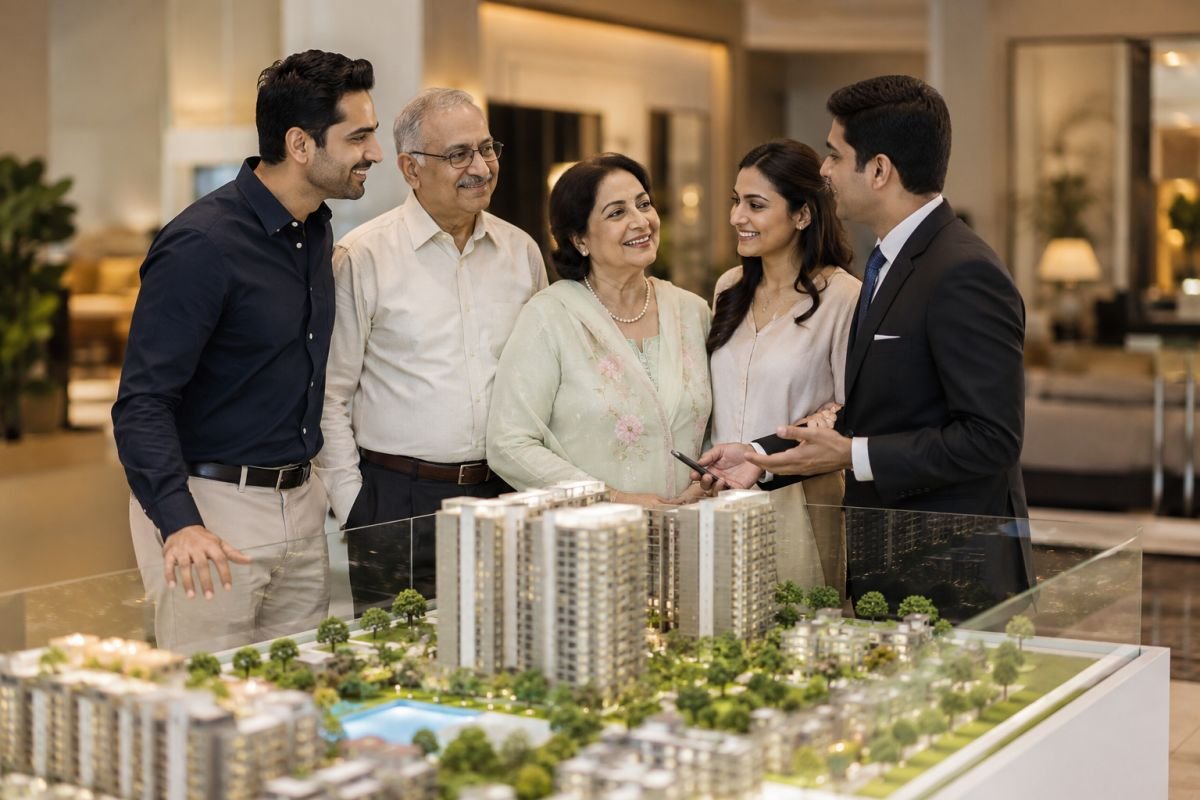
Retirement is one of life’s biggest milestones. After years of hard work and responsibility, parents finally get the opportunity to slow down and enjoy a more peaceful lifestyle. At this stage, their priorities often shift from career and commuting to comfort, health, safety, and spending quality time with family. Choosing the right home after retirement is therefore much more than a real estate decision—it’s an investment in their well-being and happiness.
Many families focus only on the size of the property or its price, but a retirement-friendly home should also support changing health needs, offer easy access to healthcare, and provide an environment where seniors can live independently for years to come. Whether you’re planning to buy a home for your parents or helping them relocate after retirement, this guide will help you make a thoughtful and informed decision.
Start by Understanding Their Lifestyle
Every retired couple has different expectations from their new home. Some enjoy an active social life and want a vibrant community, while others prefer a quiet neighborhood surrounded by greenery. Before shortlisting properties, have an open conversation with your parents about their daily routine, hobbies, future plans, and personal preferences.
Ask yourself a few important questions. Will they be living independently? Do they frequently host relatives or grandchildren? Do they enjoy morning walks, gardening, or community events? Understanding these lifestyle preferences helps narrow down the options and ensures the home truly matches their needs.
Choose a Location That Makes Everyday Life Easier
The location of a retirement home has a direct impact on convenience and quality of life. Since office commutes are no longer a priority, focus on areas that provide easy access to essential services.
Look for neighborhoods with reputed hospitals, pharmacies, grocery stores, banks, parks, and reliable public transportation. A peaceful environment with less traffic and better air quality can also contribute to healthier living. Well-developed residential communities often offer these conveniences within a short distance, making daily life easier for senior citizens.

If your parents have regular medical appointments, living close to healthcare facilities can save valuable time during emergencies and reduce travel-related stress.
Apartment or Independent House: Which Is Better?
One of the most common questions families face is whether to buy an apartment or an independent house. Both options have advantages, but the right choice depends on your parents’ lifestyle and long-term needs.
Apartments are generally easier to maintain and come with professional facility management, 24/7 security, elevators, landscaped open spaces, and recreational amenities. These features make apartment living particularly suitable for retired couples who want a low-maintenance lifestyle.
Independent houses offer greater privacy and flexibility, along with more outdoor space. However, they also require regular maintenance, higher security arrangements, and ongoing repairs. Unless there is adequate family support or dedicated maintenance staff, managing a large independent home can become challenging with age.

For many families, a well-planned apartment in a gated community strikes the right balance between comfort, safety, and convenience.
Look for Senior-Friendly Features
The ideal retirement home should support both present and future needs. Even if your parents are active today, it’s wise to choose a property designed for comfortable aging.
Features worth prioritizing include step-free entrances, elevators, wide doorways, anti-slip flooring, well-lit corridors, grab bars in bathrooms, adequate ventilation, and reliable power backup. Homes with minimal stairs and easy movement reduce the risk of accidents and allow seniors to maintain their independence for longer.

Natural light, good ventilation, and spacious layouts also contribute to a healthier and more pleasant living environment.
Prioritize Safety and Security
Feeling secure at home is essential for peace of mind. This becomes even more important if your parents live alone or if you stay in a different city.
A secure residential community should have round-the-clock security personnel, CCTV surveillance, visitor management systems, well-lit common areas, and emergency response procedures. Gated communities often provide these facilities while creating a safer environment for senior residents.
Beyond physical security, a friendly neighborhood where residents know one another can help reduce loneliness and foster a stronger sense of belonging.
Don’t Overlook Healthcare Access
Healthcare should be one of the biggest deciding factors when selecting a retirement home. As people age, regular health check-ups and quick access to medical services become increasingly important.
Ideally, the property should be located near multispecialty hospitals, diagnostic centers, pharmacies, and physiotherapy clinics. Some modern residential projects even organize regular health camps, ambulance support, and wellness programs for residents.
Being close to quality healthcare not only provides convenience but also offers reassurance during unexpected medical situations.
Choose Amenities That Add Real Value
While luxury amenities may look attractive during property visits, not every feature contributes to a comfortable retirement lifestyle.
Instead, focus on amenities that encourage health, relaxation, and social interaction. Walking trails, landscaped gardens, yoga areas, indoor games, reading lounges, community halls, and senior-friendly fitness spaces are far more valuable than facilities that may rarely be used.

These shared spaces help retirees stay physically active, build friendships, and enjoy a more fulfilling lifestyle.
Plan Your Budget Beyond the Purchase Price
The total cost of owning a retirement home extends well beyond the property’s price tag. Families should prepare a realistic financial plan that includes registration charges, maintenance fees, property taxes, insurance, utility bills, and healthcare expenses.
It’s also wise to keep an emergency fund for unexpected repairs or medical needs. Choosing a home with manageable maintenance costs allows retired parents to enjoy financial stability without unnecessary stress.
Buying within a comfortable budget is often more beneficial than stretching finances for a larger or more luxurious property.
Think About the Future
One of the biggest mistakes families make is buying a home that works for today’s needs but not for tomorrow’s challenges.
A retirement home should remain comfortable even after 10 or 15 years. Consider future mobility, accessibility, healthcare requirements, and the possibility of needing caregiver support. Choosing a home that can adapt to changing circumstances helps avoid another relocation later in life.
Long-term planning also protects the property’s resale value and ensures it continues to meet the family’s evolving needs.
Common Mistakes to Avoid
Many buyers unintentionally overlook factors that become important later. Avoid purchasing a home solely because it is affordable or visually appealing. Don’t ignore maintenance costs, accessibility, neighborhood safety, or healthcare infrastructure.
Similarly, avoid buying an oversized property that becomes difficult to manage or choosing a location with poor connectivity. A practical home that supports everyday living will always be more valuable than one that simply looks impressive.
Final Checklist Before Buying
Before making the final decision, ask yourself:
- Is the neighborhood safe and peaceful?
- Are hospitals and pharmacies nearby?
- Does the home have senior-friendly design features?
- Are maintenance costs affordable?
- Can your parents comfortably access daily essentials?
- Does the community encourage social interaction?
- Will the property remain suitable over the next 15–20 years?
If most of these questions are answered positively, you’re likely choosing a home that supports a comfortable and independent retirement.
Explore the Right Retirement Home in Gurgaon
If you’re planning to buy a retirement-friendly home in Gurgaon, it’s worth understanding how different micro-markets compare before making a final decision. Our comprehensive guide to buying a home in Gurgaon can help you evaluate important factors such as budgeting, legal checks, financing, and the buying process.
Location also plays a major role in ensuring comfort after retirement. Comparing the most suitable residential sectors in Gurgaon can help you identify neighborhoods with better healthcare facilities, connectivity, and lifestyle amenities.
If you’re still deciding where to buy, explore our Gurgaon location comparison guide to understand how different growth corridors suit end-users, retirees, and long-term buyers.
Among the city’s fastest-growing residential destinations, Dwarka Expressway has emerged as a preferred choice for families seeking modern infrastructure, premium communities, and excellent connectivity.
For buyers looking for a premium low-density residential option, DLF The Arbour in Sector 63 Gurugram offers spacious residences, landscaped open spaces, and a lifestyle designed for comfortable family living, making it worth exploring as part of your retirement home.
Conclusion
Choosing the right home for your parents after retirement is one of the most meaningful decisions a family can make. The perfect retirement home isn’t necessarily the largest or the most luxurious. Instead, it’s a place where comfort, safety, healthcare, convenience, and emotional well-being come together.

By focusing on long-term needs rather than short-term preferences, families can create an environment where parents enjoy their retirement with dignity, independence, and peace of mind. A thoughtfully chosen home allows them to spend more time doing what truly matters—staying healthy, pursuing hobbies, building friendships, and making lasting memories with the people they love.
Frequently Asked Questions
What type of home is best for retired parents?
A senior-friendly apartment in a secure gated community is often the best choice because it offers security, low maintenance, elevators, and easy access to shared amenities. However, the ideal option depends on your parents’ health, lifestyle, and personal preferences.
Should retired parents buy an apartment or an independent house?
Apartments are generally easier to maintain and provide better security and community living. Independent houses offer more privacy and space but usually require greater upkeep and maintenance.
What should families consider before buying a retirement home?
Important factors include healthcare access, neighborhood safety, senior-friendly design, maintenance costs, connectivity, daily conveniences, and long-term affordability.
Why is healthcare access so important?
Living close to hospitals, pharmacies, and diagnostic centers ensures faster medical assistance during emergencies and makes routine healthcare more convenient.
Are gated communities suitable for senior citizens?
Yes. Gated communities typically provide 24/7 security, professional maintenance, walking areas, landscaped gardens, and community spaces that help senior citizens enjoy a safer and more active lifestyle.



Join The Discussion