

Gurgaon’s luxury market hasn’t suddenly changed. It has been evolving steadily over the past few years, but not in a way that is immediately visible. Earlier, the positioning was straightforward—larger apartments, better materials, and premium fittings were enough to define a high-end property. That still holds value, but it is no longer the deciding factor.
Today’s buyers approach luxury very differently. When they walk into a sample apartment, they are not just observing the space—they are actively evaluating how it fits into their lifestyle. They notice inefficiencies, question layouts, and instinctively start thinking about what they would change. This behavioural shift is especially visible when analysing ultra luxury homes buyer trends Gurgaon, where expectations are driven more by experience and usability than by traditional markers of luxury.

Luxury Is Now Defined by Usability, Not Just Scale
The definition of luxury has moved beyond size and surface-level finishes. Buyers are now more focused on how a home functions on a daily basis. A well-designed space that aligns with lifestyle needs often carries more value than a larger but inefficient layout.
During site visits, this becomes very clear. Buyers are quick to identify spaces that feel impractical—a kitchen that looks elegant but lacks functionality, a study that appears like leftover space, or bedrooms that do not align with how the family actually lives. These are not minor observations anymore; they directly influence buying decisions.

Once this mindset develops, fixed layouts begin to feel restrictive. Buyers are no longer willing to adjust themselves to the home—they expect the home to adapt to them.
The Shift Toward Smarter Luxury Living
Interestingly, this shift does not always translate into a demand for bigger homes. In many cases, buyers are prioritising efficiency over scale. Well-planned layouts, better space utilisation, and functional design are becoming more important than sheer square footage.
This is one of the key reasons behind the growing popularity of compact luxury homes trend Gurgaon. These homes are designed to deliver a premium experience within a more optimised space, making them highly relevant for modern buyers, including working professionals and NRIs who value convenience and practicality.

Luxury, in this context, is becoming more intentional rather than excessive.
Flexibility Has Become a Key Expectation
Another important trend shaping buyer decisions is the demand for flexibility. However, what “customization” means in reality varies significantly across projects.

Some developments genuinely allow structural adjustments, enabling buyers to modify layouts and create more personalised living spaces. Others offer limited flexibility, focusing mainly on finishes and minor design changes. Then there are bare shell units, which provide maximum control but also shift the entire responsibility of execution onto the buyer.
This creates a more complex decision-making process. Buyers are no longer just evaluating a finished product—they are also assessing how much control they have over shaping the final outcome.
Low-Density Living Is Gaining Importance
Beyond the apartment itself, buyers are placing increasing importance on the overall living environment. High-density projects are gradually losing appeal, especially among premium buyers who prioritise privacy, open space, and a more controlled living experience.
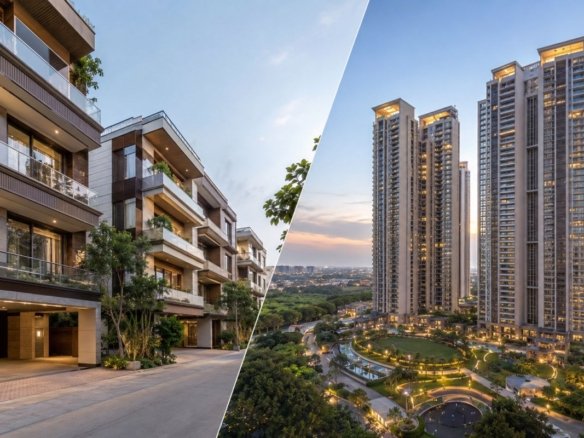
This shift is driving strong demand toward premium low density housing projects Gurgaon, where fewer units per floor, larger open areas, and better spacing between towers create a significantly improved lifestyle experience.

For many buyers, this factor alone can outweigh other considerations such as pricing or location.
Customization vs Resale: A Strategic Balance
While customization is often seen as a value addition, it does not always translate into better resale performance. A thoughtfully planned layout that improves usability can enhance long-term value, but excessive personalization can limit a property’s appeal in the future.

Highly specific design choices, reduced bedroom configurations, or layouts tailored to a niche lifestyle may not align with the preferences of the next buyer. This is why experienced investors tend to maintain a balance—they optimise the space without making it too specific.
Adaptability remains a key factor in preserving resale value.
Execution Is Where Complexity Begins
The idea of customization is appealing, but execution introduces a different set of challenges. Design decisions take time, costs often exceed initial expectations, and coordination between multiple stakeholders can become complicated.

Even with professional assistance, timelines are rarely as predictable as they appear at the beginning. For some buyers, this level of involvement is manageable and even enjoyable. For others, it becomes overwhelming, leading them to prefer ready-to-move or pre-designed homes instead.
This distinction plays an important role in shaping final purchase decisions.
Investment Perspective: What Actually Matters Now
From an investment standpoint, buyer psychology is becoming one of the most critical factors. Projects that align with evolving preferences—such as efficient layouts, low-density planning, and long-term usability—are more likely to sustain demand and perform better in resale markets.
This means that investment decisions can no longer be based solely on location or pricing trends. Understanding how future buyers will evaluate a property is equally important.
For those looking to position themselves strategically, exploring best luxury investment options Gurgaon provides a clearer picture of where demand is likely to concentrate in the coming years.
Final Takeaway
Gurgaon’s luxury market is no longer defined by size, pricing, or branding alone. It is being shaped by a deeper shift in buyer expectations, where functionality, flexibility, and overall living experience play a central role.
Buyers today are not simply purchasing what is offered. They are carefully evaluating how a home fits into their lifestyle and whether it can adapt to changing needs over time. Developers are responding to this shift, but within controlled limits, creating a market that balances structure with flexibility.

This evolving dynamic is what will define the next phase of luxury real estate in Gurgaon.
Frequently Asked Questions
Is customization actually worth going through all the effort?
For some people, yes — especially if layout matters a lot to them. For others, it ends up feeling like more work than expected. It’s not a universal win.
Do developers really allow full flexibility?
Rarely. Most projects offer a controlled version of it. The difference becomes clear once you get into specifics.
How much extra cost should someone keep in mind?
There’s no clean number. Some manage budgets well, others overshoot quite a bit. It often depends on how decisions evolve during execution.
Can too much customization become a problem later?
It can. Especially when changes are very personal or reduce flexibility. What works perfectly for one buyer doesn’t always translate to the next.
Do most buyers actually go for it?
Not fully. Many explore the idea, but a lot of them settle for limited changes once they understand what’s involved.

Join The Discussion