
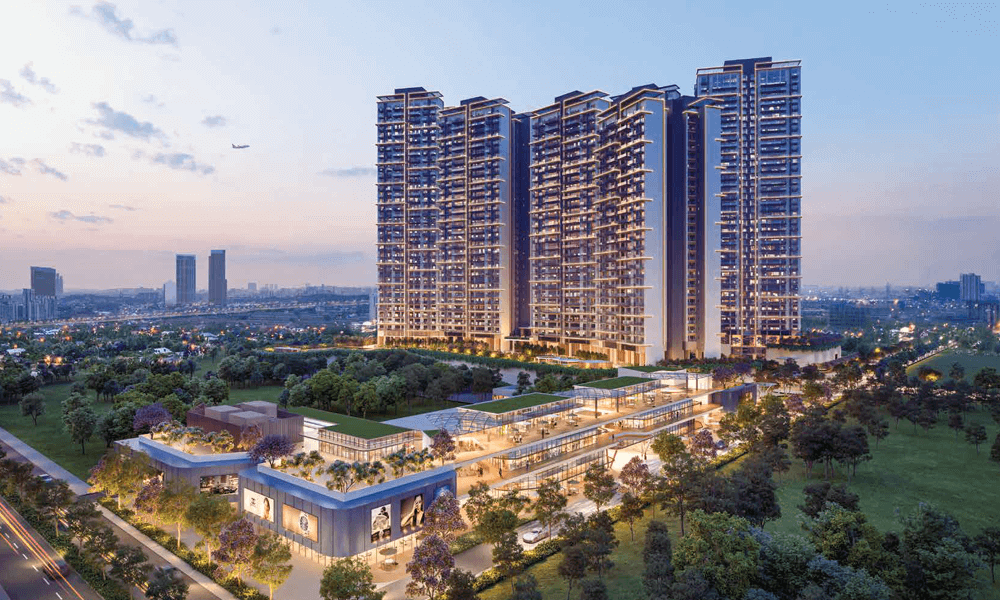
As Gurgaon transitions into a dense, premium-priced urban market, investors and end-users are increasingly evaluating plotted developments near the city as a strategic long-term alternative. With core sectors reaching peak valuations, capital is steadily shifting toward infrastructure-backed corridors where land offers scarcity-driven appreciation and long-term control.
In 2026, plotted developments are no longer fringe bets — they are structured land allocation strategies aligned with major infrastructure corridors such as SPR, NH-48, Dwarka Expressway, and the Delhi–Mumbai Industrial Corridor.
If you are exploring structured options within regulated frameworks, this DDJAY plots investment options Gurgaon will help you understand how government-backed plotted schemes operate.
What Defines a High-Quality Plotted Development in 2026

Not all plotted projects deliver long-term value. The strongest developments share a clear set of characteristics.
First, infrastructure adjacency is critical. Projects located near major corridors like SPR or NH-48 tend to benefit from faster appreciation due to connectivity-driven demand.
Second, approval clarity ensures legal safety. DTCP licensing, clean title structure, and compliance with planning norms directly impact resale liquidity.
Third, planning quality — including road width, drainage systems, and utility layouts — determines livability and long-term sustainability.
Fourth, price discipline plays a key role. Overpaying in early-stage corridors can significantly reduce future returns.
Finally, alignment with master planning ensures that the project is not isolated but integrated into broader urban growth.
Price Positioning Snapshot (2026)

In 2026, pricing across plotted corridors reflects infrastructure maturity and location positioning.
DDJAY plots in Sohna are generally positioned in the ₹45,000–₹65,000 per sq yd range, offering relatively accessible entry points for investors.
New Gurgaon sectors such as 67, 63A, 68, and 92 command higher pricing due to better infrastructure and urban absorption.
Dwarka Expressway peripheral sectors, particularly 102 and 104, fall into a premium bracket due to airport connectivity and Delhi access.
Manesar and DMIC-aligned zones remain more affordable but require longer holding periods.
Entry discipline is critical — pricing should always be evaluated relative to infrastructure stage.
| Corridor | Entry Price Range | Growth Stage | Best For | Risk Level |
|---|---|---|---|---|
| SPR & Sohna | ₹45K – ₹65K/sq yd | Early to Mid | High long-term ROI | Medium |
| New Gurgaon (NH-48) | ₹70K – ₹1.1L/sq yd | Mid to Mature | Balanced growth + liquidity | Low |
| Dwarka Expressway Peripheral | ₹1.2L – ₹1.6L/sq yd | Maturing | Premium appreciation | Low |
| Manesar & DMIC Belt | ₹35K – ₹55K/sq yd | Early | Long-term compounding | Medium-High |
SPR & Sohna Corridor: Structured South Gurgaon Growth
The SPR and Sohna corridor is emerging as one of the most structured expansion zones in South Gurgaon.

Southern Peripheral Road connects Golf Course Extension Road to NH-48 and further to Sohna, creating a strong connectivity backbone. As this corridor develops, demand for plotted developments continues to rise.
Sohna, in particular, is gaining traction due to policy-backed plotted developments and improving infrastructure. The market here is showing gradual, stable appreciation rather than speculative spikes — a positive sign for long-term investors.
If you want to understand why this corridor is gaining attention, explore gated plotted townships Sohna investment for a deeper perspective.
New Gurgaon & NH-48 Belt: Balanced Growth + Liquidity
New Gurgaon sectors near NH-48 offer a balanced mix of appreciation and liquidity.
These areas benefit from proximity to employment hubs, improving infrastructure, and established residential ecosystems. As a result, exit liquidity is typically stronger compared to early-stage corridors.
For investors looking for relatively stable growth with lower risk, this belt provides a strong opportunity.
Dwarka Expressway Peripheral Zones: Airport-Led Premium

Peripheral sectors along Dwarka Expressway are gaining importance due to their connectivity to Delhi and IGI Airport.
As central Dwarka Expressway becomes increasingly expensive, investors are exploring nearby sectors that still offer reasonable entry points with strong long-term potential.
Airport connectivity remains one of the strongest value drivers in NCR, making this corridor attractive for long-term capital appreciation.
Manesar & DMIC Belt: Industrial-Led Long-Term Play
Manesar and DMIC-linked zones represent a different type of opportunity — one driven by industrial growth.
These areas benefit from employment-backed demand and infrastructure development linked to industrial expansion. While appreciation may be slower initially, the long-term potential is strong for patient investors.
This is a corridor best suited for those with a 10–15 year investment horizon.
DDJAY vs Licensed Plots: Understanding the Difference
DDJAY plotted developments operate under Haryana’s affordable plotted scheme framework, offering structured layouts and defined development norms.
Licensed colony plots may offer larger sizes and flexibility, but they require equally strict due diligence.Investors should always review the legal checklist before buying plots in Gurgaon to verify title clarity, DTCP approvals, registry structure, and zoning compliance before making any purchase decision.
It is important to note that not all projects marketed as DDJAY are fully compliant. Verification with DTCP Haryana is essential before investing.
How to Identify the Right Plot Investment
Selecting the right plotted development requires a structured approach.
Investors should evaluate licensing status, infrastructure connectivity, planning quality, developer credibility, and long-term growth drivers.
For a deeper understanding of how to structure your decision-making, refer to plot investment strategy Gurgaon long term.
Where Smart Investors Are Allocating Capital
In 2026, experienced investors are not focusing on a single location but on a portfolio approach.
Capital is being allocated across:
- South Gurgaon (SPR & Sohna) for early-stage growth
- New Gurgaon for balanced appreciation and liquidity
- Dwarka Expressway peripheral sectors for premium positioning
- Manesar for long-term industrial-led growth
This diversified approach helps balance risk and return.
If you want to explore curated opportunities across these corridors, check best locations for investment Gurgaon for a sector-wise breakdown.
Final Takeaway: Are Plotted Developments Worth It?

Plotted developments near Gurgaon are no longer speculative investments. They are structured opportunities aligned with infrastructure expansion and urban growth.
When selected with discipline — focusing on approval clarity, location, and timing — they offer strong potential for long-term wealth creation.
In a market where vertical supply is increasing and land remains finite, plotted developments are re-emerging as a core investment asset class.
Frequently Asked Questions (FAQs)
Are plotted developments near Gurgaon a better investment than apartments in 2026?
For long-term capital appreciation, plotted developments near Gurgaon are increasingly preferred over apartments. While apartments offer rental income and immediate usability, land typically appreciates more consistently over a 10–15 year horizon — especially in infrastructure-backed corridors like SPR, New Gurgaon, Dwarka Expressway, and DMIC-influenced belts.
Plots function more like strategic land banks, whereas apartments behave like depreciating built assets after a certain maturity cycle.
Which areas near Gurgaon are best for buying plots in 2026?
The strongest plotted corridors in 2026 include SPR & Sohna (especially DDJAY formats), New Gurgaon sectors near NH-48, Dwarka Expressway peripheral sectors such as 102 and 104, and Manesar zones influenced by the Delhi–Mumbai Industrial Corridor.
The right location depends on your investment horizon — Sohna and New Gurgaon suit medium-term investors, while Manesar aligns better with long-cycle capital strategies.
What is the price range for plots near Gurgaon right now?
As of Q1–Q2 2026, DDJAY plots in Sohna typically range between ₹45,000–₹65,000 per sq yd. New Gurgaon sectors such as 67, 63A, 68, and 92 range between ₹70,000–₹1.1 lakh per sq yd. Dwarka Expressway peripheral sectors may range between ₹1.2–₹1.6 lakh per sq yd, while Manesar plotted zones generally range between ₹35,000–₹55,000 per sq yd.
Actual pricing varies based on licensing structure, road width planning, and infrastructure completion stage.
Are DDJAY plots in Gurgaon safe to invest in?
DDJAY plots can be a structured and relatively safer plotted format when the project is fully compliant with DTCP Haryana norms. Investors should verify licensing status, layout approval, infrastructure commitments, and development timelines before committing capital.
Due diligence remains essential, as not every project marketed under the DDJAY framework is automatically compliant.
How long should I hold a plotted investment near Gurgaon?
Plotted developments typically perform best with a minimum 7–10 year holding period, and ideally 10–15 years in emerging corridors like Manesar or DMIC-aligned belts.
The strongest appreciation usually materializes once infrastructure delivery, employment density, and residential absorption converge within the corridor.

Join The Discussion