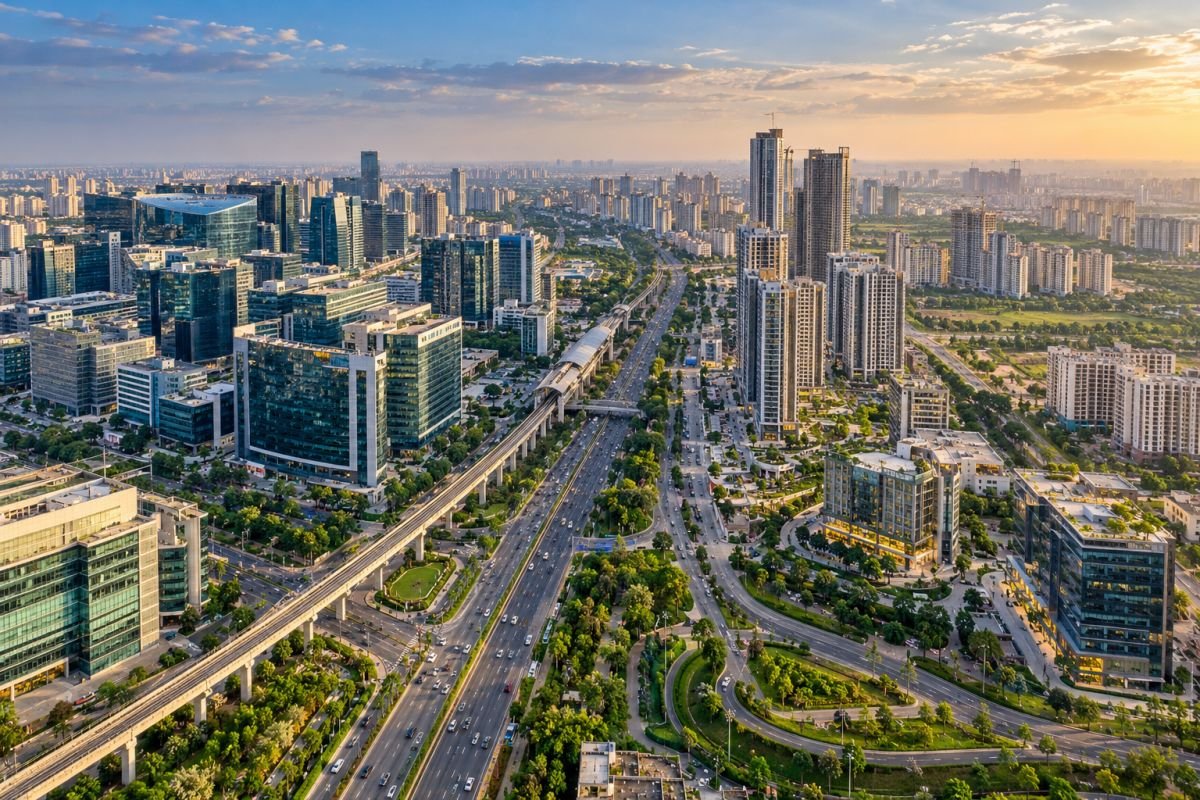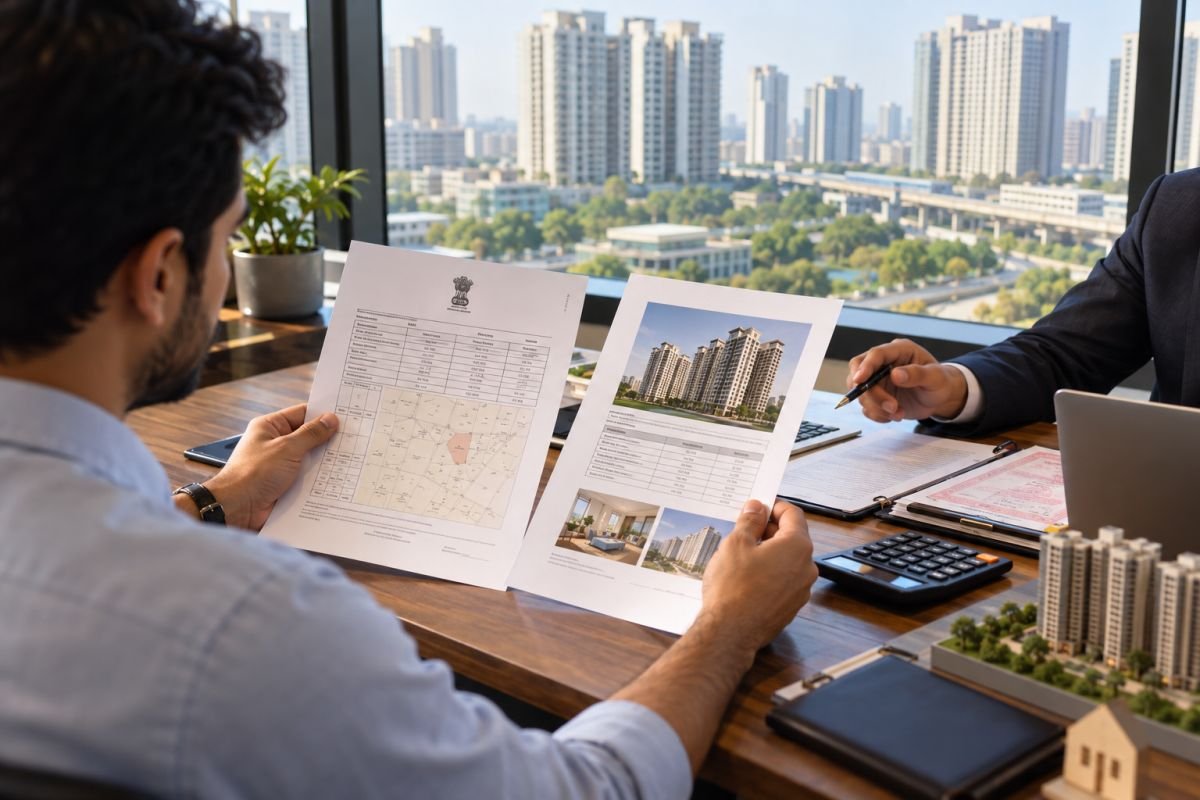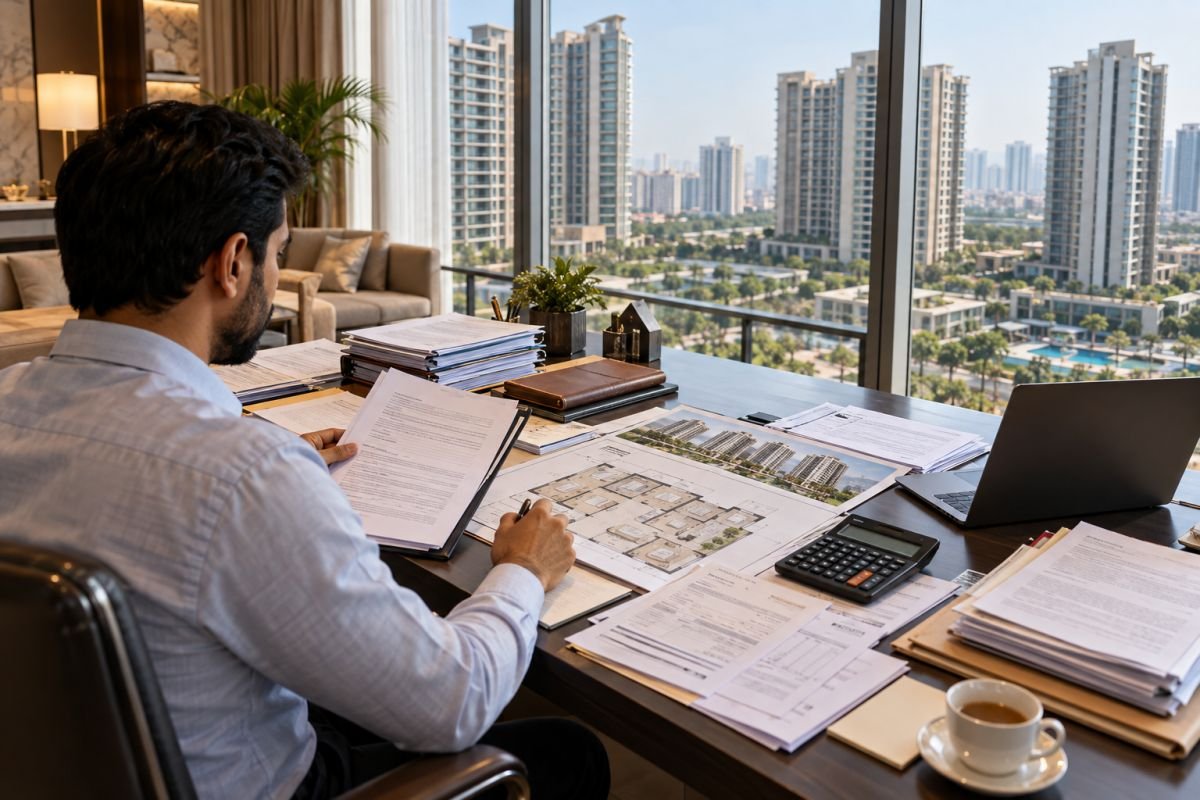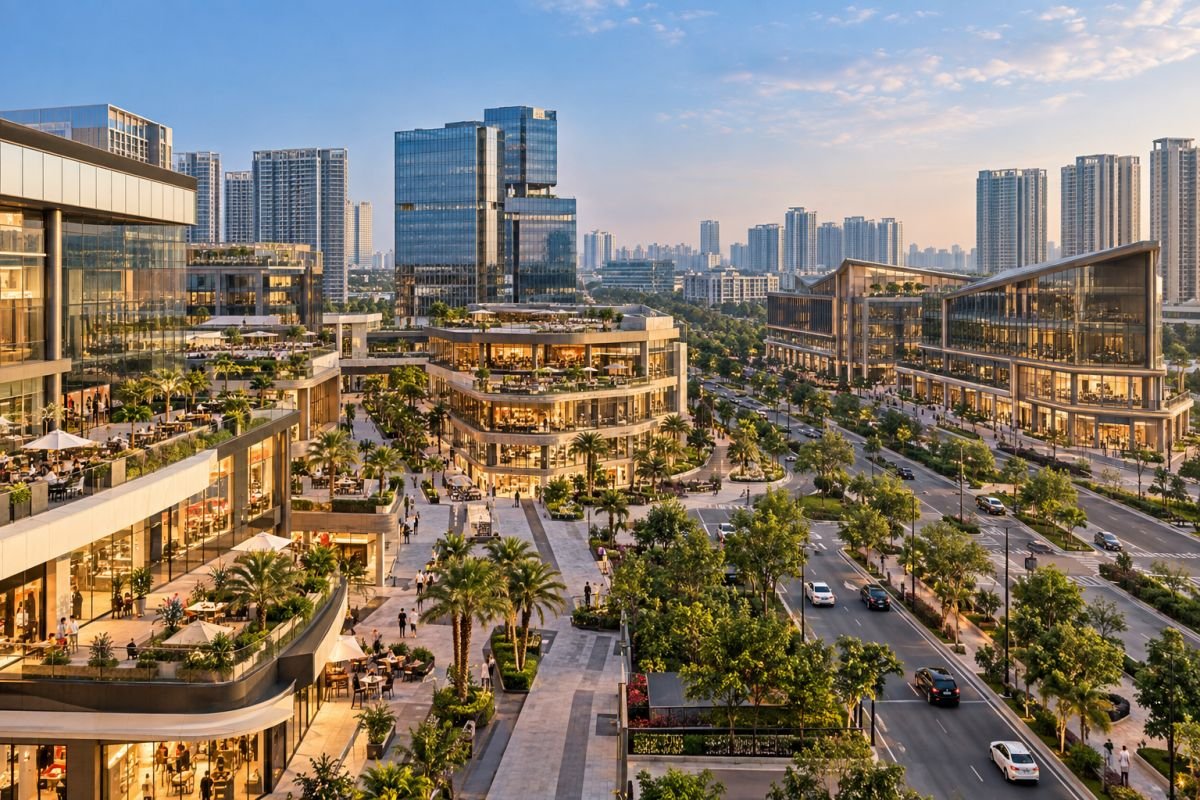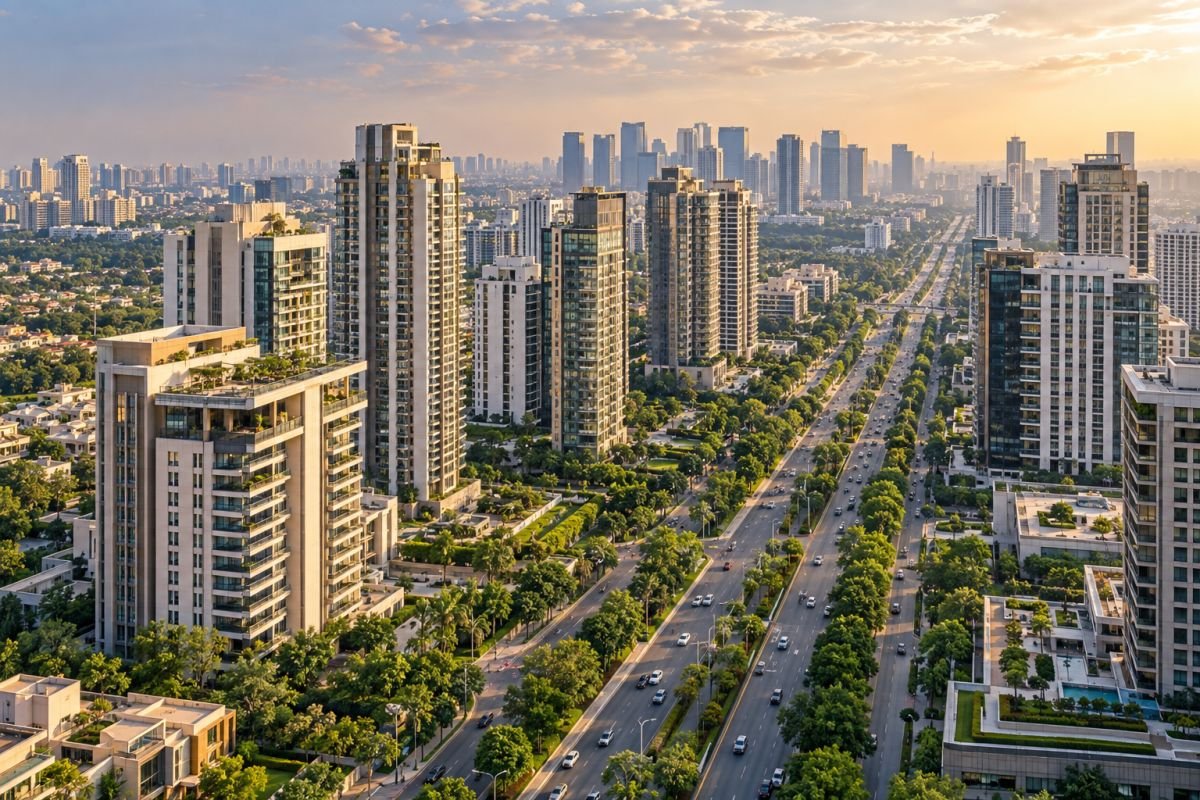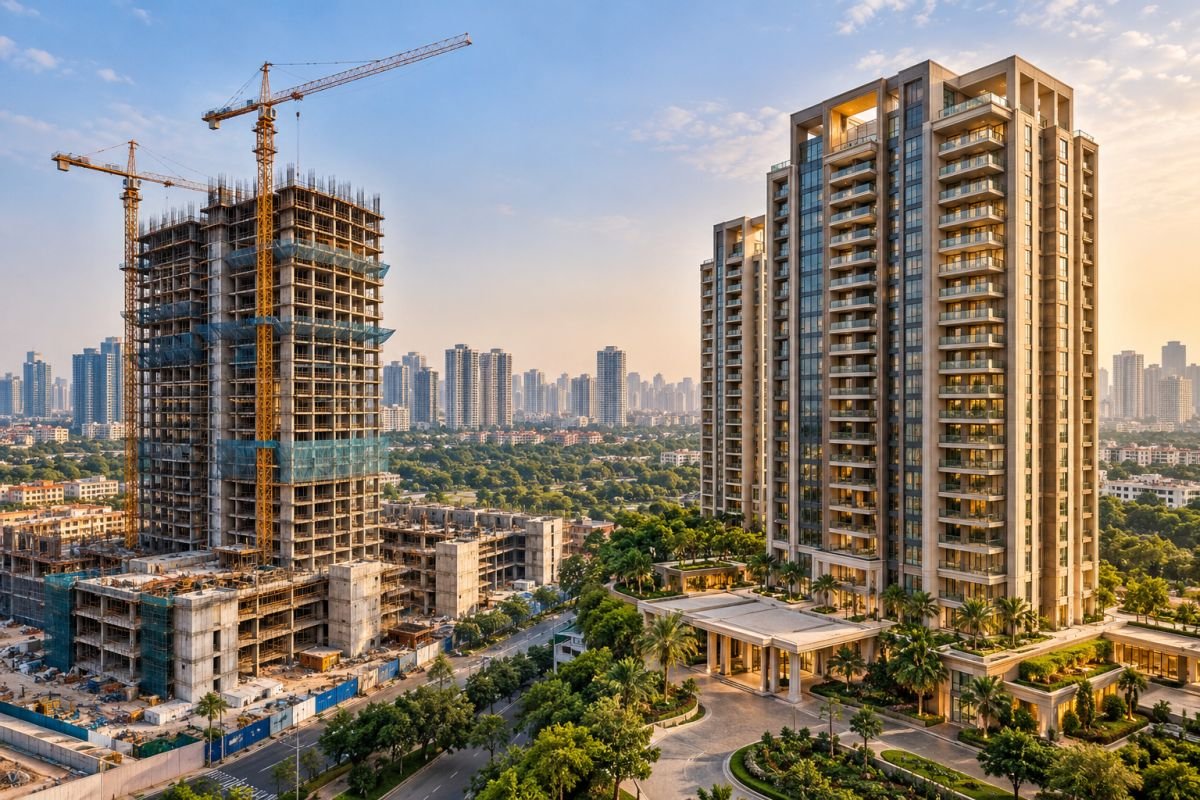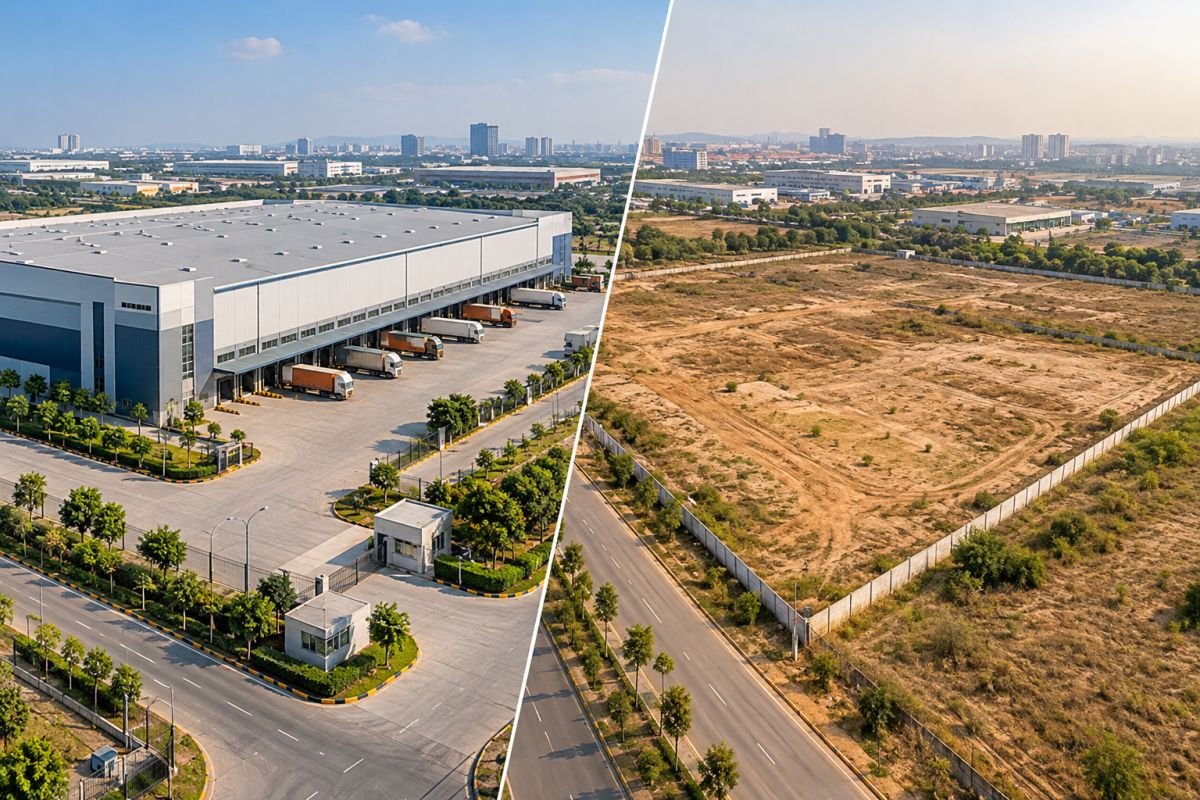
Last Updated: May 2026 | Market observations based on current Gurgaon leasing trends, commercial launches, investor activity, occupancy patterns, and corridor-level demand behavior. Commercial property investment in Gurgaon has evolved far beyond speculative launch buying. Earlier, a large portion of the market was driven by brochure projections, assured return schemes, and expectations of rapid...
property investment strategy
Dwarka Expressway has now entered a completely different phase of its real estate cycle. Five years ago, most investors here were betting primarily on future infrastructure and long-term appreciation. Today, the market is gradually transitioning into a functioning residential corridor with improving occupancy, stronger tenant movement, operational luxury societies, and expanding commercial...
Buyers researching Gurgaon real estate often start by exploring individual sectors and the residential projects available in those locations. The following sector guides provide detailed information about property options, infrastructure connectivity, and investment potential across major Gurgaon sectors. Introduction: Why Sector Selection Matters in Gurgaon Gurgaon’s real estate market has...
1. How the Gurgaon Property Market Actually Works Most investors begin by asking, “Which project should I buy?” That is the wrong starting point. In Gurgaon, individual projects change over time, but structural location fundamentals determine long-term capital behavior. If you are trying to identify the best investment location in Gurgaon, the first thing to understand is this: Gurgaon...
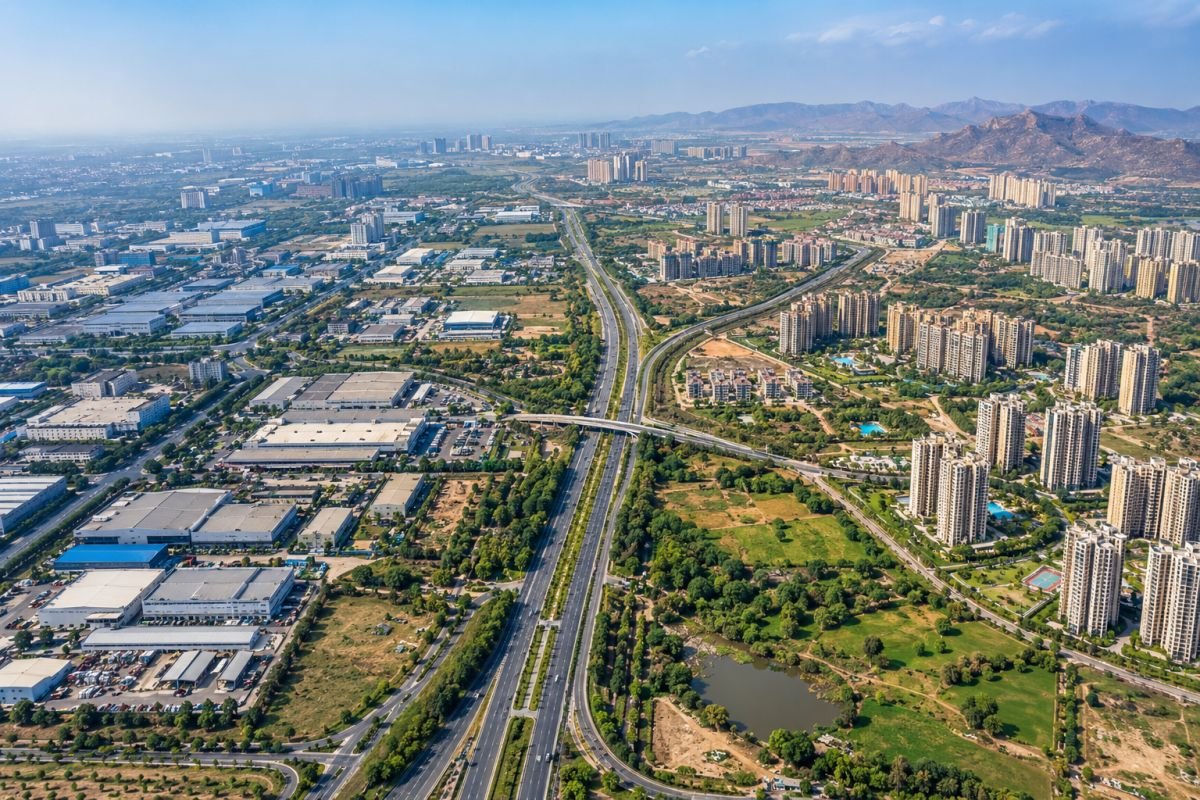
Dwarka Expressway in Gurgaon has entered a fundamentally different phase in 2026. What was once a speculative growth corridor has now become an active capital allocation zone, and that shift is visible not just in infrastructure, but in how serious buyers are behaving. The 29-kilometre stretch connecting Mahipalpur in Delhi to Kherki Daula is now largely operational, which means investors are no longer...
Over the past two decades, Gurgaon has transformed from a satellite city on the outskirts of Delhi into one of India’s most influential corporate and real estate hubs. The skyline now features glass office towers, luxury residential complexes, shopping districts, and entertainment zones spread across rapidly expanding sectors. Yet the most interesting change in Gurgaon’s urban development isn’t...
The office market looks very different today than it did a decade ago. For years the formula was simple. A company signed a long lease, designed its office, invested heavily in interiors, and expected to stay there for years. Stability was the foundation of traditional office leasing. That model has gradually started to change. In cities like Gurgaon, this shift is even more visible when you look...
Food courts in Gurgaon have changed quietly over the past decade. Earlier they were simply an additional feature inside malls — a place where shoppers could grab a quick bite before heading back to retail stores or cinemas. Today, however, they are increasingly being viewed as a distinct commercial real estate investment opportunity. This shift is part of a broader trend highlighted in retail...
Gurgaon has transformed dramatically over the last two decades. What once started as a corporate satellite town has evolved into one of North India’s most active urban real estate markets. Luxury residential towers, office campuses, shopping malls, and mixed-use developments now dominate the city’s skyline. To understand how different asset classes compare, many investors begin with a detailed...
Retail demand in India has traditionally been associated with malls and well-known high streets. Yet across many cities, another format has been quietly strengthening—retail spaces located close to residential neighbourhoods. This shift is closely connected to the ongoing debate around retail vs mall commercial property Gurgaon, where convenience-led retail is gaining importance. These...