
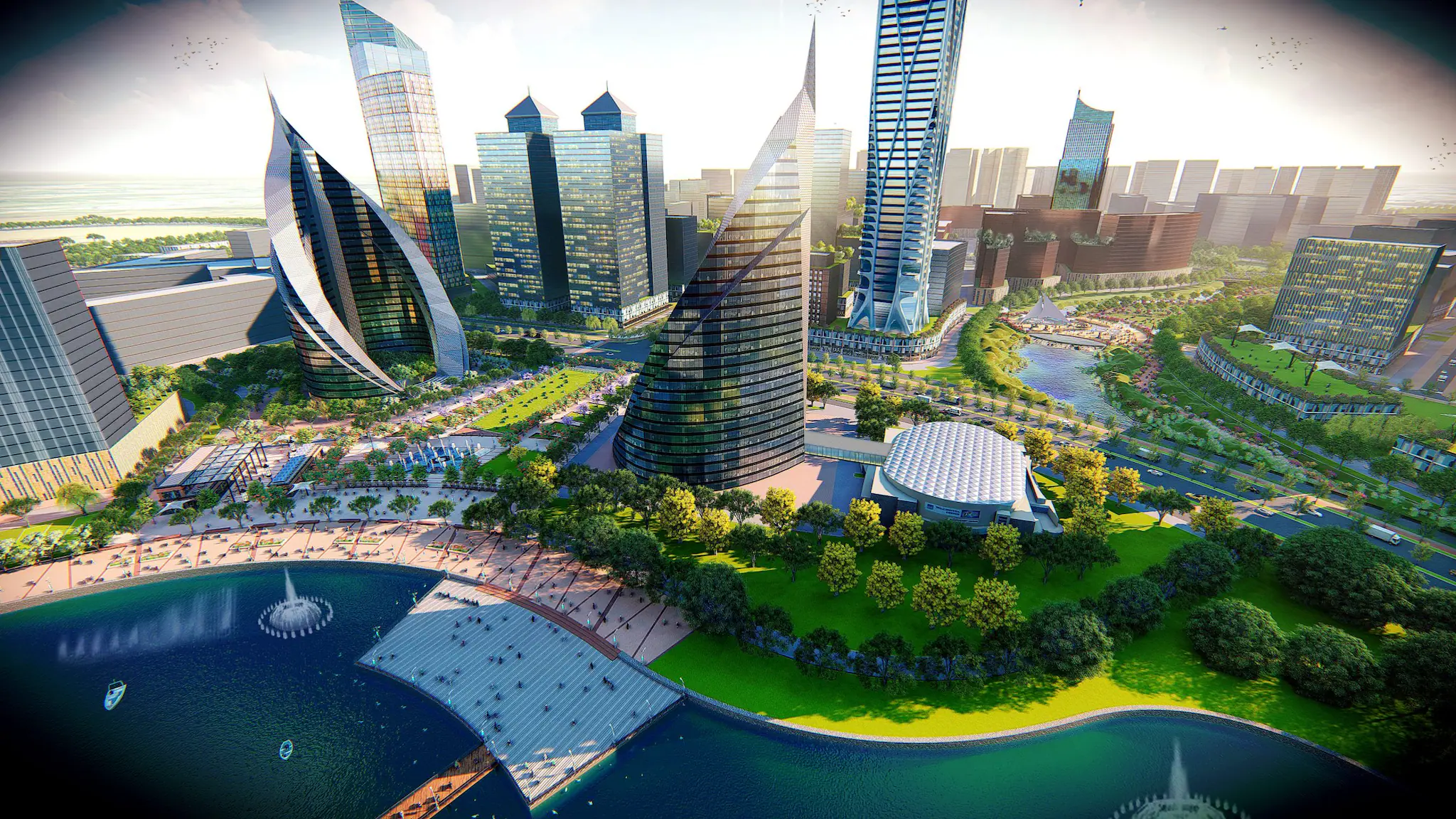
Gurgaon’s transformation is no longer narrative-driven — it is infrastructure-driven.
This analysis is based on tracked price movements, sector-level absorption patterns, and infrastructure milestone completion between 2018–2026. Over the last eight years, multiple expressways, arterial roads, metro expansions, and commercial masterplans have reshaped how capital flows into Gurgaon real estate.
In 2026, infrastructure is not supporting growth — it is determining which sectors outperform.
This guide breaks down:
- How infrastructure impacts property prices
- Which sectors are benefiting the most
- Where appreciation is already visible
- Which corridors align with different investment goals
How Infrastructure Impacts Property Prices in Gurgaon
Infrastructure affects real estate through four measurable mechanisms:
• Travel time reduction
• Rental absorption improvement
• Corporate leasing expansion
• Buyer confidence stability
When connectivity improves, demand shifts from saturated zones to emerging corridors. Early entrants capture appreciation. Late entrants pay premium pricing.
Between 2019–2026, infrastructure-backed sectors in Gurgaon have recorded price movement ranging from 25% to 60%, depending on corridor maturity and supply stage.
The difference is not hype. It is connectivity layering.
Dwarka Expressway: Airport-Led Appreciation Corridor
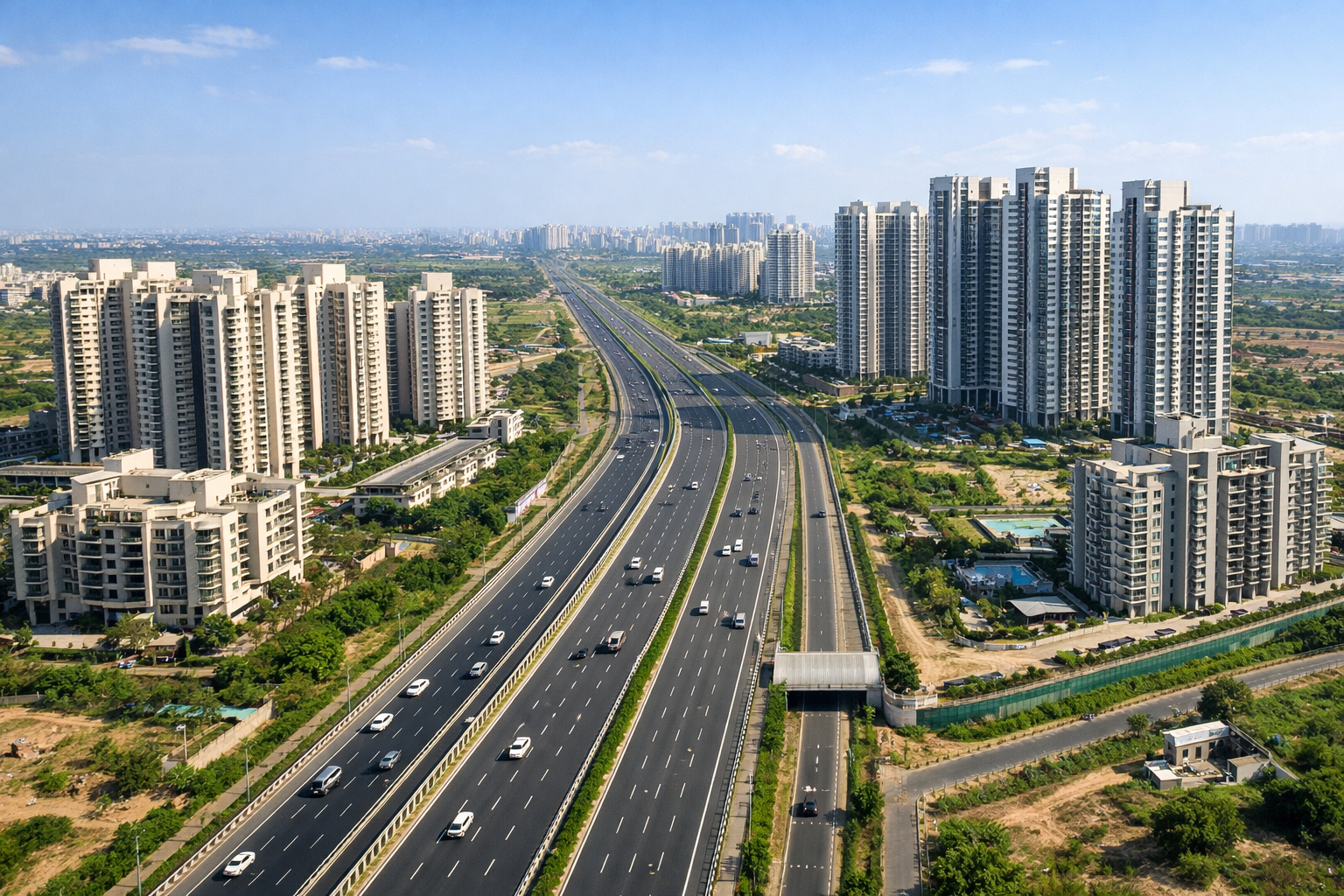
The 29-km Dwarka Expressway has permanently altered Gurgaon’s north-western growth map by directly linking Delhi and IGI Airport to new Gurugram sectors.
Completion milestones triggered visible capital acceleration.
Sector-Level Differentiation
• Sector 102 – Mid-premium inventory with early possession advantage; property price trends here have shown steady upward correction post expressway activation.
• Sector 104 – Concentration of luxury new launches along the expressway spine.
• Sector 37D – Strong investor traction due to central positioning within the corridor.
• Sector 113 – Delhi-border advantage with long-term premium positioning.
Buyers actively evaluating property price movement in Sector 102 Gurgaon and new projects in Sector 104 are typically airport-linked professionals and NRIs.
Across key Dwarka Expressway sectors, price appreciation between 2019–2026 has ranged approximately 35–60%, depending on project stage and developer positioning.
Compared to mature Golf Course Road inventory, this corridor still offers future growth elasticity.
Delhi–Mumbai Expressway: The Catalyst for South Gurgaon
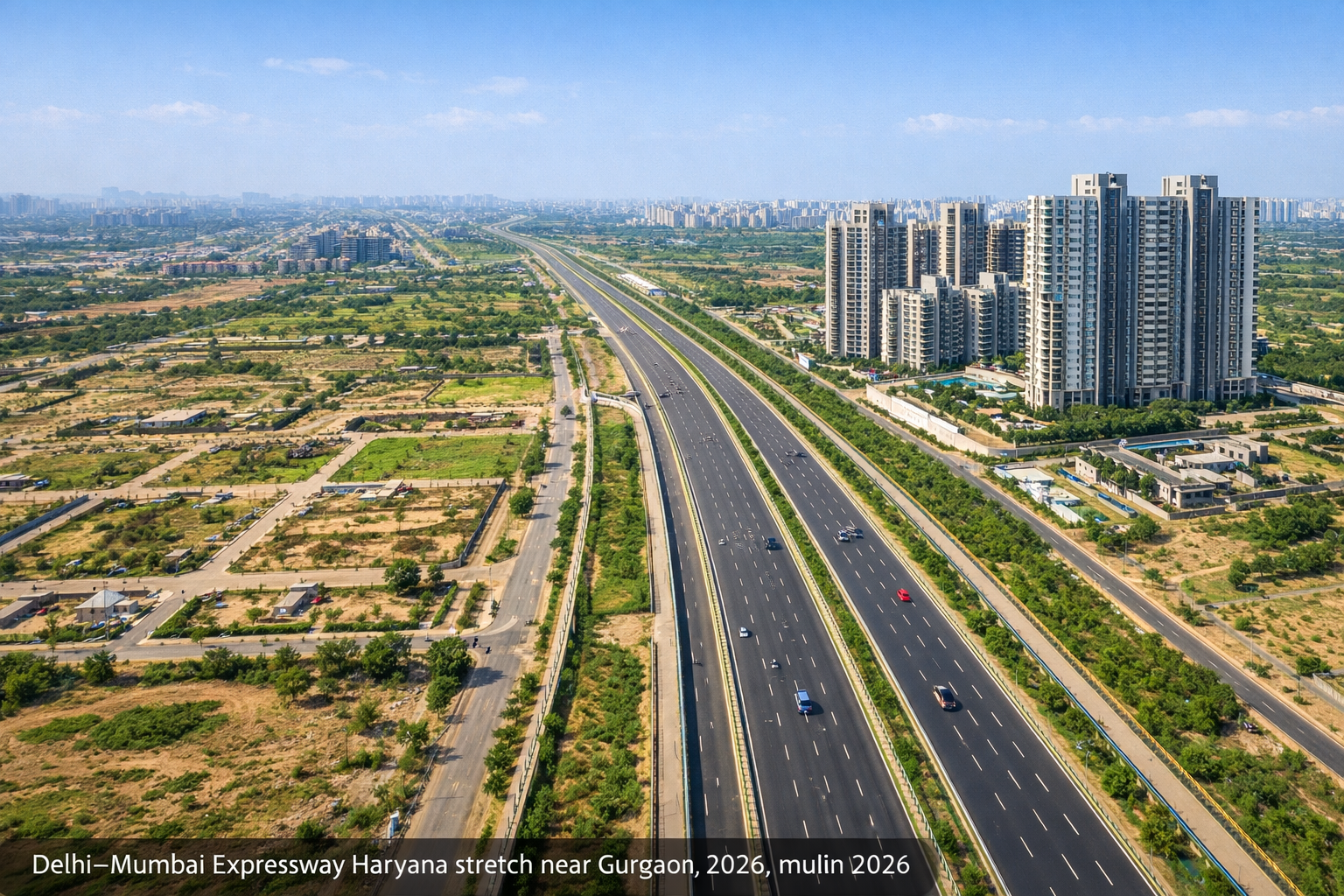
South Gurgaon’s real shift began when the Delhi–Mumbai Expressway activated its connectivity potential.
What was once viewed as peripheral land is now part of a strategic national corridor.
Emerging Micro-Markets
• Sector 79 – Investors tracking 2026 property rate movement are positioning early in upcoming residential phases.
• Sector 80 – New project concentration benefiting from improved road access.
• Sohna Belt – Plotted development interest reflecting early-cycle land appreciation.
Historically, infrastructure corridors trigger a predictable sequence:
Land appreciation → plotted development demand → mid-segment vertical housing growth.
That cycle is visible now in South Gurgaon. Early double-digit land appreciation trends have already been observed post expressway activation.
For long-horizon investors, this is a land-led growth story, not a rental-yield story.
Southern Peripheral Road (SPR): Balanced Luxury + Connectivity Play
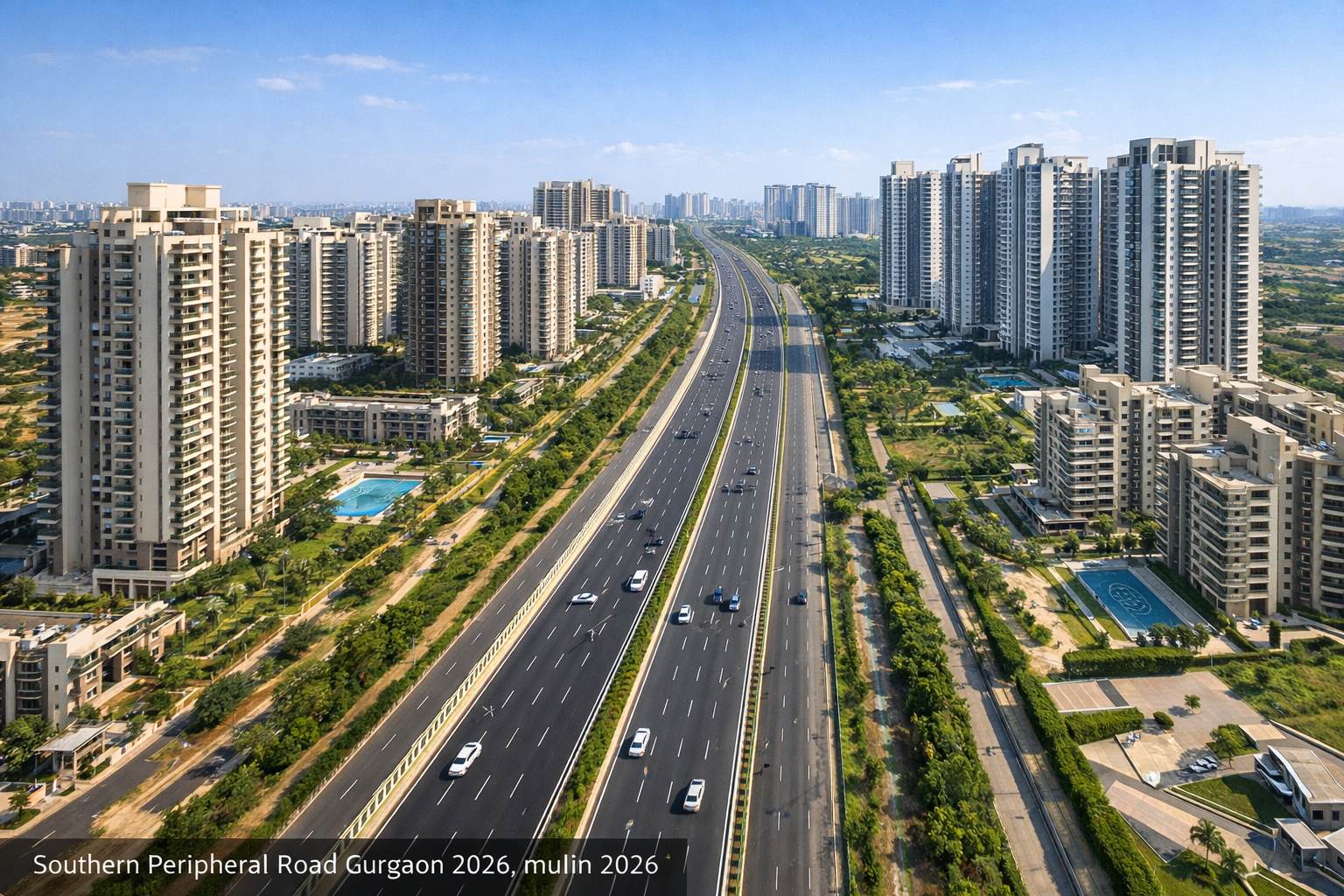
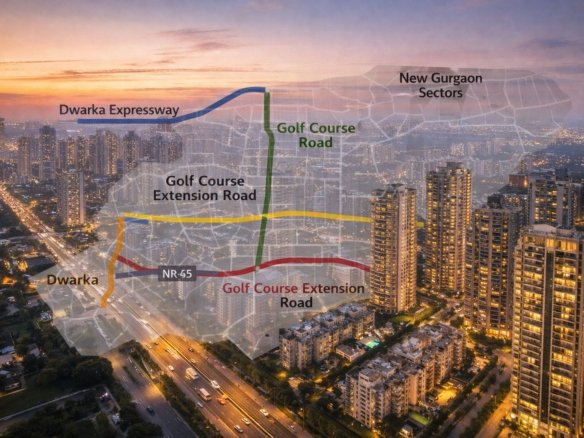
The Southern Peripheral Road connects Golf Course Extension to NH-48 and Sohna Road, creating a seamless east–west transit spine.
Unlike legacy Gurgaon, SPR expansion has been planned with broader road widths, structured commercial zoning, and integrated residential clusters.
Sector-Level Depth Along SPR
• Sector 65 – High-ticket luxury absorption and steady appreciation trend; property appreciation in Sector 65 Gurgaon reflects strong brand inventory presence.
• Sector 66 – Established premium residential cluster with stabilized absorption.
• Sector 63A – Emerging mid-premium corridor benefiting from new residential project launches.
Search trends around SPR Gurgaon property investment 2026 indicate growing interest from buyers seeking balanced risk and premium positioning.
This is not early-cycle speculation. It is mid-cycle stability backed by infrastructure maturity.
Metro Expansion: Rental Stability Engine
While expressways drive capital appreciation, metro connectivity sustains rental markets.
Areas with metro integration demonstrate:
• Higher rental yield resilience
• Stronger resale liquidity
• Consistent end-user demand
For mid-segment buyers prioritizing commute efficiency, metro-linked sectors outperform lifestyle-branded zones without transit strength.
Infrastructure here protects downside risk more than it creates upside spikes.
NH-48 Upgrades: Strengthening Rental-Driven Corridors
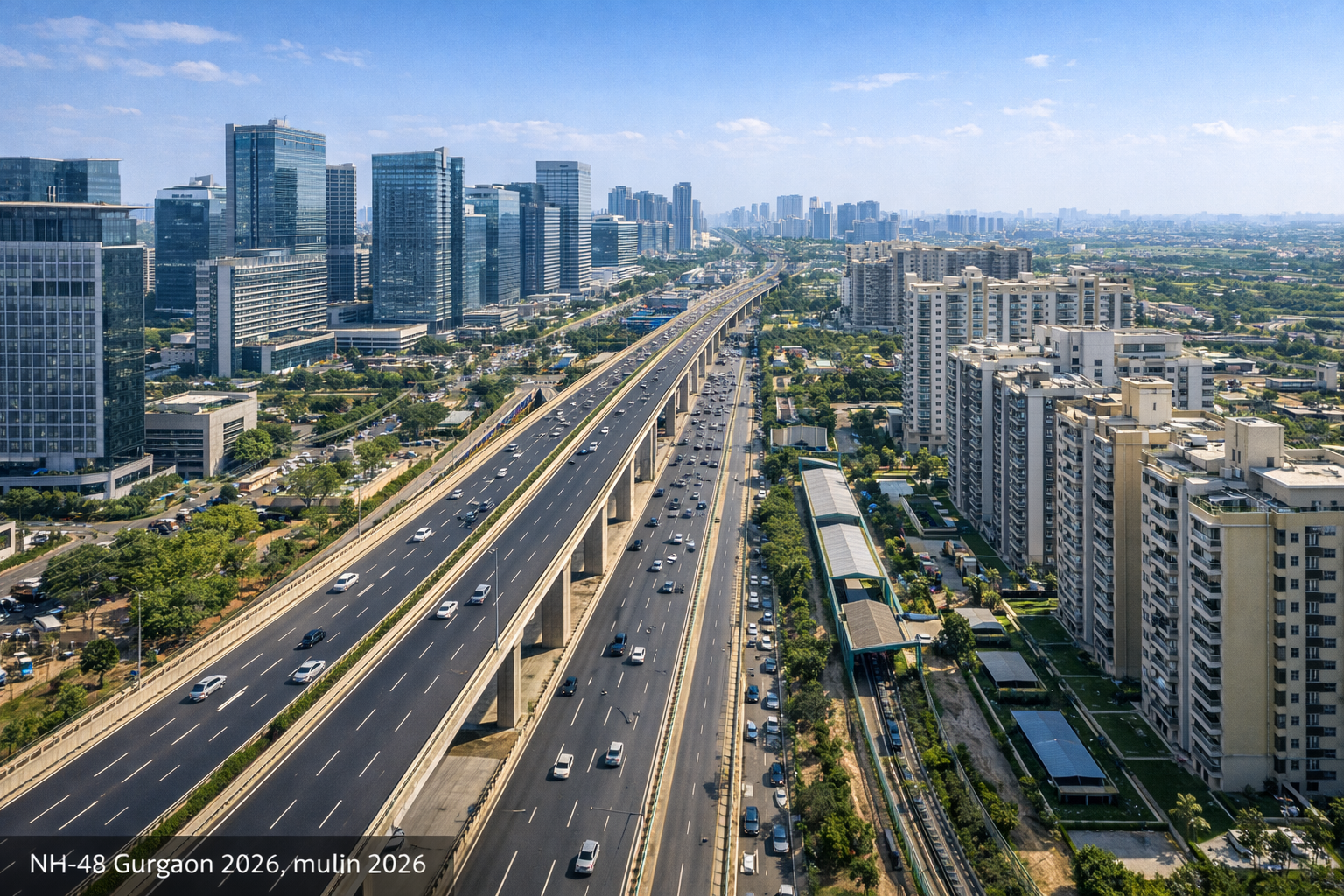
NH-48 remains Gurgaon’s commercial backbone. Elevated corridors and underpass upgrades are reducing historical congestion bottlenecks.
Micro-Markets Benefiting
• Residential demand near Cyber City remains directly linked to office occupancy.
• Udyog Vihar rental yield patterns correlate strongly with corporate leasing cycles.
• MG Road residential clusters benefit from traffic normalization.
Improved mobility increases employee satisfaction and corporate leasing confidence — indirectly supporting residential absorption.
This is rental-backed infrastructure impact.
Global City Project: Gurgaon’s Future Structured CBD
The Gurugram Global City masterplan represents long-term institutional positioning rather than short-term residential hype.
Planned elements include:
• Grade-A office zones
• Integrated retail and hospitality districts
• Walkable mixed-use planning
Investor attention is rising around surrounding sectors such as 36A, as market participants evaluate how the new commercial hub could influence property pricing through 2026–2030.
This is a slow-burn growth catalyst aligned with institutional capital behavior.
Infrastructure Comparison: Corridor Impact Snapshot (2019–2026)
Infrastructure Comparison: Corridor Impact Snapshot (2019–2026)
Infrastructure does not boost every corridor equally. Performance depends on timing and objective.
Which Corridor Fits Your Investment Goal?
If your priority is:
• Rental income stability → NH-48 & Cyber City belt
• 5–7 year capital appreciation → Dwarka Expressway sectors
• Early-stage land cycle growth → South Gurgaon & Sohna
• Balanced luxury + infrastructure stability → SPR corridor
Matching infrastructure maturity with investment horizon is the key decision filter.
Risks — and Why 2026 Is Structurally Different
Earlier Gurgaon cycles struggled with:
• Traffic chaos
• Waterlogging
• Unplanned density
The current infrastructure layer addresses these through:
• Drainage redesign
• Zoning discipline
• Integrated road networks
• Public-private execution alignment
While no market is risk-free, the 2026 Gurgaon cycle is structurally stronger than its 2013 counterpart.
Final Outlook: Infrastructure Is Gurgaon’s Growth Multiplier
Gurgaon is no longer expanding randomly. It is expanding corridor-by-corridor.
Expressways are operational. Metro links are expanding. Business districts are planned. Capital is sector-selective.
Infrastructure is not just boosting property prices — it is differentiating winners from average performers.
In 2026, understanding corridors is more important than understanding the city.
Frequently Asked Questions About Gurgaon Infrastructure and Property Prices (2026)
How exactly do infrastructure projects increase property prices in Gurgaon?
Infrastructure increases property prices in Gurgaon by reducing travel time, improving connectivity to employment hubs, and increasing buyer confidence in long-term livability. When expressways like Dwarka Expressway or corridors such as SPR become operational, demand shifts toward those sectors because commute efficiency improves and rental absorption strengthens. Historically, sectors with completed infrastructure have shown stronger appreciation cycles compared to areas dependent on future announcements.
Which Gurgaon sectors are benefiting the most from Dwarka Expressway completion?
Sectors along the Dwarka Expressway such as 102, 104, 37D, and 113 are currently among the biggest beneficiaries of expressway completion. These sectors have seen rising transaction activity due to improved airport access and Delhi connectivity. Premium and mid-premium projects in these areas are attracting both end-users and long-term investors who expect sustained appreciation over the next five to seven years.
Is South Gurgaon a good investment after the Delhi–Mumbai Expressway activation?
South Gurgaon has gained renewed investor attention after the Delhi–Mumbai Expressway strengthened regional connectivity. Sectors like 79 and 80, along with Sohna’s plotted developments, are viewed as early-cycle opportunities. While rental demand may take time to mature, land appreciation trends typically begin first in such corridors, making South Gurgaon more suitable for long-horizon investors rather than short-term rental-focused buyers.
Does metro connectivity still matter if Gurgaon’s road infrastructure is improving?
Yes, metro connectivity continues to play a crucial role in stabilizing rental demand and resale liquidity. While expressways drive capital appreciation, metro access supports daily commute reliability, especially for mid-segment buyers and corporate employees. Areas with integrated metro connectivity tend to experience stronger rental resilience during slower market cycles compared to purely road-dependent sectors.
How will the Global City project impact Gurgaon property prices in the coming years?
The Global City project is expected to influence surrounding sectors by creating a structured commercial ecosystem with Grade-A offices, retail zones, and integrated planning. Unlike scattered office growth, a planned central business district typically attracts institutional capital and long-term employment generation. Over time, this can strengthen residential demand in nearby sectors as professionals prefer housing close to structured commercial hubs.


Join The Discussion