

In most premium projects today, buyers ask about the clubhouse before they even ask about the apartment.
That shift didn’t happen overnight, but it’s clearly visible now. Buyers are no longer comparing homes only on layout or pricing. They’re trying to picture daily life—where they’ll walk, work out, spend their evenings, or simply take a break without stepping outside the project.
This change is not just about comfort. Lifestyle infrastructure increasingly influences how a project performs over time, whether in terms of rental demand, resale value, or even how long residents choose to stay.
If you’re still evaluating your options, it helps to understand the broader decision process through this guide on buying flat in Gurgaon , where lifestyle factors are now a core part of property selection.

Why This Shift Happened
Urban living has evolved. Open spaces outside have reduced, commute times have increased, and people are spending more time within their residential communities. The pandemic simply accelerated what was already happening.
Today, if basic lifestyle needs—like fitness, relaxation, or even casual social interaction—are available within the project, it significantly improves everyday convenience.
But this shift has also created a new challenge: not all “amenity-rich” projects actually deliver the lifestyle they promise.
What “Amenity-Rich” Really Means

A long list of amenities doesn’t automatically translate into a better living experience.
Most projects now include a gym, a swimming pool, and some form of clubhouse. That’s no longer a differentiator. The real value lies in how well these spaces are planned and whether they remain usable once the project is fully occupied.
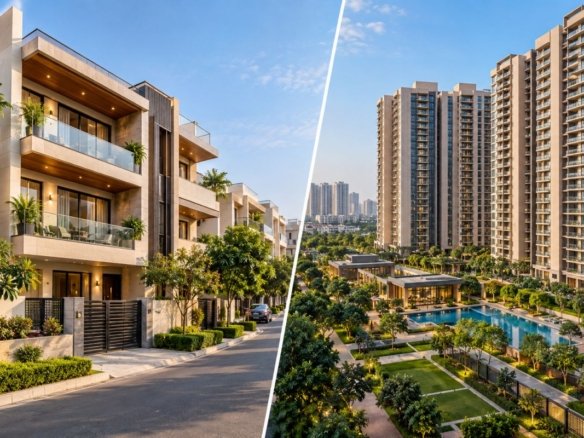
Well-designed projects create a balance between built-up areas and open spaces, ensuring that residents can actually use what is being offered. Poorly planned ones, on the other hand, often feel crowded despite having an impressive list on paper.
Where Most Buyers Misjudge

The biggest mistake buyers make is trusting the brochure too much.
Everything looks complete on paper—multiple amenities, large clubhouse areas, landscaped zones—but real issues start appearing once people begin living there. Spaces feel smaller than expected, usage becomes congested, and maintenance struggles to keep up.
This is where design efficiency matters more than feature count.
Even factors like density and vertical living impact experience. For example, understanding floor height premium in high-rise projects can give you a clearer idea of how crowding and views affect daily comfort.
Amenities and Property Value — The Real Link
Amenities do contribute to property value, but only when they are genuinely usable.
Projects with well-planned lifestyle infrastructure tend to attract better tenants, maintain lower vacancy rates, and generate stronger resale interest. However, when planning is weak, this advantage disappears quickly.
In other words, amenities don’t create value on their own—execution does.
How Different Buyers Evaluate Amenities
Different buyer segments look at the same amenities very differently.
Families typically focus on safety, children’s play areas, and a sense of community. In fact, many of these considerations overlap with what’s discussed in child-friendly residential projects in Gurgaon, where usability becomes more important than just availability.
Working professionals, on the other hand, prioritize convenience. Access to a gym, co-working areas, and quiet spaces within the project can significantly improve daily routines. With remote work becoming more common, insights from smart homes in Gurgaon also become relevant when evaluating long-term usability.
Senior residents often look for calmer environments, with walking areas, seating spaces, and lower crowd density.
Are These Projects Always More Expensive?
In most cases, yes—but price alone doesn’t tell the full story.
Well-planned projects tend to stay better maintained, attract a more stable resident profile, and hold their value over time. At the same time, overpaying for poorly designed amenities doesn’t provide any real benefit.
Some buyers also compare formats before deciding. This guide on luxury floors vs luxury apartments explains how access to shared spaces differs across formats
What You Should Actually Check

A site visit reveals far more than any brochure.
Instead of just looking at amenities, observe how they are being used. If the gym already feels crowded, or if open spaces look more decorative than functional, those patterns are unlikely to improve later.
It’s also important to understand how many units share the same facilities, how maintenance is handled, and whether the layout supports everyday usage.
As you evaluate different new residential projects in Gurgaon, these practical observations matter far more than feature lists.
Unit-level decisions also impact overall experience. This comparison of corner vs mid unit apartments explains how layout positioning influences comfort and resale.
Common Mistakes Buyers Make
Many buyers end up making similar mistakes while evaluating amenity-heavy projects. They rely too heavily on brochures, assume that more features automatically mean better living, and often ignore how many residents will actually share those facilities.
Another common issue is visiting projects during non-peak hours, which hides real usage patterns. Maintenance quality is also overlooked, even though it directly affects long-term experience.
Where These Projects Work Best
Amenity-rich projects work best when planning and scale are aligned.
Locations like Golf Course Extension Road and parts of New Gurgaon often offer better-planned developments with more balanced layouts. However, even within strong locations, project-level execution makes a significant difference.
If you’re trying to narrow down options geographically, this guide on best sectors in Gurgaon can help you identify where such developments are concentrated.
Amenity-Rich vs Poorly Planned Projects
| Factor | Well-Planned Project | Poorly Planned Project |
|---|---|---|
| Clubhouse Usage | Comfortable, balanced usage | Crowded, overused spaces |
| Open Spaces | Functional, usable layouts | Decorative or limited |
| Maintenance | Consistent, well-managed | Declines over time |
| Resident Experience | Comfortable, practical living | Frustrating, inconvenient |
Who Should Choose This?
These projects are ideal for buyers who value convenience and daily lifestyle integration. Families, working professionals, and long-term end-users benefit the most, especially when they actively use shared spaces.
They are also suitable for investors targeting premium tenants who prioritize lifestyle within the residential complex.
Who Should Avoid This?
Buyers focused purely on minimizing maintenance costs or those who rarely use shared amenities may not find much value here. Similarly, short-term investors looking for low entry prices may find better opportunities elsewhere.
Final Take

Amenity-rich projects can significantly improve daily living—but only when those amenities are actually usable.
Some developments get this balance right, creating spaces that people genuinely use every day. Others focus more on presentation, which starts to show once the project becomes fully occupied.
If you’re comparing options, browsing New Projects in Gurgaon can give you a clearer understanding of how different developers approach clubhouse design, space planning, and long-term usability.
Frequently Asked Questions
Do lifestyle amenities really increase resale value?
In most cases, yes. But only when they’re actually usable and well maintained.
Are clubhouse projects good for rental income?
Usually, yes — especially with families and working professionals.
How do I know if amenities are genuinely usable?
Visit the project. If it already feels crowded, it’s unlikely to improve later.
Do all luxury projects have good amenities?
Not really. Some focus more on interiors than shared spaces.
Is higher maintenance a problem in such projects?
It’s higher, yes. Whether it feels worth it depends on how well things are managed.



Join The Discussion