
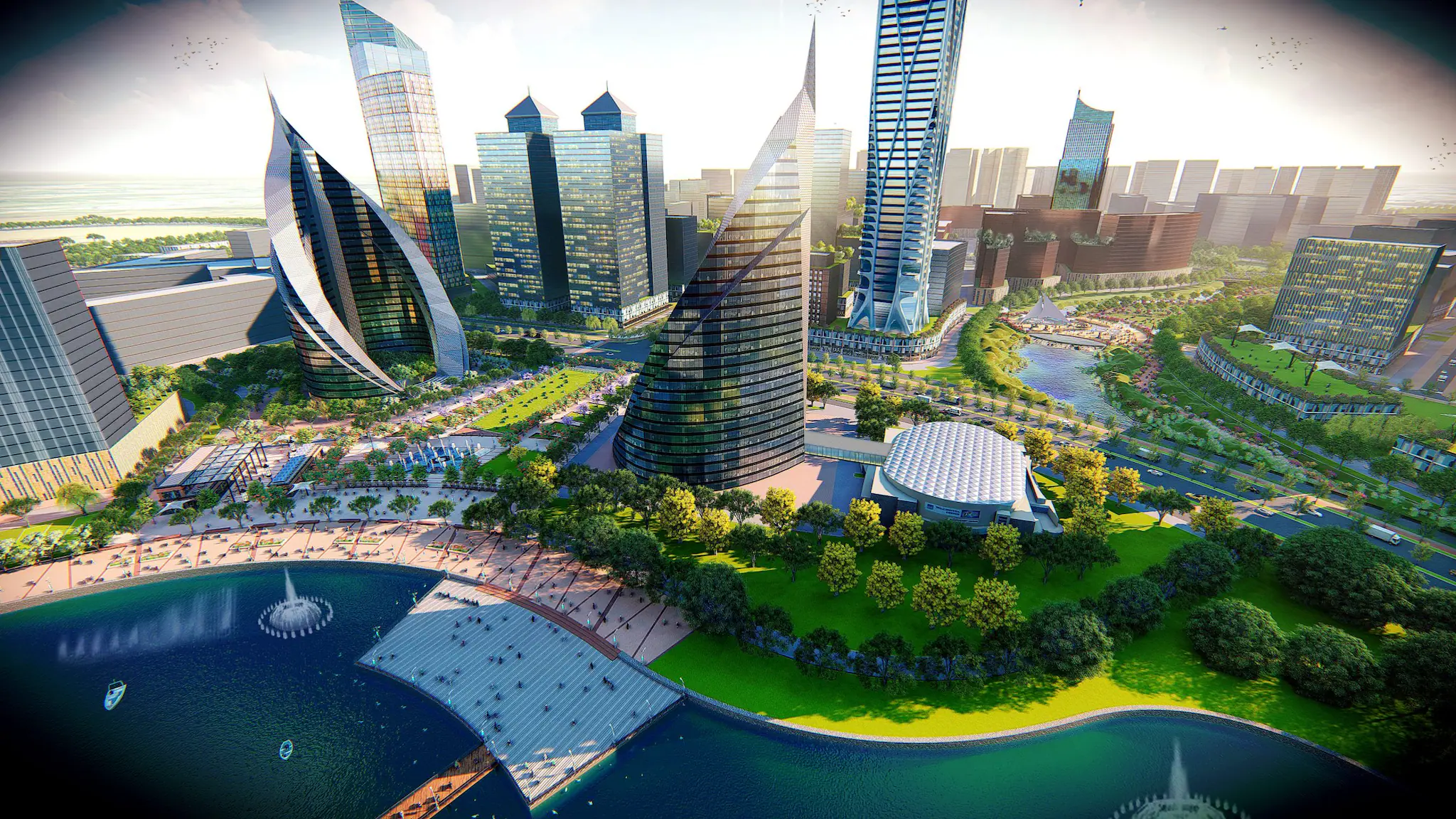
Gurgaon’s transformation is no longer driven by speculation—it is driven by infrastructure.
Over the past decade, expressways, metro expansion, and large-scale urban planning have fundamentally changed how real estate performs across different sectors. In 2026, investors are not just buying property—they are buying into infrastructure-led growth corridors.
To understand how connectivity is shaping pricing, many investors begin by analyzing the metro expansion impact Gurgaon property prices, which highlights how transport networks influence demand, rental yield, and long-term value.
This article breaks down how infrastructure is impacting location performance, which corridors are leading growth, and how to align investment strategy with the right stage of development.
How Infrastructure Shapes Property Prices
Infrastructure affects real estate through measurable changes in daily life and economic activity.
When connectivity improves, travel time reduces. When commute becomes predictable, demand increases. When demand strengthens, property prices follow.

Between 2019 and 2026, infrastructure-backed sectors in Gurgaon have recorded price appreciation ranging from 25% to 60%, depending on their stage of development and supply dynamics.
This is not driven by hype—it is driven by usability.
Location Comparison: Gurgaon’s Key Growth Corridors

Gurgaon’s real estate market is now corridor-driven. Each corridor represents a different stage of growth, risk profile, and return potential.
| Corridor | Appreciation Trend (2019–2026) | Demand Type | Risk Level |
|---|---|---|---|
| Dwarka Expressway | 35%–60% | Premium + NRI | Medium |
| SPR (Southern Peripheral Road) | 25%–40% | Luxury + End-user | Low–Medium |
| South Gurgaon (Sohna Belt) | Early double-digit (land cycle) | Long-term investors | Medium–High |
| NH-48 Belt | Rental-stable | Corporate-driven | Low |

Dwarka Expressway: High-Visibility Growth Corridor
Dwarka Expressway has emerged as one of Gurgaon’s most talked-about investment zones. Its direct connectivity to Delhi and IGI Airport has made it a preferred destination for both investors and end-users.
Sectors such as 102, 104, and 37D have already seen strong appreciation, driven by infrastructure completion and increasing occupancy.

Compared to mature corridors, Dwarka Expressway still offers future growth potential, especially as connectivity and commercial ecosystems continue to develop.
Southern Peripheral Road (SPR): Balanced Premium Corridor

The SPR corridor represents a more stable, mid-cycle growth market.
Connecting Golf Course Extension Road to NH-48 and Sohna Road, SPR offers a balance of luxury housing, infrastructure maturity, and steady demand. Sectors like 65 and 66 are already established premium zones, while nearby sectors continue to benefit from spillover demand.
The growth here is not speculative—it is structured and gradual.
For investors analyzing urban planning trends, it is useful to study the smart cities impact on Gurgaon real estate, which explains how planned infrastructure is shaping corridors like SPR.
South Gurgaon & Sohna: Early-Stage Expansion Corridor

South Gurgaon, including Sohna, represents the early stage of the real estate cycle.
Infrastructure developments such as the Delhi–Mumbai Expressway and Sohna Elevated Road are unlocking new land value and attracting long-term investors.
Unlike mature markets, this corridor is still in its expansion phase. Returns here are driven by land appreciation and future development rather than immediate rental income.
Investors comparing growth potential often evaluate Dwarka Expressway vs Sohna Road investment to understand the difference between early-stage and mid-cycle markets.
NH-48 Corridor: Rental-Driven Stability Zone

The NH-48 belt remains Gurgaon’s commercial backbone. Proximity to Cyber City and Udyog Vihar ensures strong rental demand and consistent occupancy.
Infrastructure upgrades have improved traffic flow, making this corridor even more attractive for working professionals.
Unlike growth corridors, NH-48 is a rental-driven market where stability matters more than rapid appreciation.
Infrastructure Layers: What Drives Each Corridor
Each infrastructure type plays a different role in shaping real estate performance.
- Expressways create visibility and trigger early investor entry
- Metro connectivity supports long-term demand and rental stability
- Commercial hubs drive employment and sustained absorption
- Urban planning projects ensure long-term livability
The strongest growth occurs when multiple layers align within the same corridor.
Sector-Level Performance: Why Micro-Markets Matter
Within each corridor, performance varies significantly by sector.
Some sectors benefit earlier due to proximity to key infrastructure nodes, while others take time to catch up. This is why corridor-level analysis alone is not enough.
Investors must evaluate:
- Infrastructure proximity
- Developer presence
- Demand absorption
- Price positioning
For those looking to identify early opportunities, exploring future growth locations in Gurgaon can provide deeper insight into emerging micro-markets.
Investment Strategy: Matching Corridor with Goal

Each corridor aligns with a different investment objective.
Dwarka Expressway suits investors looking for medium-term capital appreciation.
SPR is ideal for those seeking a balance between stability and premium positioning.
South Gurgaon and Sohna are better suited for long-term investors targeting early-stage growth.
NH-48 is best for rental-focused investors prioritizing consistent income.
The key is not choosing the “best” corridor—but choosing the right one for your financial strategy.
Risks and Market Realities
Despite strong infrastructure growth, risks remain.
Execution delays, oversupply in certain pockets, and uneven development across sectors can impact returns.
However, compared to earlier cycles, Gurgaon’s infrastructure ecosystem is now more structured, with better planning, improved drainage systems, and stronger coordination between public and private stakeholders.
This makes the 2026 cycle more stable than previous ones.
Final Outlook: Infrastructure Defines Winners
Gurgaon is no longer growing randomly—it is expanding corridor by corridor.
Infrastructure is now the primary factor determining which sectors outperform and which remain average.
Investors who understand location comparison, infrastructure timing, and growth corridors will consistently identify better opportunities.
In 2026, success in Gurgaon real estate is not about following trends—it is about following infrastructure.
Frequently Asked Questions About Gurgaon Infrastructure and Property Prices (2026)
How exactly do infrastructure projects increase property prices in Gurgaon?
Infrastructure increases property prices in Gurgaon by reducing travel time, improving connectivity to employment hubs, and increasing buyer confidence in long-term livability. When expressways like Dwarka Expressway or corridors such as SPR become operational, demand shifts toward those sectors because commute efficiency improves and rental absorption strengthens. Historically, sectors with completed infrastructure have shown stronger appreciation cycles compared to areas dependent on future announcements.
Which Gurgaon sectors are benefiting the most from Dwarka Expressway completion?
Sectors along the Dwarka Expressway such as 102, 104, 37D, and 113 are currently among the biggest beneficiaries of expressway completion. These sectors have seen rising transaction activity due to improved airport access and Delhi connectivity. Premium and mid-premium projects in these areas are attracting both end-users and long-term investors who expect sustained appreciation over the next five to seven years.
Is South Gurgaon a good investment after the Delhi–Mumbai Expressway activation?
South Gurgaon has gained renewed investor attention after the Delhi–Mumbai Expressway strengthened regional connectivity. Sectors like 79 and 80, along with Sohna’s plotted developments, are viewed as early-cycle opportunities. While rental demand may take time to mature, land appreciation trends typically begin first in such corridors, making South Gurgaon more suitable for long-horizon investors rather than short-term rental-focused buyers.
Does metro connectivity still matter if Gurgaon’s road infrastructure is improving?
Yes, metro connectivity continues to play a crucial role in stabilizing rental demand and resale liquidity. While expressways drive capital appreciation, metro access supports daily commute reliability, especially for mid-segment buyers and corporate employees. Areas with integrated metro connectivity tend to experience stronger rental resilience during slower market cycles compared to purely road-dependent sectors.
How will the Global City project impact Gurgaon property prices in the coming years?
The Global City project is expected to influence surrounding sectors by creating a structured commercial ecosystem with Grade-A offices, retail zones, and integrated planning. Unlike scattered office growth, a planned central business district typically attracts institutional capital and long-term employment generation. Over time, this can strengthen residential demand in nearby sectors as professionals prefer housing close to structured commercial hubs.

Join The Discussion