
Real estate is entering a phase where past performance is no longer a reliable predictor of future returns. Changing demographics, work patterns, interest rate cycles, urban infrastructure, and sustainability norms are reshaping which property types will outperform in the next five years. For investors, developers, and even end-users, understanding these structural shifts is critical to making smart, future-proof decisions.
Rather than asking whether real estate will perform well, the more relevant question today is which type of property will deliver the best risk-adjusted returns over the next five years. The answer lies in demand durability, income stability, regulatory alignment, and long-term usability—not speculation.
Why the Next 5 Years Will Be Different for Real Estate
The coming five years will not mirror the previous real estate cycle. Earlier growth was largely driven by cheap liquidity and rapid price appreciation. Going forward, performance will be defined by cash flow strength, tenant quality, sustainability, and location relevance.
Higher borrowing costs, stricter compliance norms, and more informed buyers mean that only fundamentally strong property types will thrive. Assets that solve real problems—housing affordability, workspace quality, logistics efficiency, and urban convenience—will consistently outperform.
Residential Property: End-User–Driven Housing Will Stay Resilient
Residential real estate will continue to be a strong performer, but not all housing segments will see equal gains. End-user–driven residential properties, particularly mid-income and premium housing in well-connected urban and suburban locations, are likely to perform best.
Demand for homes is being driven by nuclear families, lifestyle upgrades, and long-term ownership rather than short-term flipping. Properties located near employment hubs, infrastructure corridors, and social amenities will enjoy steady appreciation and liquidity. In contrast, oversupplied luxury segments and speculative investor-driven projects may see muted growth.
Rental Housing and Co-Living: Steady Income Over Speculation
Rental-focused residential assets are gaining prominence as affordability challenges delay home ownership for many urban professionals. Purpose-built rental housing and co-living properties offer predictable cash flows and lower vacancy risks, especially in cities with strong job markets.
Over the next five years, professionally managed rental assets are expected to outperform traditional buy-to-let investments due to better tenant retention, scalability, and regulatory clarity. This segment favors investors seeking income stability rather than aggressive capital appreciation.
Commercial Offices: Grade A Will Win, Obsolete Stock Will Struggle
Office real estate remains relevant, but performance will be highly selective. Grade A, green-certified office buildings in prime locations are likely to outperform significantly over the next five years. Corporates are consolidating into fewer but better-quality offices that support productivity, ESG goals, and employee well-being.
Older office buildings with poor infrastructure, inefficient layouts, or weak connectivity will face declining demand and pricing pressure. The future of office performance lies in quality, flexibility, and sustainability—not sheer size.
Retail Real Estate: Experience-Led Assets Will Outperform
Traditional high-street retail faces pressure, but experience-driven retail assets such as destination malls, mixed-use developments, and high-footfall urban centers will perform well. Consumers are spending more on experiences, dining, and social interaction, which physical retail can uniquely offer.
Retail properties integrated with residential and office developments will see better occupancy and rental growth than standalone formats. The next five years will reward retail assets that adapt to changing consumer behavior rather than resist it.
Warehousing and Logistics: One of the Strongest Long-Term Performers
Warehousing and logistics real estate is widely expected to be among the best-performing property types in the coming five years. The growth of e-commerce, quick commerce, organized retail, and manufacturing has created sustained demand for modern logistics infrastructure.
Grade A warehouses near major consumption centers and transport corridors offer long leases, stable tenants, and lower management intensity. This segment benefits from strong structural demand and relatively limited oversupply, making it highly attractive for long-term investors.
Data Centers and Digital Infrastructure: Emerging High-Growth Assets
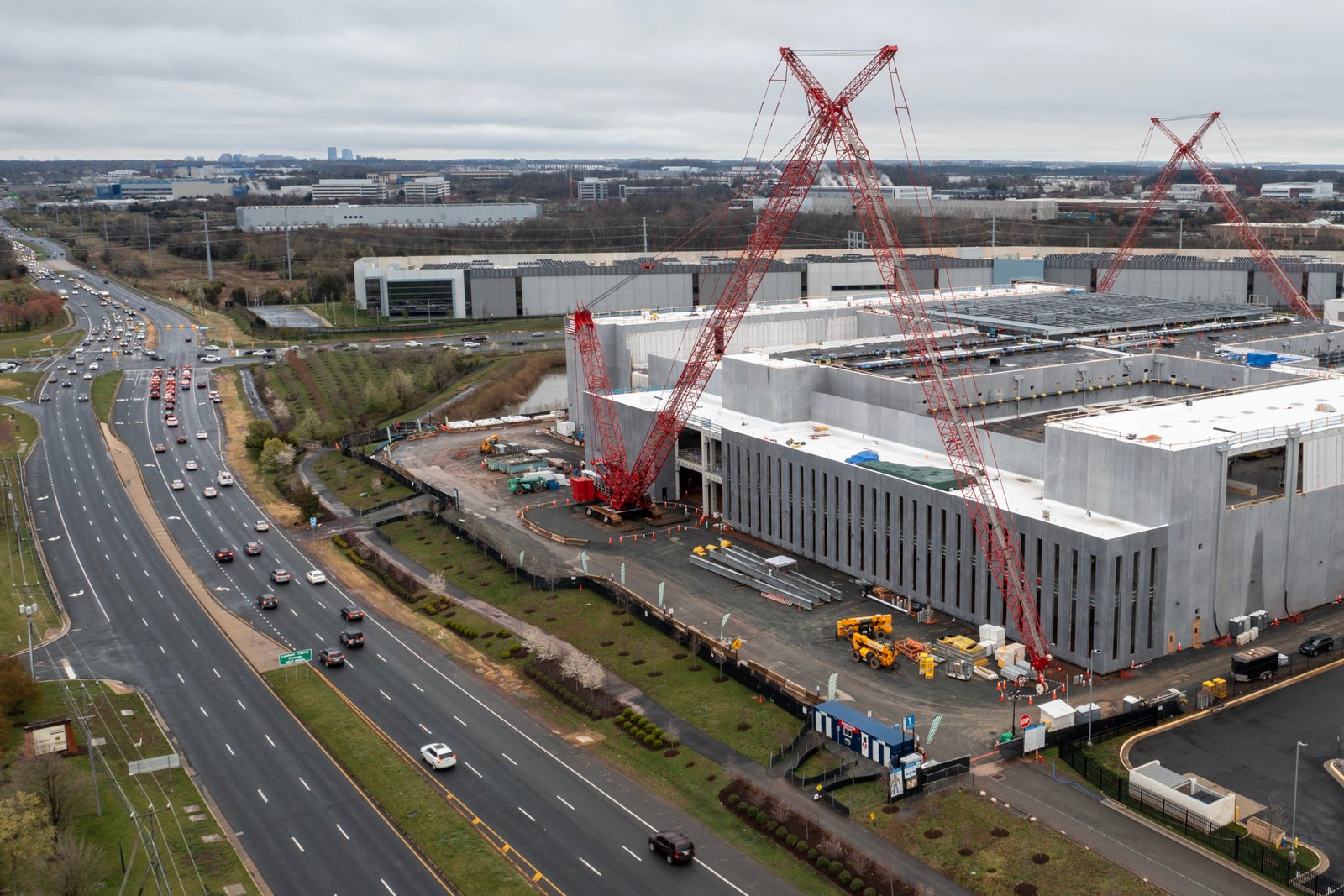
Digital infrastructure, particularly data centers, is emerging as a high-growth real estate asset class. Increasing cloud adoption, AI workloads, and data consumption are driving demand for specialized, capital-intensive properties.
While entry barriers are high, data centers offer long-term leases, strong tenant stickiness, and inflation-protected returns. Over the next five years, this niche segment is expected to outperform traditional real estate categories in select markets.
Mixed-Use Developments: The Power of Diversification
Mixed-use developments combining residential, office, retail, and hospitality functions are well-positioned for strong performance. These assets reduce reliance on a single demand driver and create self-sustaining ecosystems.
As urban land becomes scarce and lifestyle preferences evolve, mixed-use properties offer resilience against market volatility. Investors benefit from diversified income streams, while end-users enjoy convenience and community living.
Risks to Watch Before Choosing a Property Type
While some property types show strong potential, risks remain. Over-leveraging, regulatory changes, poor location selection, and ignoring sustainability norms can erode returns. Investors should focus on demand fundamentals rather than market hype.
Properties that lack flexibility or long-term usability may struggle, even if they appear attractive today. Due diligence, developer credibility, and micro-market analysis will be crucial over the next five years.
So, What Type of Property Will Perform Best?
There is no single universal winner, but warehousing, Grade A offices, end-user residential housing, rental-focused assets, and digital infrastructure are likely to deliver the strongest performance over the next five years. The common thread across these segments is real demand, long-term relevance, and income visibility.
The best-performing properties will be those that align with how people live, work, shop, and consume services—not how markets behaved in the past.
Frequently Asked Questions (FAQs)
Which property type is safest to invest in over the next five years?
End-user–driven residential housing and Grade A commercial assets are considered among the safest due to stable demand and regulatory clarity.
Will residential or commercial property perform better?
Both can perform well, but commercial assets like warehousing and premium offices offer stronger rental visibility, while residential offers better liquidity and emotional ownership value.
Is warehousing real estate overhyped?
No. Warehousing demand is supported by structural changes in consumption and supply chains, making it one of the most resilient property segments.
Are data centers suitable for individual investors?
Data centers typically require high capital and technical expertise, making them more suitable for institutional or pooled investment platforms.
Should I avoid luxury real estate in the next five years?
Not entirely, but luxury segments are more sensitive to economic cycles. Selectivity and location quality are critical in this category.
What matters more: property type or location?
Location still matters most. Even the best-performing property type can underperform in a weak or oversupplied micro-market.



Join The Discussion