
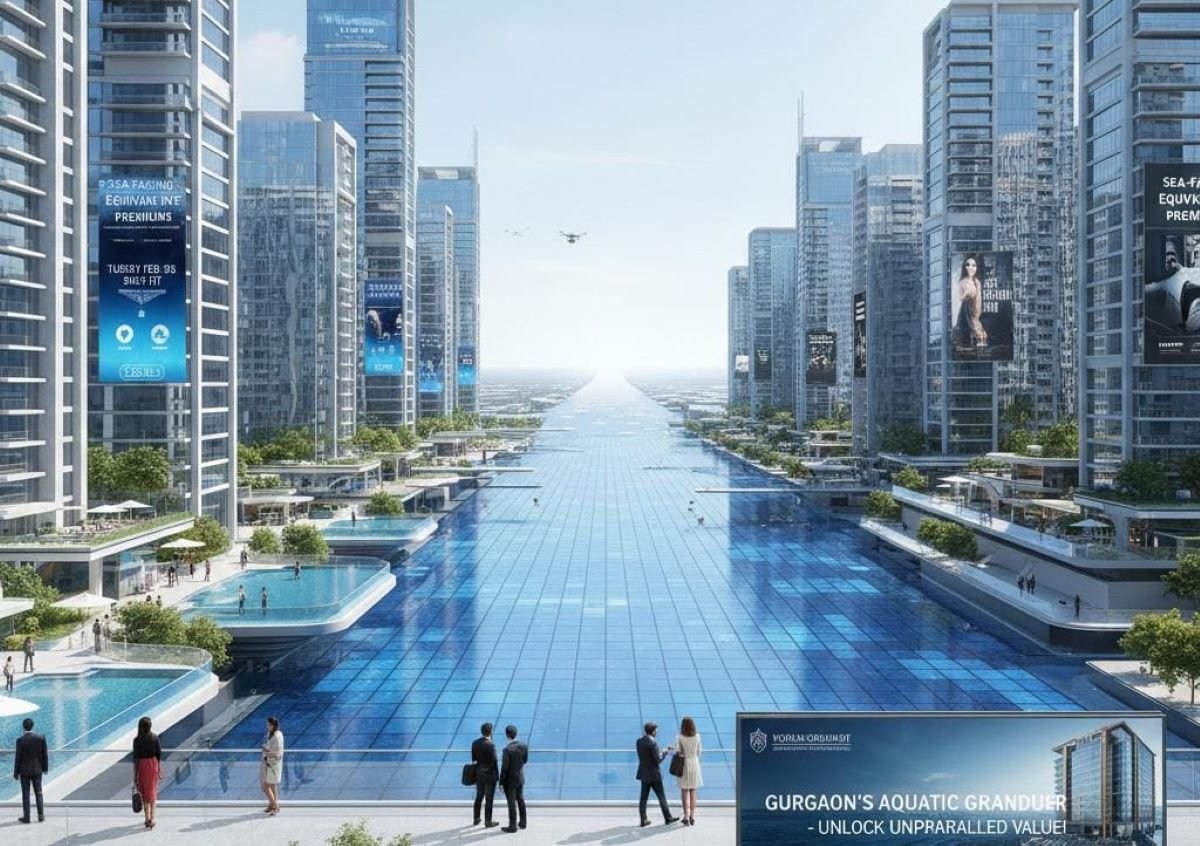
For decades, sea-facing homes in cities like Mumbai, Goa, and Chennai have commanded a premium. Buyers don’t just pay for the property—they pay for the openness, the view, and what it represents.
Gurgaon, of course, has no coastline.
Yet this question is coming up more often now, especially among luxury buyers and investors:
Can Gurgaon create the same kind of premium without the sea?
The answer isn’t a simple yes or no.
But the pattern is already visible.
What Actually Drives Sea-Facing Premiums
The value of a sea-facing home isn’t just about water.
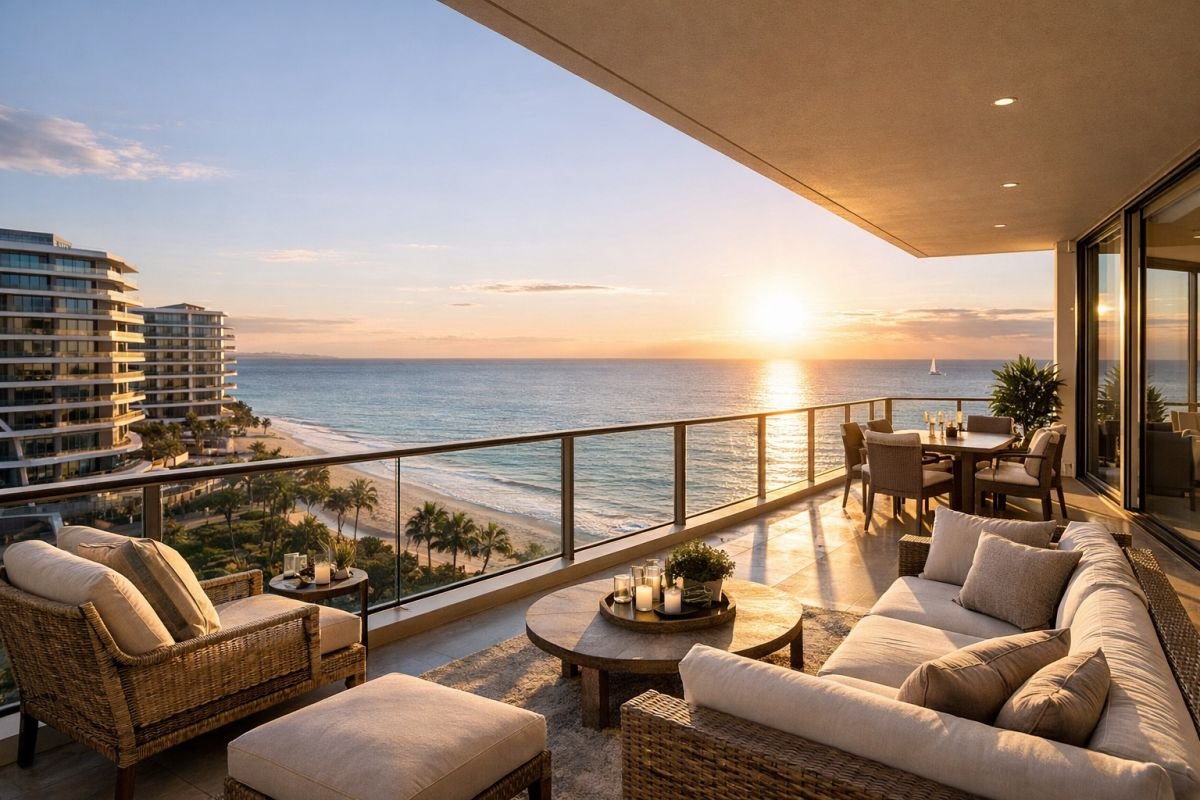
It comes from a mix of factors that are difficult to replicate.
At a basic level:
- The view stays open. It can’t be blocked later
- There’s a sense of space and light
- Supply is naturally limited
- It signals status without explanation
That’s what buyers are really paying for.
Gurgaon’s Version of the Same Idea
Gurgaon doesn’t have the sea.
But it has created its own set of premium view categories.
Some of them are already behaving like sea-facing assets.
Golf-Facing Homes
This is the closest match.
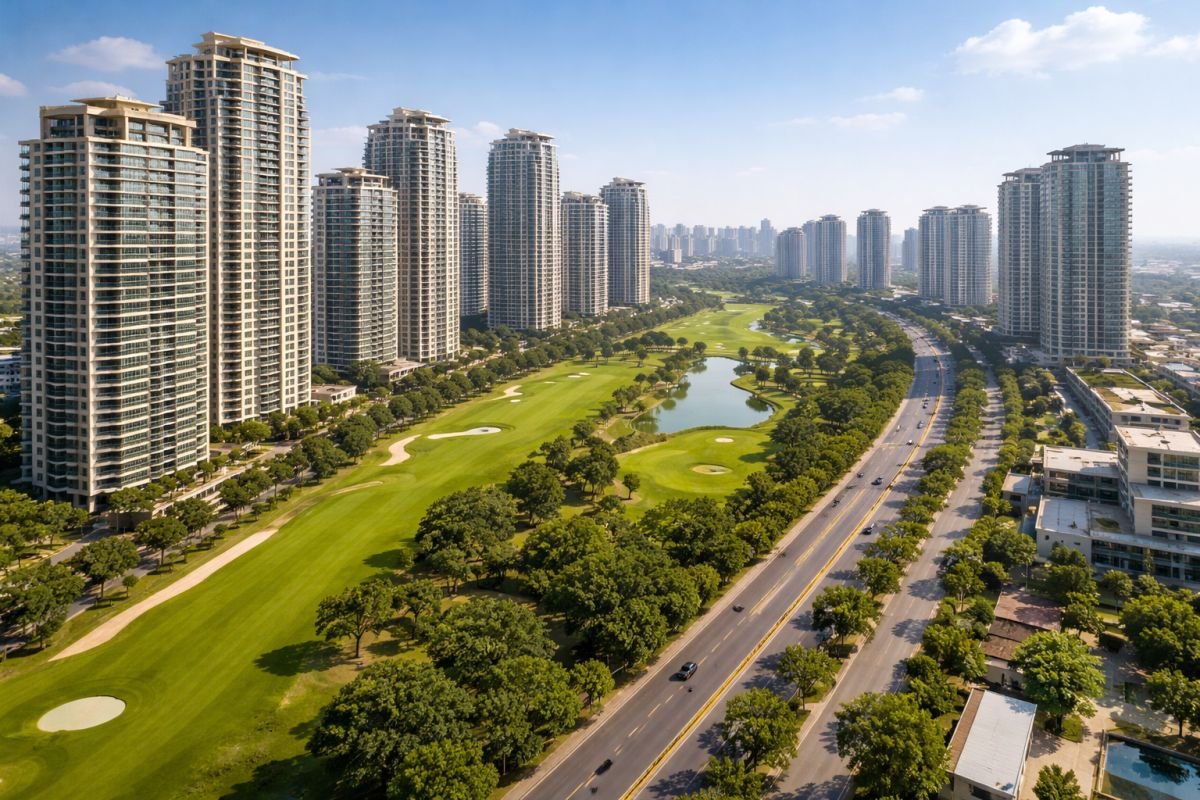
Homes along Golf Course Road and Golf Course Extension Road face large, protected greens. These views are unlikely to change.
That matters.
In several projects, golf-facing units sell at a 20–30% premium within the same tower.
Not because of size.
Just the view.
Aravalli-Facing Homes
In parts of South Gurgaon and the Faridabad side, the Aravalli range creates a natural edge.
You get elevation.
Green cover.
And a view that’s hard to block.
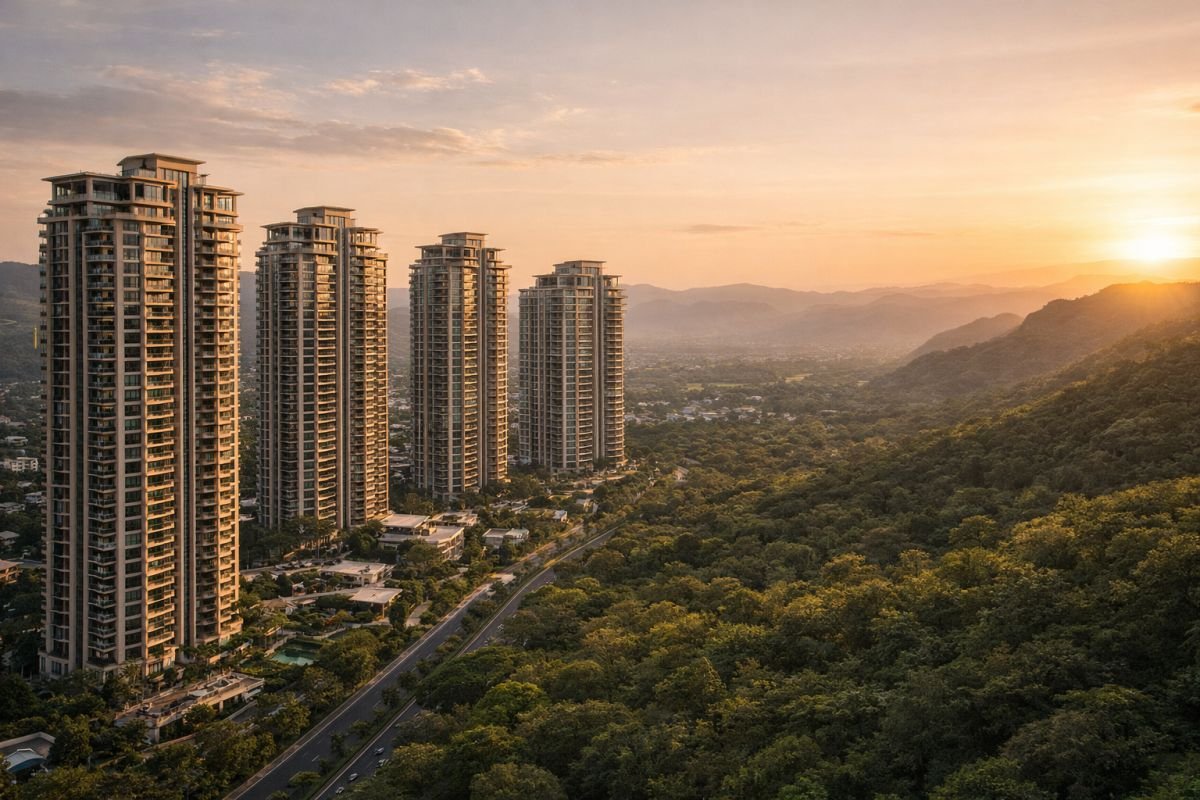
That combination doesn’t exist everywhere.
Which is why buyers notice it.
Lake-Facing Developments
Some newer projects have introduced water bodies or artificial lakes.
They’re not the sea.
But they create a similar feeling.
Open edge.
Calm surroundings.
Better light through the day.
For many buyers, that’s enough.
Skyline and Penthouse Views
Then there’s the vertical version.
Top floors and penthouses with wide city views—especially 270-degree layouts—have created their own premium category.
Some buyers prefer this over greenery.
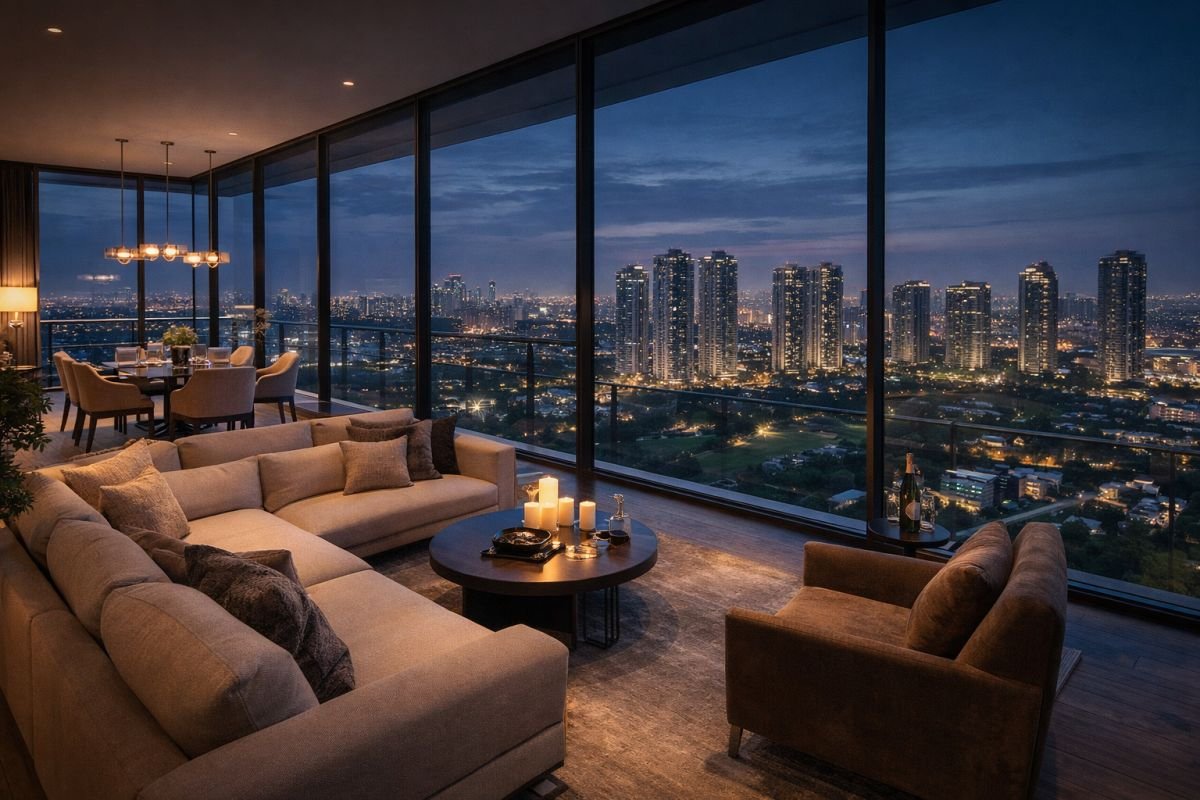
They want the skyline.
Do These Homes Actually Sell at a Premium?
Yes. And the difference is easy to spot.
- Golf-facing or Aravalli-facing units: often 20–40% higher pricing
- Premium floors and penthouses: even higher in some cases
- Same project, same layout—different pricing based on view
This isn’t theoretical.
It shows up in real transactions.
Who Is Buying These Homes?
The buyer profile has changed.
It’s no longer just traditional luxury buyers.
You’ll typically see:
- senior corporate executives
- startup founders
- NRIs
- global professionals
Many of them have lived abroad.
They’re not impressed by just square footage.
They’re looking for something that feels premium every day.
Why Gurgaon Is Competing Well
Sea-facing homes in cities like Mumbai have one advantage—location.
But they also come with trade-offs.
Older buildings.
Higher maintenance.
Complex redevelopment.
Gurgaon’s premium homes are newer.
Better planned.
And easier to manage.
That combination is starting to matter more.
What’s Driving This Demand
A few things are happening at the same time:
- more high-income buyers in NCR
- stronger corporate presence in Gurgaon
- global capital moving into luxury real estate
Demand is shifting toward a specific type of property.
Not just luxury.
But luxury with a protected view.
A Quick Reality Check
Not every “view” is worth the premium.
Some projects market internal greens or temporary openness as something special.
It isn’t always.
If the view can disappear, so can the pricing advantage.
What Happens Over Time
As Gurgaon gets denser, open views will become harder to find.
We’ve seen this before in other cities.
The more the skyline fills up, the more valuable clear views become.
That pattern doesn’t really change.
So, Can Gurgaon Match Sea-Facing Premiums?
Not in the literal sense.
But in terms of pricing logic—it already does.
Golf instead of water.
Aravalli instead of horizon.
Height instead of coastline.
Different format.
Same fundamentals.
That’s the shift.
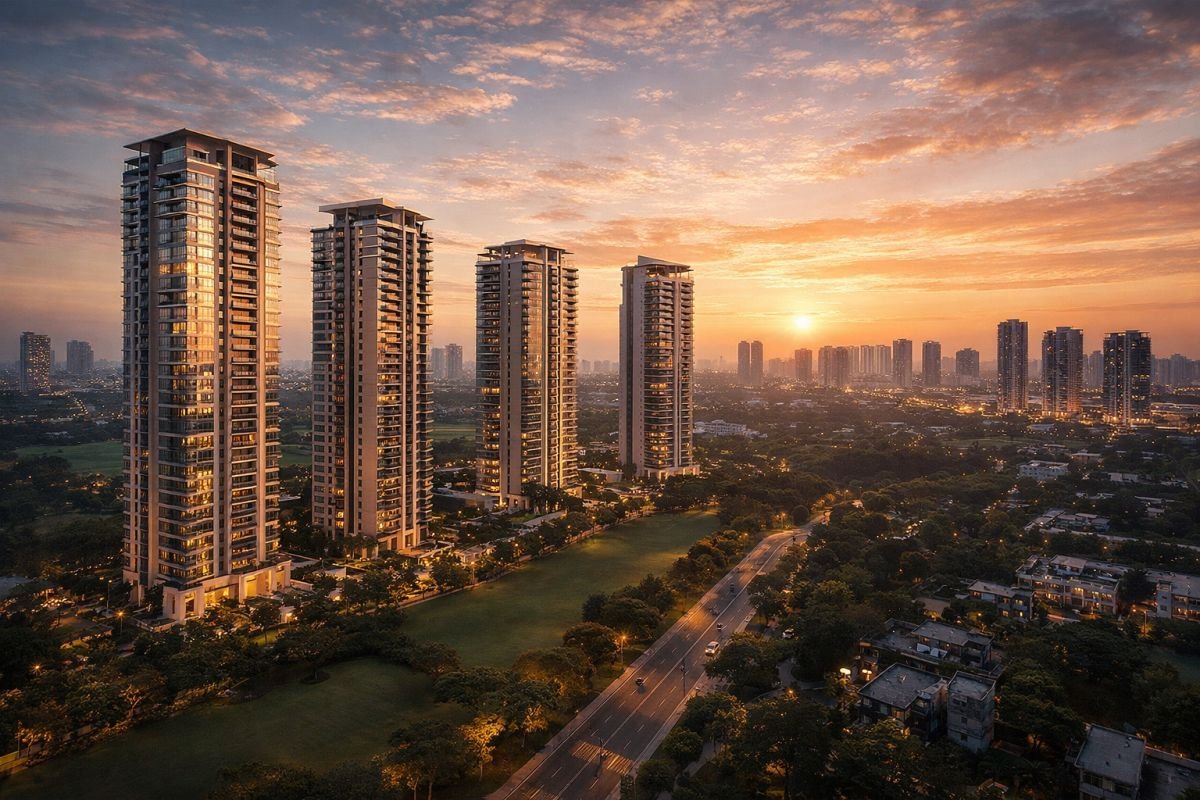
Scarcity matters.
So does permanence.
FAQs: What Buyers Usually Ask
Do people actually pay more just for the view?
Yes, they do.
If the view is open and unlikely to be blocked, buyers are willing to pay a noticeable premium. It becomes a clear differentiator—especially in competitive projects.
Between golf-facing and Aravalli-facing homes, which one is better?
There’s no fixed answer.
Golf-facing homes are more central and easier to resell.
Aravalli-facing homes feel quieter and more natural.
It usually comes down to what the buyer values more.
Are these premiums real or just developer marketing?
They’re real—but only when the view is genuine.
In projects where the view is protected, pricing differences hold.
In others, they fade quickly.
Is it risky to invest in view-based properties?
The risk is not in the idea—it’s in the execution.
If the view can be blocked in the future, the premium won’t sustain.
That’s where buyers need to be careful.
Will these premiums increase over time?
As the city becomes more built-up, open views become rarer.
That usually pushes prices higher.


Join The Discussion