
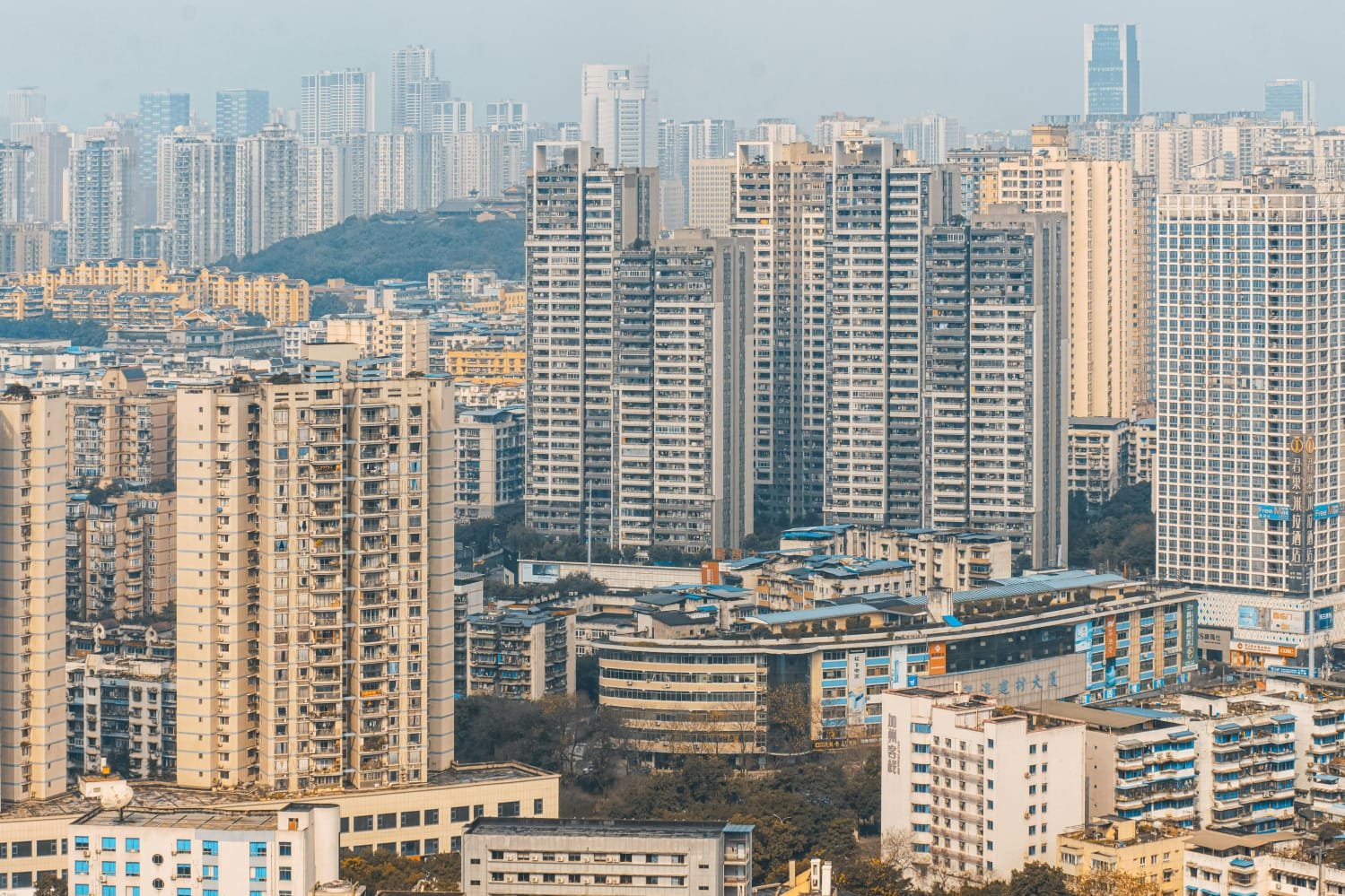
Gurgaon (Gurugram) has evolved into one of India’s most structured and capital-intensive real estate markets.
The question in 2026 is no longer whether Gurgaon will grow — it is how sustainably it will grow from here.
Most buyers asking about price predictions or investment potential are essentially asking one thing:
Is there still upside left, or has the best phase already passed?
If you’re starting your research, exploring the best real estate investment opportunities Gurgaon gives a clearer picture of where current demand and opportunity align.
Where the Market Stands Today (Cycle Positioning)

To understand 2026, you need to understand the cycle.
Between 2021–22, Gurgaon was in recovery. Demand revived, inventory reduced, and financing improved.
From 2023–24, the market entered acceleration, driven largely by infrastructure visibility across Dwarka Expressway and SPR.
By 2025, growth began to moderate.
In 2026, Gurgaon is now in an expansion–stabilization phase.
This is not early-cycle growth. It is not speculative overheating. It is structured, selective growth.
Price Trends: What the Data Actually Suggests

Any realistic outlook must acknowledge that strong appreciation has already happened in several corridors.
The current pattern suggests:
- 6–10% annual growth in mature premium corridors
- 8–12% growth in supply-constrained sectors
- Stabilization in locations where pricing moved ahead of fundamentals
The key insight is simple:
Growth will not be uniform anymore.
If you want to understand how this shift developed over time, this property price trends Gurgaon last decade analysis provides deeper clarity.
Infrastructure: Still the Biggest Growth Driver

Infrastructure continues to define Gurgaon’s pricing logic.
Dwarka Expressway, SPR, and Golf Course Extension Road remain the primary growth corridors. However, the difference in 2026 is critical:
Markets are now reacting to execution, not announcements.
Projects located near operational infrastructure will continue to see steady demand. Projects dependent on future promises will require longer holding periods.
Supply & Launch Trends

The supply side is far more disciplined than previous cycles.
Developers are facing:
- Higher construction costs
- Limited land availability in prime sectors
- Greater regulatory compliance
As a result, new launches are entering at higher base prices, reducing short-term arbitrage opportunities.
At the same time, controlled supply is supporting price stability — which is why Gurgaon is not showing sharp corrections despite global uncertainties.
Investment Strategy: What Actually Works in 2026

Investment strategy today is no longer about chasing growth blindly.
It is about balancing:
- Risk
- Timing
- Liquidity
- Demand visibility
This is also where many investors struggle — whether to prioritize appreciation or income.
If you’re facing this decision, understanding capital appreciation vs rental yield becomes critical to structuring your investment correctly.
The most successful investors today are not chasing hype. They are aligning with demand.
Sector-Level Reality (Why Location Matters More Than Ever)

Micro-market selection is now the most important decision.
Dwarka Expressway continues to attract long-term investors due to infrastructure-led growth. Golf Course Extension Road offers stability with premium positioning. New Gurgaon provides value entry, but requires careful sector selection.
SPR is evolving into a mixed opportunity zone — balancing growth and risk depending on execution timelines.
This is no longer a city-level market.
It is a corridor-driven investment ecosystem.
Rental Yield vs Appreciation: A Balanced View

Rental yields in Gurgaon remain moderate:
- Residential: 3–5%
- Commercial: 7–11%
While appreciation remains the primary driver for residential investments, income stability is becoming increasingly important in decision-making.
This shift reflects a more mature investor mindset in 2026.
Timing Decision: Buy Now or Wait?
Timing in Gurgaon is no longer about finding the lowest price.
It is about entering at the right stage of the cycle.
Buying early works when:
- Infrastructure execution is visible
- Developer credibility is strong
- Pricing reflects current reality
Waiting works when:
- Pricing is ahead of livability
- Supply is high
- Demand is uncertain
If you want a structured breakdown of timing decisions, this right time to invest in Gurgaon real estate guide provides a clearer framework.
Expected Appreciation by Corridor (2026 Outlook)
| Corridor / Segment | Expected Growth | Risk Level | Buyer Type |
|---|---|---|---|
| Dwarka Expressway | 8–12% | Moderate | Long-term investors |
| Golf Course Extension Road | 6–10% | Low–Moderate | Premium end-users |
| New Gurgaon | 6–9% | Moderate | Family buyers |
| SPR (Retail / SCO) | 8–11% yield | Moderate–High | Income-focused investors |
Final Verdict: Is 2026 a Good Time to Invest?

Yes — but selectively.
Gurgaon in 2026 is not a speculative market. It is a structured, data-driven investment environment.
Success now depends on:
- Location selection
- Developer credibility
- Timing within the cycle
- Demand alignment
If you want a complete breakdown before making a decision, this Gurgaon investment location guide will help you evaluate micro-markets more precisely.
The market is no longer forgiving.
But for investors who approach it strategically, it continues to offer strong, sustainable opportunities.
Frequently Asked Questions (FAQs)
Is Gurgaon property already too expensive to enter in 2026?
Not uniformly. Certain corridors, especially along Dwarka Expressway and Golf Course Extension Road, have already witnessed significant appreciation between 2022 and 2024. However, pricing in 2026 reflects stabilization rather than unchecked inflation. Entry feasibility now depends more on micro-market maturity, supply discipline, and infrastructure completion than on headline city-wide averages.
Will Gurgaon see another 30–40% price jump like 2023–2024?
A repeat of the sharp 2023–2024 acceleration is unlikely in the current cycle phase. That rally was driven by infrastructure re-rating and post-pandemic demand revival. In 2026, the market is operating in an expansion-stabilization phase, where steady single-digit to low double-digit appreciation is more realistic than speculative surges.
Is rental income strong enough to justify investing in Gurgaon in 2026?
Rental strength varies by asset class. Luxury residential properties generally offer moderate yields, while Grade-A offices and SCO formats provide comparatively stronger income visibility. Investors in 2026 are increasingly evaluating rental sustainability alongside capital appreciation rather than relying solely on price growth expectations.
Which type of buyer benefits most from entering the Gurgaon market in 2026?
Long-term end-users and disciplined investors are best positioned. The current cycle favors buyers prioritizing location quality, developer credibility, and holding power over short-term flipping strategies. The market rewards structured capital allocation rather than speculative entry.
Is it safer to buy ready-to-move property instead of under-construction projects in 2026?
Safety depends on due diligence and financial clarity. Ready-to-move assets reduce execution risk and enable immediate rental generation, while under-construction projects may offer better entry pricing and staged appreciation potential. In 2026, prioritizing regulatory compliance and developer balance sheet strength is more important than the construction stage itself.



Join The Discussion