
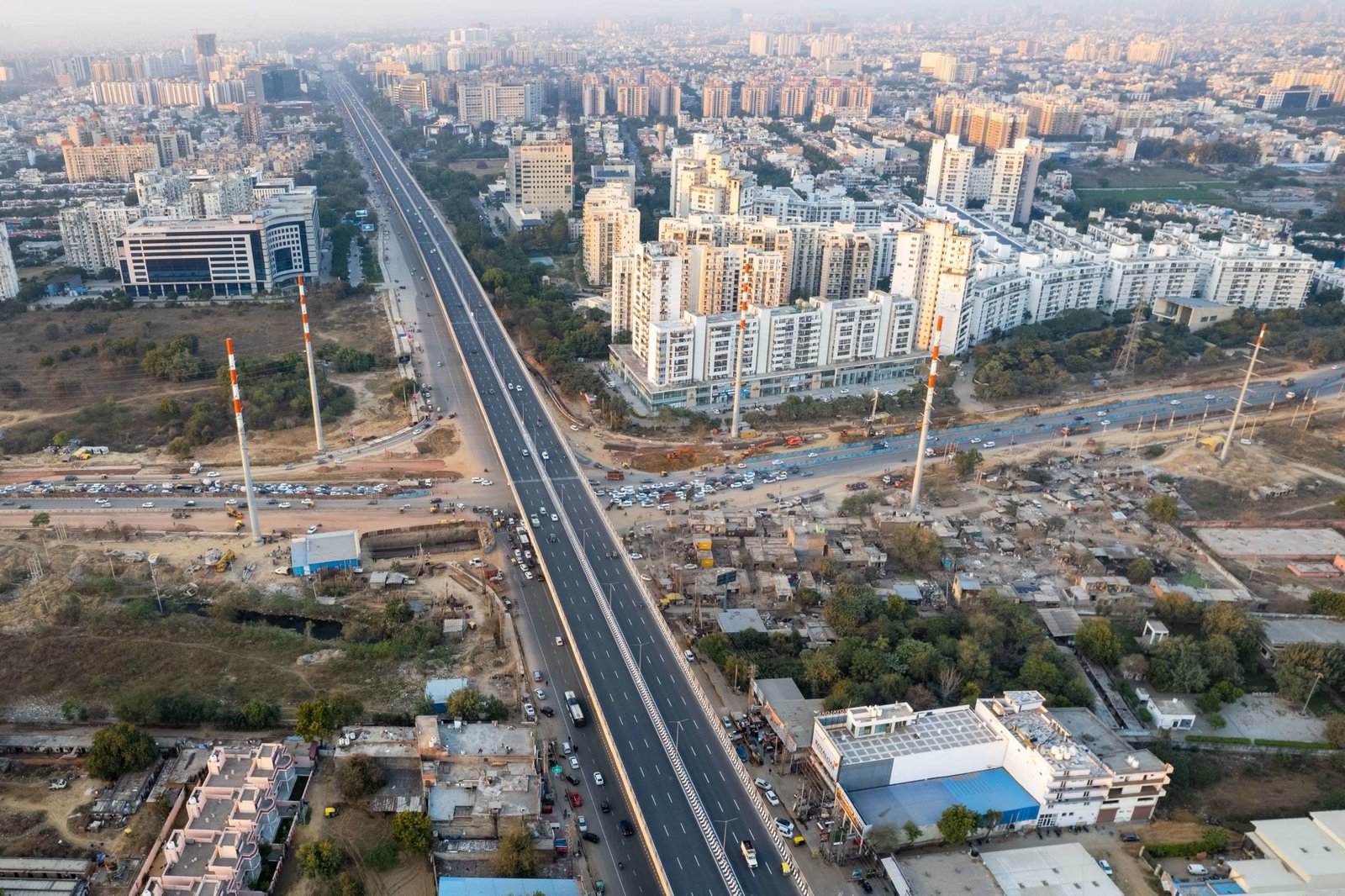
The Gurgaon (Gurugram) residential real estate market has moved far beyond the boom-and-bust cycles of the past. Today, price movements, inventory levels, and buyer behavior are shaped by real demand, controlled supply, and long-term urban fundamentals. For homebuyers and investors alike, understanding the demand–supply dynamics of Gurgaon’s residential market is critical to making smart, future-ready decisions.
This expert analysis breaks down who is buying, what is being supplied, where mismatches exist, and what it means for prices, availability, and investment potential.
Gurgaon Residential Market: A Structural Shift in Progress
Over the last decade, Gurgaon has transitioned from a speculative, investor-heavy market to one dominated by end-users and financially disciplined buyers. Regulatory reforms, stricter lending norms, and lessons from past oversupply have forced developers to rethink how much and what they build.
As a result, today’s residential market is defined not by excess inventory, but by selective scarcity—especially in quality locations.
Understanding Residential Demand in Gurgaon
Who Is Driving Housing Demand Today?
Residential demand in Gurgaon is primarily driven by:
- Salaried professionals working in MNCs and IT firms
- Business owners and senior executives upgrading to better homes
- NRIs seeking stable, rental-friendly assets
- Long-term investors focusing on capital preservation
This demand is largely need-based, not speculative. Buyers are looking for homes they can live in or hold comfortably for years, which creates market stability.
What Buyers Are Looking for in 2025–26
Buyer preferences have changed significantly. Demand today favors:
- Well-planned gated communities
- Low-density developments with open spaces
- Ready-to-move or near-completion projects
- Strong developer brands with proven delivery
Small, poorly planned projects struggle to attract demand even at discounted prices, highlighting the quality-driven nature of current demand.
Supply Side Reality: Controlled, Cautious, and Location-Specific
How Developers Are Managing New Supply
Unlike earlier cycles, developers in Gurgaon are not flooding the market with new launches. Rising land costs, construction inflation, and funding discipline have resulted in measured supply addition, focused on specific demand pockets.
Most new supply is concentrated in:
- Golf Course Extension Road
- Southern Peripheral Road (SPR)
- Dwarka Expressway
- Select sectors of New Gurgaon
These corridors offer scalability while still aligning with buyer preferences.
Why Oversupply Is No Longer a Citywide Risk
While certain micro-markets may face temporary inventory pressure, Gurgaon as a whole no longer suffers from unchecked oversupply. Unsold inventory today is largely:
- Legacy stock from older projects
- Units in poorly connected or low-demand sectors
Quality projects by reputed developers typically see faster absorption, even at premium pricing.
Segment-Wise Demand–Supply Dynamics
Affordable Housing: Demand Exists, Supply Is Constrained
Affordable housing demand remains strong, but rising land and construction costs have limited fresh supply. Developers find it increasingly difficult to maintain margins at lower price points, leading to fewer new launches in this segment.
As a result, well-located affordable projects see quick sales, while availability remains limited.
Mid-Segment Housing: Balanced but Selective
The mid-segment market shows relatively balanced demand and supply. Buyers here are highly price-sensitive and comparison-driven, which keeps pricing in check.
Projects that offer genuine value—good layouts, connectivity, and timely delivery—continue to perform well.
Premium and Luxury Housing: Demand Exceeds Quality Supply
The premium and luxury segments are witnessing strong demand but limited high-quality supply. Low-density planning, land scarcity, and higher development standards restrict volume.
This mismatch is a key reason why prices in prime locations continue to rise steadily despite broader market stability.
Location-Based Demand–Supply Mismatch
Gurgaon’s residential demand–supply balance varies sharply by location. Established corridors with infrastructure and social amenities experience demand-heavy conditions, while peripheral or underdeveloped areas may still face slower absorption.
This divergence explains why price appreciation is highly micro-market specific, not uniform across the city.
Impact on Prices and Inventory Levels
Where demand consistently outpaces supply—especially in premium locations—prices tend to rise gradually but sustainably. In contrast, areas with excess or mismatched supply see longer selling cycles and limited price movement.
Inventory levels alone do not tell the full story; quality-adjusted inventory is what truly matters.
What This Means for Homebuyers
For end-users, the current market favors early decision-making in high-demand areas. Waiting too long may reduce choice and increase entry prices in quality projects.
However, buyers still retain negotiation power in segments or locations where supply is adequate.
What This Means for Investors
For investors, understanding demand–supply dynamics helps avoid stagnant assets. The focus should be on:
- Locations with sustained end-user demand
- Projects with limited future competing supply
- Developers with strong brand recall
These factors improve liquidity and long-term returns.
You can aso check this article, Upcoming Projects on Dwarka Expressway 2026: Sector-Wise Price Analysis, 3BHK Entry Rates & Investment Outlook
Expert Outlook: Where the Market Is Headed
The Gurgaon residential market is moving toward structural maturity. Supply discipline is likely to continue, and demand will remain anchored in employment growth, urban migration, and lifestyle upgrades.
This creates a healthier, more predictable real estate environment—rewarding informed buyers over speculators.
Frequently Asked Questions (FAQs)
Is there oversupply in the Gurgaon residential market?
Citywide oversupply is no longer a major issue. Any excess inventory is localized and often linked to older or poorly located projects.
Which residential segment has the highest demand in Gurgaon?
Premium and upper mid-segment housing currently sees the strongest demand due to lifestyle upgrades and limited quality supply.
Are new residential launches increasing in Gurgaon?
New launches are measured and selective, focused on specific growth corridors rather than across the entire city.
Does demand exceed supply in prime Gurgaon locations?
Yes, in established micro-markets, demand often outpaces supply, supporting steady price appreciation.
Is it a good time to buy a home in Gurgaon?
For end-users, yes—especially in quality projects. For investors, location and asset selection are critical.
Will prices rise due to demand–supply imbalance?
In areas where demand consistently exceeds supply, gradual price appreciation is likely.



Join The Discussion