
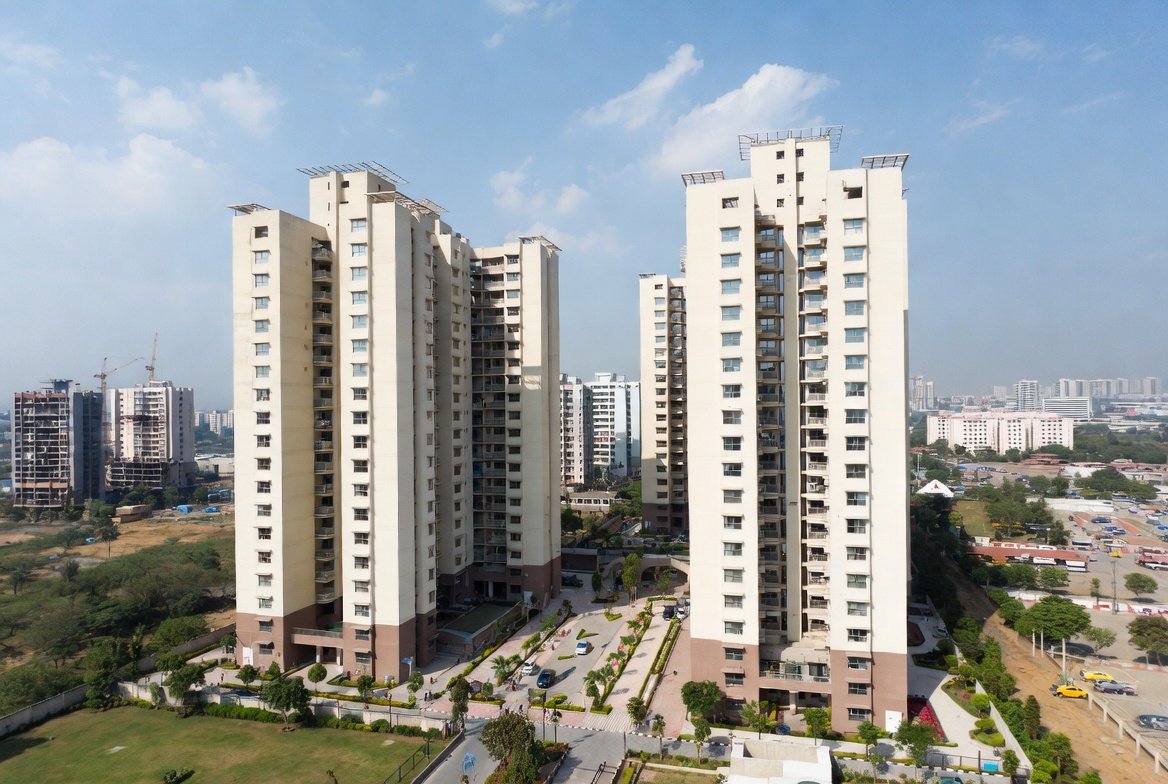
Gurgaon has changed quickly. What used to be a work-driven city is now full of families trying to settle down for the long term.
And once you start looking at homes as a parent, your priorities shift—sometimes in ways you don’t fully realise at first.
It’s not just about how premium the project looks anymore. Or even just the builder.
You start noticing smaller, everyday things. Movement inside the society. Noise. How people actually use the space.
Because eventually, it comes down to a simple question:
Will this place make daily life easier for my child—or slightly more restricted?
Why This Matters More Than Most Buyers Assume
Childhood today is already quite indoor-heavy.
School pressure is higher, screens are everywhere, and outdoor play doesn’t happen as naturally. In Gurgaon, that gets amplified—traffic outside, air quality on many days, high-rise living.
We’ve seen families move into projects that looked perfect during visits… and then slowly realise something feels off.
Kids don’t go down as often. Play areas are there, but not really used. Parents stay a bit more alert than they expected.
It’s not dramatic. Just… different from what they had in mind.
Location — Think Beyond Distance
Location always comes first, but most people evaluate it a bit too simply.
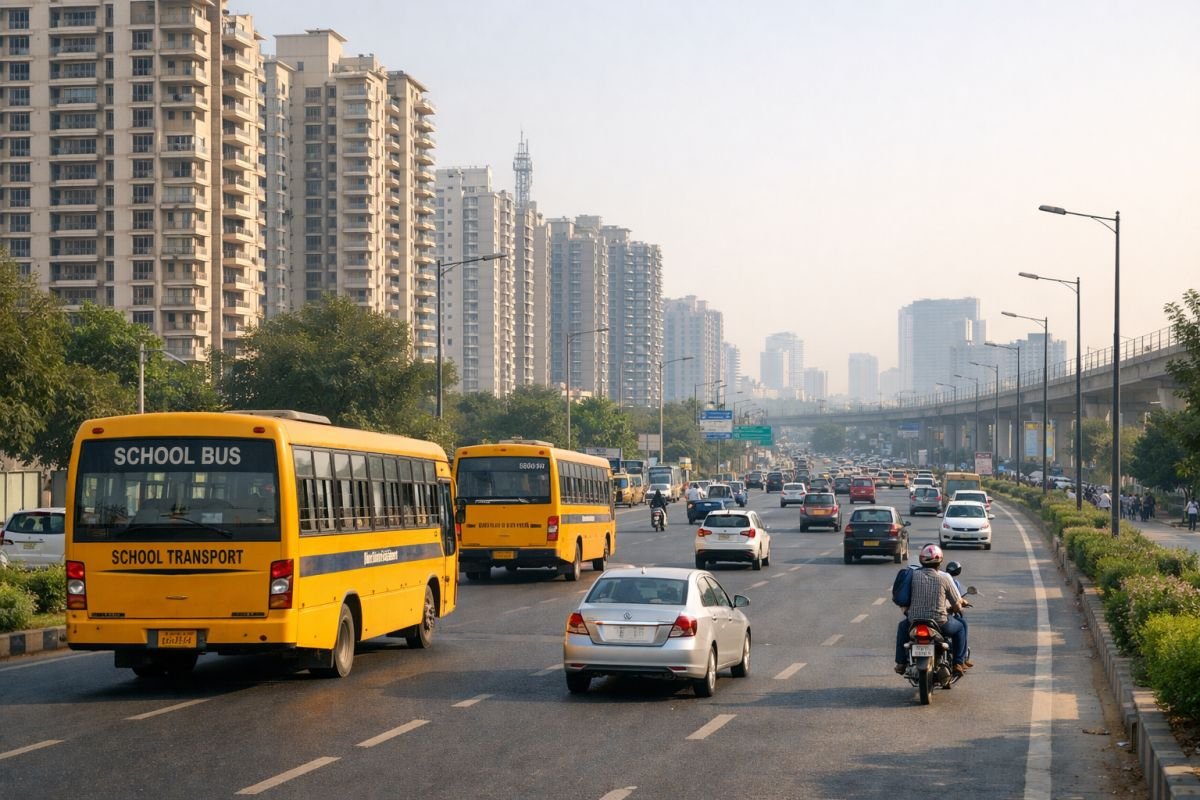
“Close to school” sounds fine—until that short distance turns into a daily 30–40 minute drive during peak hours.
Areas like Sector 57, 65, 67, 70A, and parts of New Gurgaon generally feel easier—roads are wider, layouts more planned.
But even within the same sector, two projects can feel very different in terms of access.
If you can, check the route at the actual time you’d be using it. Morning traffic gives a more honest answer than maps.
And having a hospital nearby—one you’re comfortable with—ends up mattering more than people initially think.
Security — Where Design Matters More Than Systems
Most projects will tick the standard boxes—guards, CCTV, gated entry.
That’s expected now.
What actually changes how safe things feel day-to-day is the layout.
In some societies, children move around quite freely. In others, even going down to play feels like something you keep an eye on.
Look at vehicle movement. See where the play areas are placed. Notice if there are blind spots.
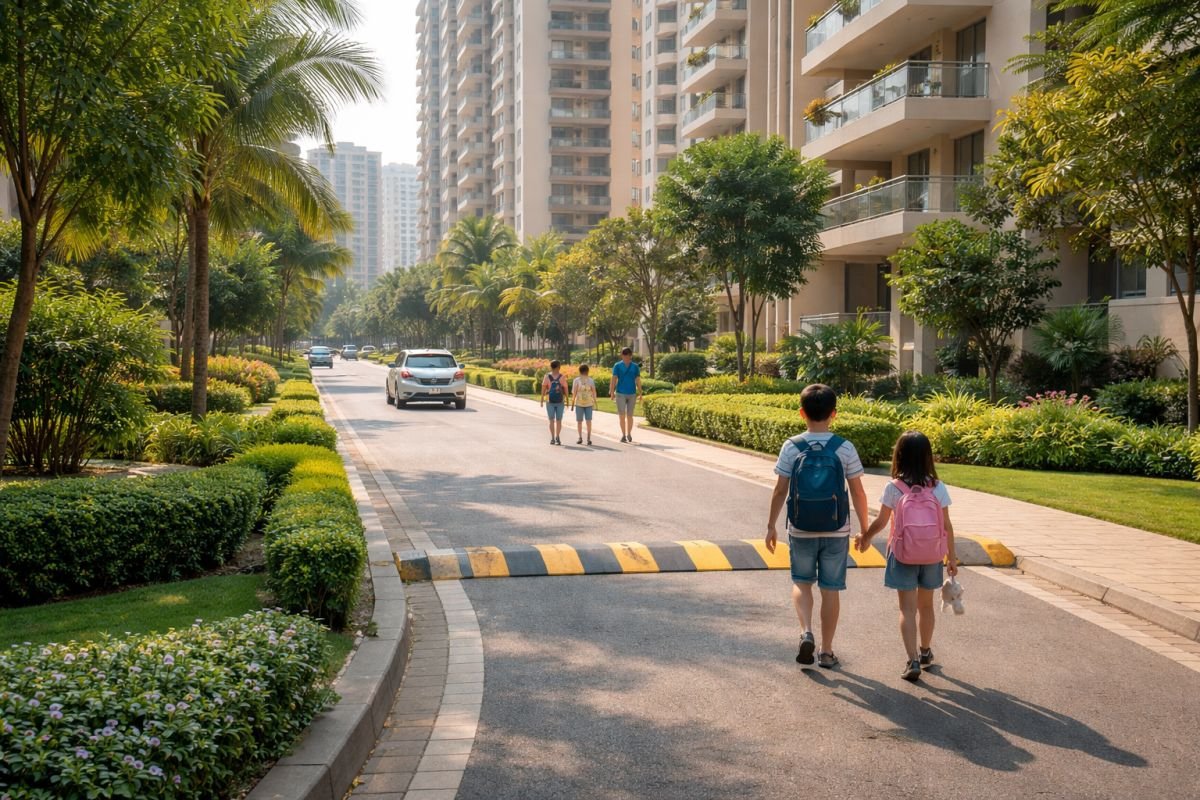
Honestly, this is where even expensive projects slip. Security features are easy to add. Good planning is harder—and more important.
Play Areas — Often Overpromised
This is one area where expectations and reality don’t always match.
You’ll usually see a standard setup—swings, slides, maybe a small zone—and it gets highlighted heavily.
But kids don’t engage with that for long.
Spaces that work better are usually less rigid:
- A small enclosed section for toddlers where safety is obvious
- Space where younger kids can move freely without feeling boxed in
- Older children need room to actually run, not just stand around
Natural elements help too. Grass, shade, even slightly uneven ground—it changes how the space gets used.
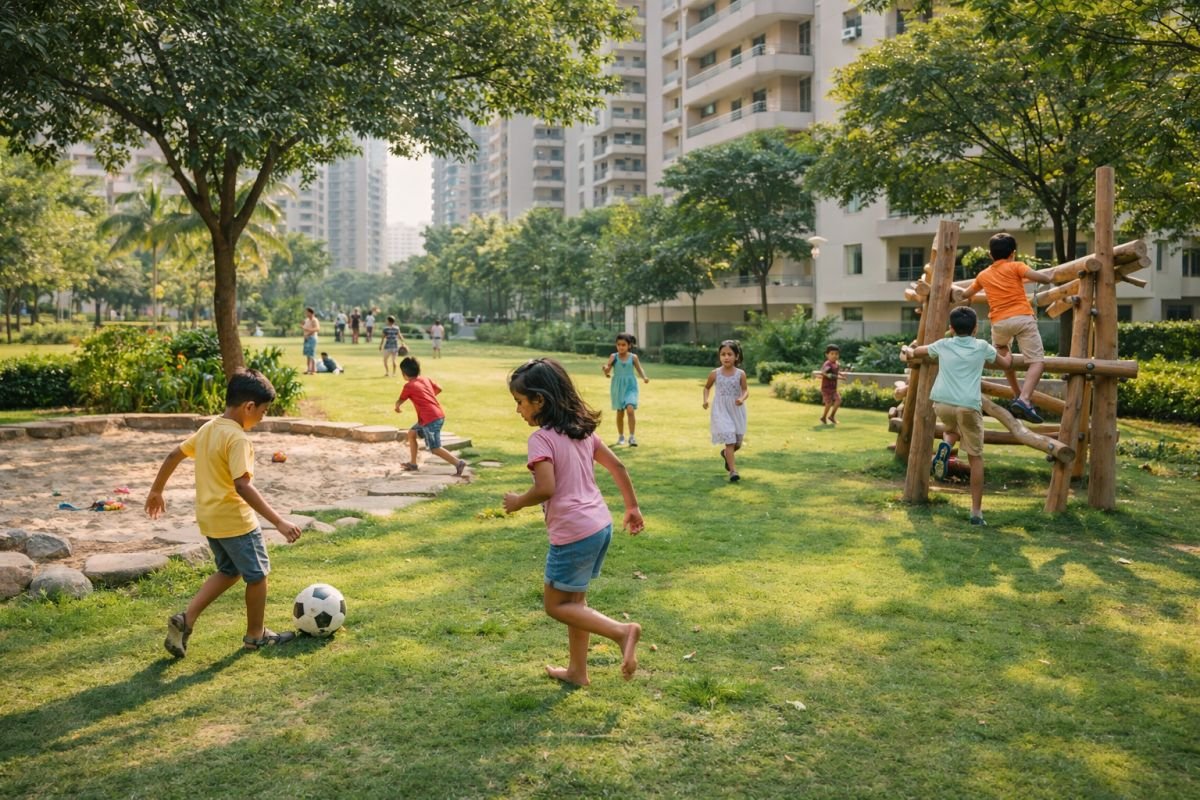
A lot of projects design play areas to look good. Daily usability comes second.
Air, Open Space, and How It Feels Over Time
This part doesn’t always stand out during a visit.
But after moving in, you notice it.
Air quality in Gurgaon is unpredictable. While no project can fix that entirely, layout still affects how the environment feels.
In some newer developments—especially around Golf Course Extension Road—there’s better spacing between towers and more breathing room.
Not everywhere, though.
In denser layouts, buildings sit quite close. Airflow feels restricted, sunlight doesn’t reach properly on lower floors.
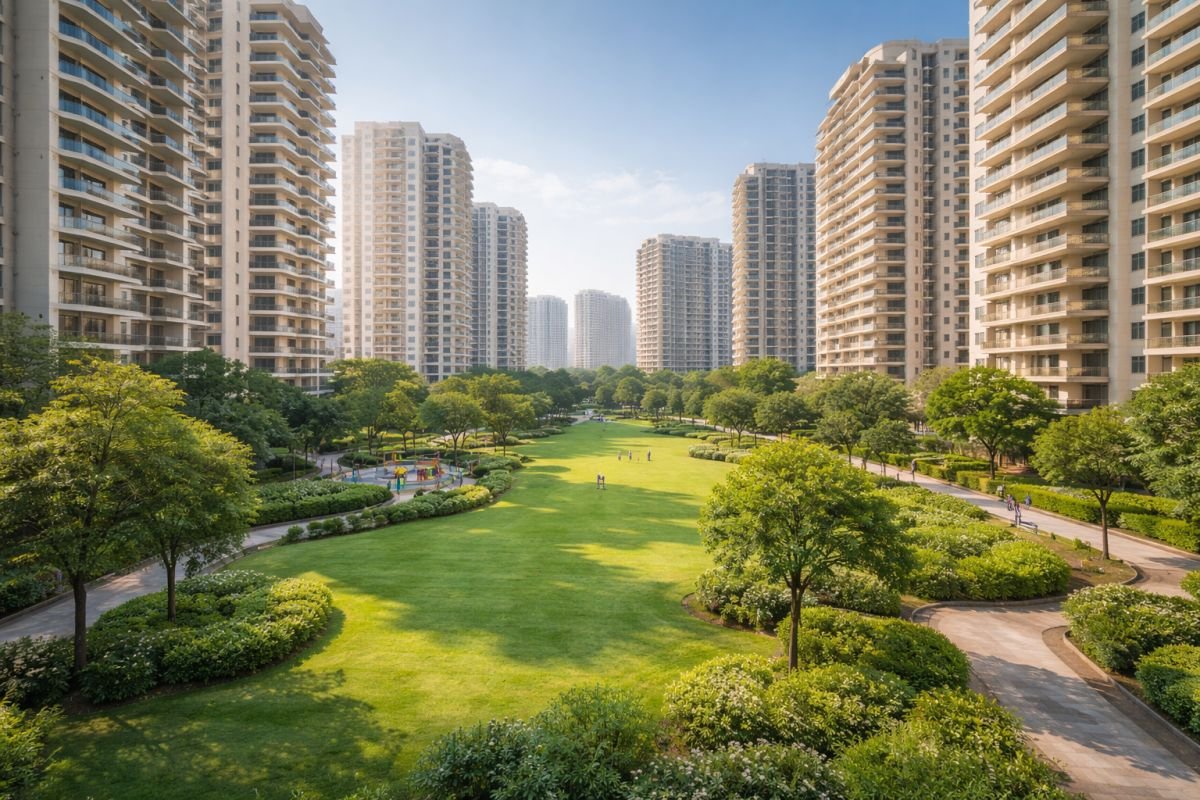
It’s not something buyers always pick up on immediately.
Community — Hard to Measure, Easy to Feel
This isn’t discussed much upfront, but it shapes the experience.
In societies where families are actually living (not just investors holding units), things feel more active. Kids come down, people recognise each other.
In others, even if everything looks premium, it can feel a bit… quiet in a different way.
Fewer interactions. Amenities that exist but don’t really come alive.
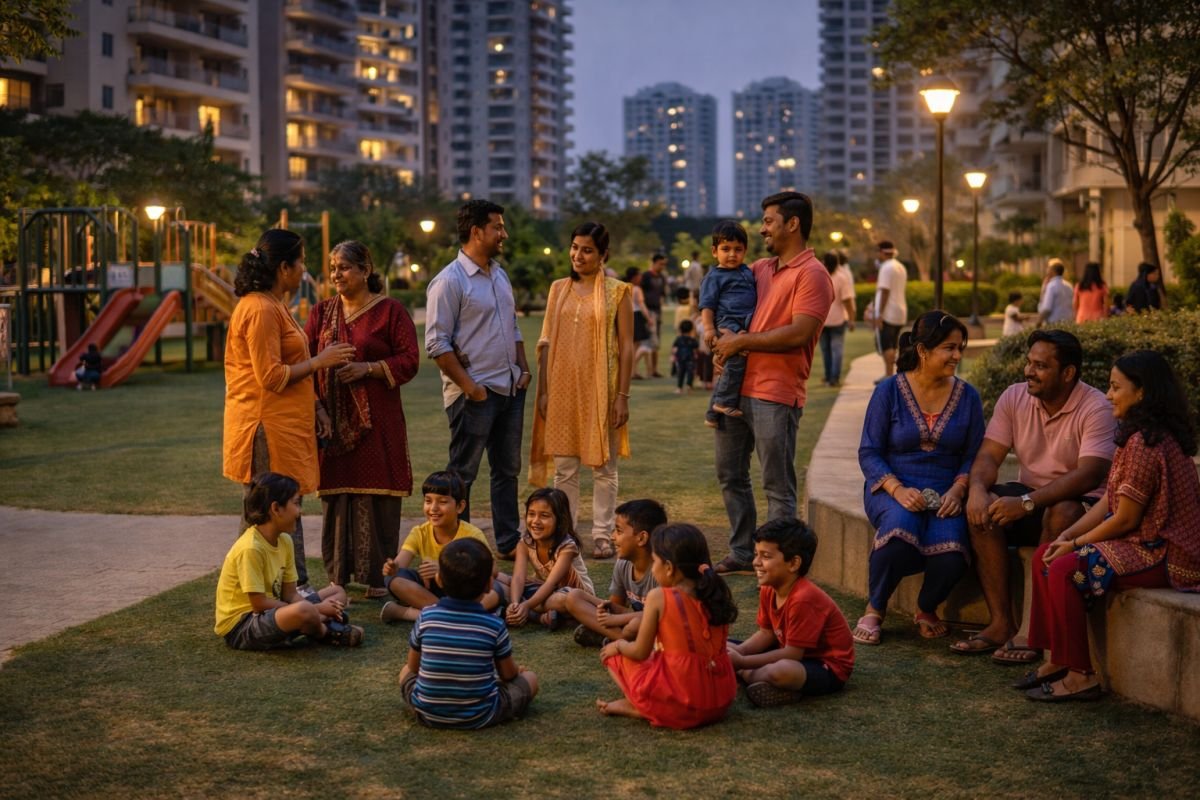
It’s subtle, but it changes how comfortable children feel stepping out regularly.
Indoor Spaces — More Relevant Than They Sound
Given the weather here, outdoor play isn’t always an option.
So indoor spaces matter more than they seem initially.
Some projects include:
- Small reading or study rooms
- Indoor activity areas
- Multi-purpose halls that get used differently over time
Even a simple shared quiet space can be useful for older kids—especially during exams.
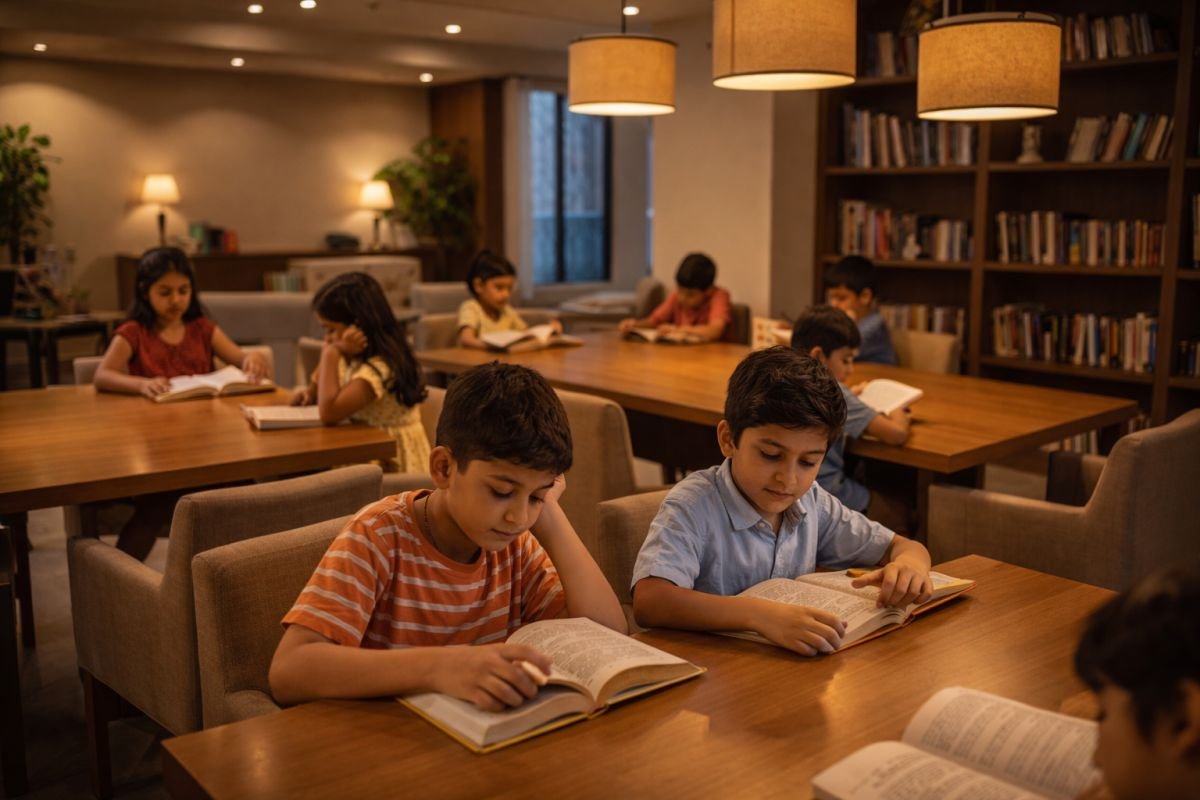
Not a headline feature. But when it’s there, it tends to get used.
Apartment Layout — Practicality Shows Up Later
Sample flats are designed to impress, so it’s easy to miss how the space will actually work.
After moving in, different things start to stand out.
How much usable space you really have
Storage tends to become an issue faster than expected
Rooms should be flexible as needs change
And then there’s noise.
Some apartments handle it well. Others don’t. Over time, that difference becomes quite noticeable—especially when routines settle in.
Movement Inside the Society
You’ll get a sense of this pretty quickly after living somewhere.
In certain societies, children move around independently—cycling, walking, just going down without much thought.
In others, parents stay more involved, even for short distances.
Usually, it comes down to how:
- Vehicles are managed
- Parking is structured
- Walking paths are planned
Some layouts naturally feel easier. Others require a bit more caution.
Think a Few Years Ahead
It’s easy to choose based on what works right now.
But needs change.
As children grow, open spaces, sports areas, places to spend time casually—these start mattering more than basic play setups.
Projects that support that shift tend to remain comfortable longer. And they usually hold up better if you ever decide to move.
Where Buyers Often Misjudge
A lot of decisions are influenced by presentation—branding, marketing, overall impression.
That’s understandable.
But it can hide everyday usability issues.
Also, having good schools nearby doesn’t automatically make a project suitable for children. The internal setup still has to work.
If possible, spend a bit more time observing. Not just a walkthrough—watch how the space is actually being used.
That usually tells you more.
Final Thought
There isn’t a perfect checklist for a child-friendly home.
But some places just feel easier to live in.
Less friction. More usable space. A better everyday rhythm.
And over time, those small differences matter more than anything that stands out on day one.
Frequently Asked Questions
What makes a residential project genuinely child-friendly?
It’s usually a mix of small things working well together—safe internal movement, usable open areas, and a community where children actually step out and interact. Amenities alone don’t define it.
Which areas in Gurgaon are more suitable for families?
Sectors like 57, 65, 67, and 70A, along with parts of New Gurgaon, are often preferred because they’re relatively better planned. That said, project-level design still makes a big difference.
Are high-rise apartments safe for children?
They can be, if designed properly. Balcony safety, controlled access, and how shared spaces are planned matter more than height itself.
Do green spaces really make a difference?
Over time, yes. They affect how often children go outside, how active they are, and even how the environment feels on a daily basis.
Is it better to choose a bigger apartment or a better society?
In most cases, a well-planned society makes everyday living smoother, even if the apartment is slightly smaller.


Join The Discussion