
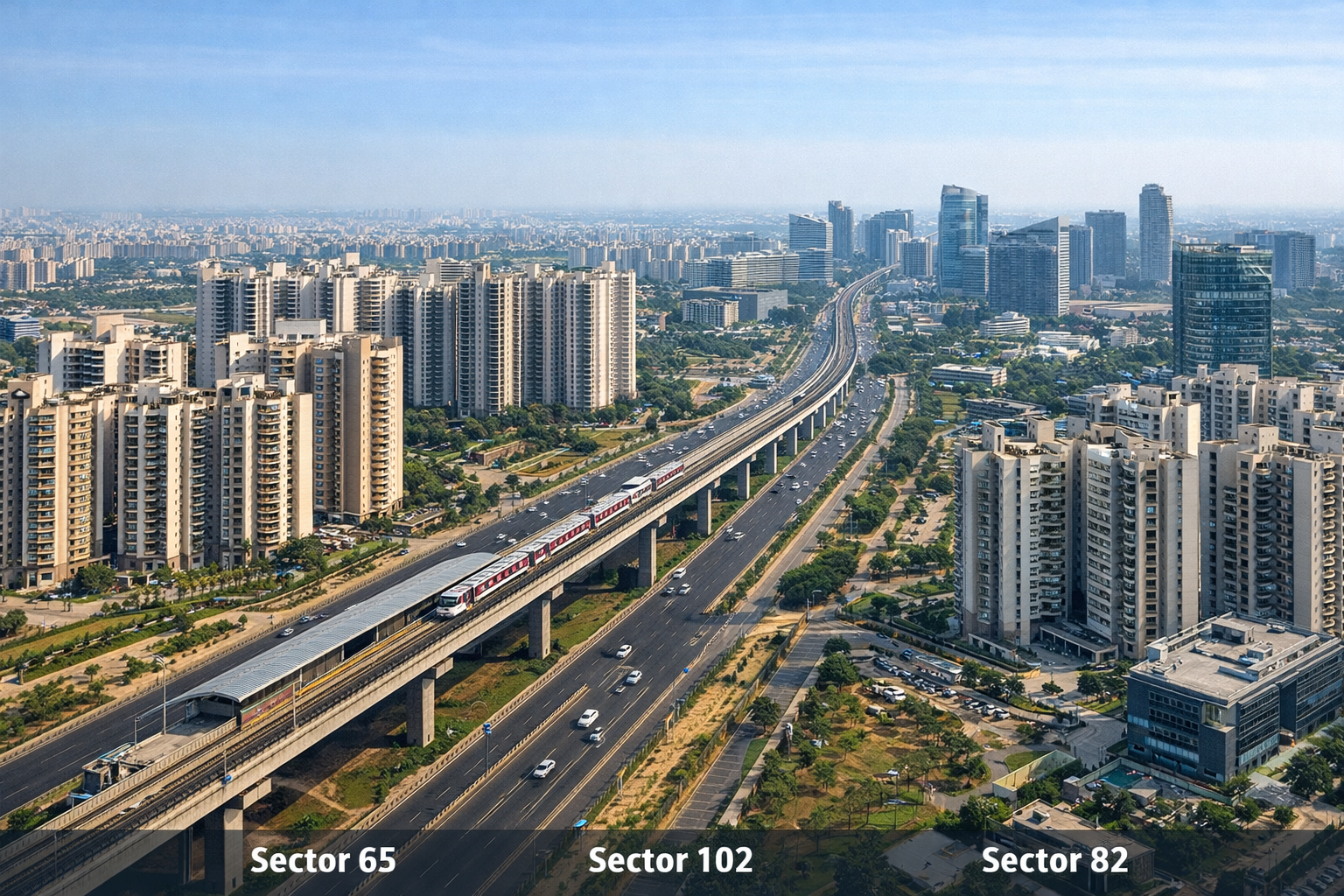
Metro connectivity has become one of the most decisive factors shaping real estate prices in Gurgaon. While expressways create early visibility and investor interest, metro infrastructure influences something far more important—daily commute certainty.
In 2026, this shift is clearly visible across multiple corridors. Investors are no longer evaluating locations based only on road connectivity; they are analyzing how infrastructure is evolving through projects like the infrastructure projects boosting Gurgaon real estate, where metro expansion plays a central role.

Metro doesn’t create demand—it accelerates it. And in a city like Gurgaon, that acceleration directly impacts pricing, rental demand, and long-term investment potential.
Why Metro Connectivity Changes Location Value
In a corporate-driven city, time is a critical asset. Metro connectivity reduces travel uncertainty, making certain locations significantly more attractive for both residents and tenants.

Properties near metro stations typically experience:
- Faster rental absorption
- Higher tenant preference
- Stronger resale liquidity
Unlike speculative infrastructure, metro systems create long-term structural demand. Once operational, they consistently influence buyer behavior and pricing patterns.
Gurgaon’s Metro Network: A Strategic Overview

Gurgaon’s metro ecosystem includes the Delhi Metro Yellow Line, Rapid Metro, and multiple proposed expansions toward Golf Course Extension Road, Dwarka Expressway, SPR, and New Gurgaon sectors.
What makes this network powerful is not just connectivity—but integration. Metro lines are increasingly connecting residential corridors directly to employment hubs such as Cyber City and MG Road.
This alignment transforms how locations are valued.
Location Comparison: Mature vs Emerging Metro Corridors

The impact of metro connectivity varies depending on the stage of the corridor.
Established metro corridors like MG Road and HUDA City Centre already reflect pricing maturity. These areas offer strong rental stability and liquidity but limited upside.
Emerging metro corridors, however, present a different opportunity. Locations along Golf Course Extension Road, Dwarka Expressway, and New Gurgaon are still in transition—where infrastructure is improving but not fully priced in.
Investors evaluating opportunities often analyze the best sectors in Gurgaon near metro corridors to identify where metro-driven growth is still unfolding.
Golf Course Road & Rapid Metro: Premium Market Benchmark

Golf Course Road demonstrates how metro connectivity can elevate an entire corridor.
The introduction of Rapid Metro transformed it into a high-efficiency luxury market. Buyers here are not just paying for location—they are paying for convenience and accessibility.
This has pushed pricing into premium brackets, with strong rental demand driven by corporate tenants and expatriates.
Metro, in this case, didn’t just support growth—it redefined the pricing ceiling.
Golf Course Extension Road: The Next Phase of Growth
Golf Course Extension Road (GCER) is currently transitioning from a discount corridor to a premium extension of Golf Course Road.
Sectors like 65, 63A, and 66 are witnessing increasing demand as metro expansion improves connectivity. This shift is gradually reducing the price gap between GCER and more established luxury zones.
Buyers looking for early-stage opportunities are increasingly exploring best residential projects near metro stations, where future connectivity is expected to drive appreciation.
This corridor represents a classic example of infrastructure-led re-rating.
Dwarka Expressway: Entering the Second Growth Cycle

Dwarka Expressway is moving into its next phase of development, where metro integration is expected to play a defining role.
The first growth cycle was driven by anticipation of infrastructure. The second cycle is now being shaped by actual occupancy and connectivity.
Sectors like 102, 113, and 37D are showing increasing end-user demand, supported by improving infrastructure and upcoming metro links.
Metro connectivity here is expected to strengthen rental demand, reduce dependency on road travel, and enhance long-term price stability.
New Gurgaon: Affordability Meets Connectivity
In New Gurgaon, metro expansion is improving affordability efficiency rather than creating luxury premiums.
Sectors such as 82, 83, 89, and 90 are becoming more attractive for mid-income buyers as commute times improve. This enhances the real value of these locations without pushing prices into premium territory.
Here, metro acts as an enabler—making affordable housing more practical and accessible.
Metro vs Expressway: Understanding Growth Drivers
Both metro and expressways influence real estate—but in different ways.
Expressways typically trigger early investor interest and short-term price movement. Metro, on the other hand, supports long-term demand, rental stability, and sustained appreciation.
The most powerful growth corridors are those where both align. This combination creates both immediate visibility and long-term value.
Rental Yield and Price Stability
Metro-connected properties tend to perform well across both rental and capital appreciation metrics.
Rental demand stabilizes quickly once connectivity improves, while capital values grow steadily as the area matures.
This dual benefit makes metro-aligned investments particularly attractive for long-term investors.
Risks Investors Should Consider

Despite its strong impact, metro-driven investment is not risk-free.
Buying based on proposed stations rather than confirmed execution can lead to overpricing. Delays in construction may also affect short-term demand and livability.
Investors should focus on projects where infrastructure is already visible or nearing completion.
Final Outlook: Metro as Gurgaon’s Core Growth Engine
In 2026, metro connectivity is no longer an optional advantage—it is a core factor shaping real estate decisions.
It influences where people live, how they commute, and how property markets evolve across different corridors.
For investors looking to align strategy with long-term growth, studying a complete Gurgaon investment location guide helps connect these infrastructure trends with actionable decisions.
Metro doesn’t just improve connectivity—it reshapes the entire real estate landscape of Gurgaon.
Frequently Asked Questions (FAQs)
Does metro expansion actually increase property prices in Gurgaon or is it just hype?
Metro expansion does increase property prices in Gurgaon, but the impact is phased rather than immediate. Prices often react first to announcement and execution visibility, attracting early investor movement. The more sustainable appreciation typically begins once operations start, rental demand strengthens, and end-user absorption deepens. Corridors like Golf Course Road have already demonstrated this pattern, while Dwarka Expressway sectors such as 102 and 113 are transitioning from anticipation-led pricing to occupancy-backed consolidation.
Which Gurgaon sectors are expected to benefit the most from metro expansion in 2026?
Sectors that directly plug into employment hubs through metro connectivity are likely to see the strongest structural impact. On Golf Course Extension Road, Sector 65, Sector 63A and Sector 66 are moving toward infrastructure parity with legacy premium zones. Along Dwarka Expressway, Sector 102 and Sector 113 are positioned for rental traction improvement. In New Gurgaon, sectors like 82, 83 and 90 benefit more from commute efficiency and affordability strengthening rather than luxury premium expansion.
Is it safe to invest near a proposed metro station in Gurgaon?
Investing near a proposed metro station can be strategic, but only when execution clarity exists. Approved routes with visible construction progress reduce uncertainty significantly. However, sectors where stations are only at the planning stage may see temporary overpricing. Buyers should evaluate approval status, infrastructure timelines, and surrounding civic readiness rather than relying solely on future connectivity promises.
How does metro connectivity affect rental yield in Gurgaon?
Metro connectivity typically strengthens rental performance before it substantially lifts capital values. Once timelines become credible or operations begin, tenant preference shifts toward metro-accessible properties. This improves occupancy stability and reduces vacancy cycles. Established metro corridors often maintain rental yields in the 3% to 3.5% band, while emerging sectors gradually strengthen as possession levels and social infrastructure mature.
Metro vs expressway in Gurgaon: which drives stronger long-term appreciation?
Expressways usually trigger the first appreciation cycle by improving regional accessibility and attracting investor participation. Metro connectivity, however, supports sustained absorption, rental resilience, and long-term pricing stability. When both align within a corridor, appreciation becomes structurally stronger and less volatile, creating a more balanced demand ecosystem for both investors and end-users.



Join The Discussion