
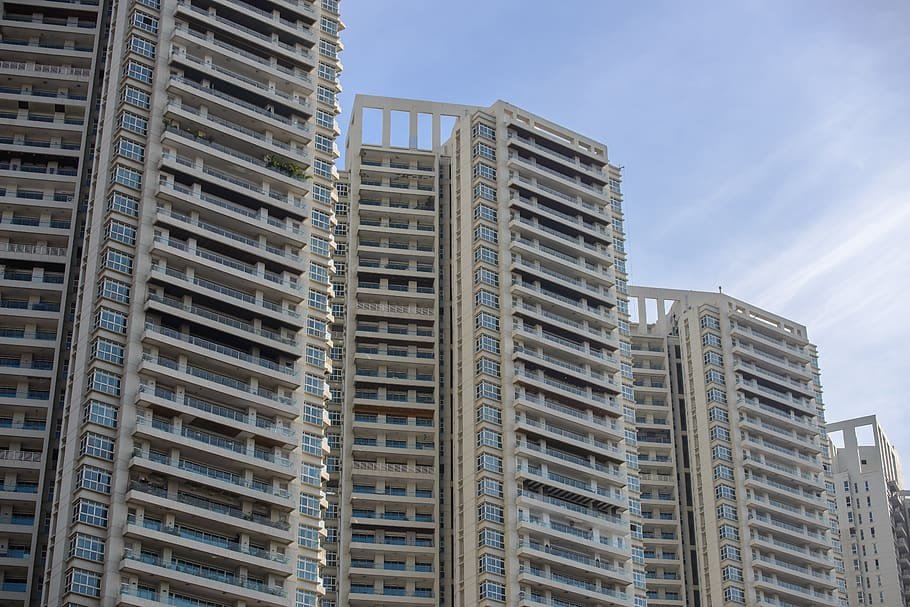
In cities like Gurgaon, Mumbai, and Bangalore, high-rise living is no longer aspirational—it has become the default. As supply has grown and vertical developments dominate skylines, buyers are increasingly faced with a more nuanced decision than just choosing a project or location. One of the most common questions that comes up during this process is deceptively simple: which floor makes the most sense?
Before making that decision, it is equally important to understand how different micro-markets perform, which is why many buyers first explore a detailed Gurgaon investment location comparison to evaluate long-term growth potential.
For many buyers, this discussion also overlaps with broader considerations like luxury floors vs apartments and what actually delivers better long-term value. What initially feels like a lifestyle preference quickly turns into a pricing decision once real numbers come into play.
Move up a few floors, and the price doesn’t just increase marginally; in many cases, it meaningfully impacts the total ticket size. This additional cost is what developers refer to as the floor rise premium. While most buyers accept it as standard, very few evaluate whether it truly adds value—especially when they are seriously exploring the home-buying process in Gurgaon and comparing multiple projects side by side.
What You’re Really Paying For
At a surface level, the pricing structure appears systematic. Lower floors are positioned as the base price, and as you move higher, incremental premiums are added—often in the range of ₹50 to ₹300 per sq ft depending on the project.
In premium micro-markets such as Golf Course Road or DLF Phase 5, these increments can add several lakhs to the final property value. This variation becomes even more evident when you compare pricing across Gurgaon’s most sought-after residential sectors, where location strength and buyer profile influence how aggressively these premiums are applied.
In emerging corridors like Dwarka Expressway or New Gurgaon, pricing tends to be tighter and more value-driven. This is particularly noticeable when evaluating new residential launches along Dwarka Expressway, where buyers often prioritise overall deal value over floor height.

Why This Premium Exists in the First Place
The construction cost difference between floors isn’t what drives the premium. What developers are really monetising is perception.
Higher floors are positioned as more premium, more private, and more aspirational. The experience of standing in a higher-floor sample unit and looking at an open skyline plays a strong psychological role in buyer decision-making.
However, buying decisions are rarely based on a single factor. Preferences such as Vastu compliant homes in Gurgaon or layout efficiency often carry equal weight and, in many cases, influence resale more directly than floor height.
Where Higher Floors Actually Deliver
Despite being perception-driven, higher floors do offer real, practical advantages. In projects located near busy roads or commercial areas, higher floors typically experience lower noise levels, better ventilation, and slightly improved air quality.
Natural light is also stronger, and the biggest differentiator remains the view. A unit overlooking a golf course, greens, or open landscape feels significantly different on the 20th floor compared to the 5th. For long-term end-users, this can meaningfully improve day-to-day living experience.

Where Buyers Usually Misjudge the Decision
The biggest disconnect happens between buying and selling.
At the time of purchase, buyers focus on lifestyle imagination. During resale, however, buyers evaluate practicality. They compare total price, layout, and available options within the same society.
In this context, factors like corner vs mid unit apartments often influence resale more than floor height itself. As a result, the premium paid for higher floors doesn’t always translate proportionally when exiting.

What Actually Happens in Resale
Across Gurgaon, a clear pattern emerges.
In the ₹1–2.5 crore segment—especially in New Gurgaon and Dwarka Expressway—buyers tend to favour mid-floor units due to pricing efficiency.
In ₹3–6 crore segments like Golf Course Extension Road, higher floors are appreciated, but only within reasonable pricing limits. If the premium becomes excessive, buyers shift quickly.
At the ultra-luxury level, height and view do influence pricing more strongly—but this is a niche segment.
For most buyers comparing different Flats in Gurgaon, the final decision is driven more by overall deal value than vertical positioning.
The Trade-Off Most Buyers Miss
One of the most overlooked aspects of floor premiums is capital allocation. What appears to be a small per sq ft increase often translates into a 10–12% jump in total cost.
The challenge is that this additional investment does not always scale proportionately in resale. Buyers may end up locking a significant portion of their budget into a feature that future buyers don’t value equally.
In contrast, many buyers today prioritise lifestyle-driven factors such as projects with clubhouse amenities or smart homes in Gurgaon, which tend to have more consistent appeal across both end-use and resale.
Floor Decision Comparison
| Factor | Mid Floor (6–15) | High Floor (20+) |
|---|---|---|
| Entry Cost | Lower | Higher (5–12% premium) |
| Resale Liquidity | Faster | Slower if overpriced |
| View Quality | Moderate | Strong (if open) |
| Noise & Dust | Moderate | Lower |
| Buyer Demand | Highest | Niche |
| Investment Suitability | Strong | Moderate |
| End-Use Comfort | Good | Excellent |
When It Makes Sense to Pay the Premium
Paying a floor premium makes sense when the advantages are sustainable. A permanently open view, strong project positioning, and long-term end-use plans can justify the additional cost.
For lifestyle-focused buyers, the daily benefits of light, air, and reduced noise often outweigh the initial price difference.
When It’s Better to Stay Grounded
Caution is important when surrounding land is undeveloped but not protected, when the premium stretches your budget, or when your primary goal is investment or resale.
In such scenarios, today’s perceived advantage can become tomorrow’s limitation.
Who Should Choose Higher Floors?
Higher floors are ideal for end-users planning long-term living, especially those who value comfort and have budget flexibility. When the premium is reasonable and future surroundings are clear, the decision can enhance quality of life.
Who Should Avoid Paying Floor Premium?
Investment-focused buyers or those planning a medium-term exit should typically prefer mid-floor units. These offer better liquidity, broader demand, and more pricing flexibility during resale.
So, Is Floor Premium Worth It?
The answer depends on how you define value.
If your priority is lifestyle and the upgrade genuinely improves your daily experience, the premium can be justified. But if flexibility, resale, or financial efficiency matter more, staying closer to mid-floor pricing is usually the smarter move.
Ultimately, the real question is not whether a higher floor feels better—but whether that extra cost will still make sense to the next buyer when you decide to sell.

It’s whether that extra amount still makes sense to someone else when you decide to sell.
Frequently Asked Questions
Do higher floors actually sell for more later?
Sometimes — but not as much as buyers expect. In most mid-segment Gurgaon projects, a well-priced mid-floor unit will move faster than a high-floor one carrying an inflated expectation.
Is it risky to buy on a higher floor?
Not risky in terms of living quality — in fact, many people prefer it. The risk is mostly financial: overpaying upfront and struggling to justify that premium during resale.
What do most buyers in Gurgaon usually choose?
Interestingly, mid-floors. They strike a balance — not too low, not too expensive — and that keeps both entry and exit easier.
Does a better view always mean better value?
Only if the view stays. If there’s even a small chance of future construction blocking it, that advantage fades quickly.
If I really like a high floor, should I still avoid it?
Not necessarily. Just make sure you’re not stretching your budget purely for the floor. If it fits comfortably and the project has long-term clarity around views, go ahead — just don’t assume it’s an “investment advantage.”



Join The Discussion