
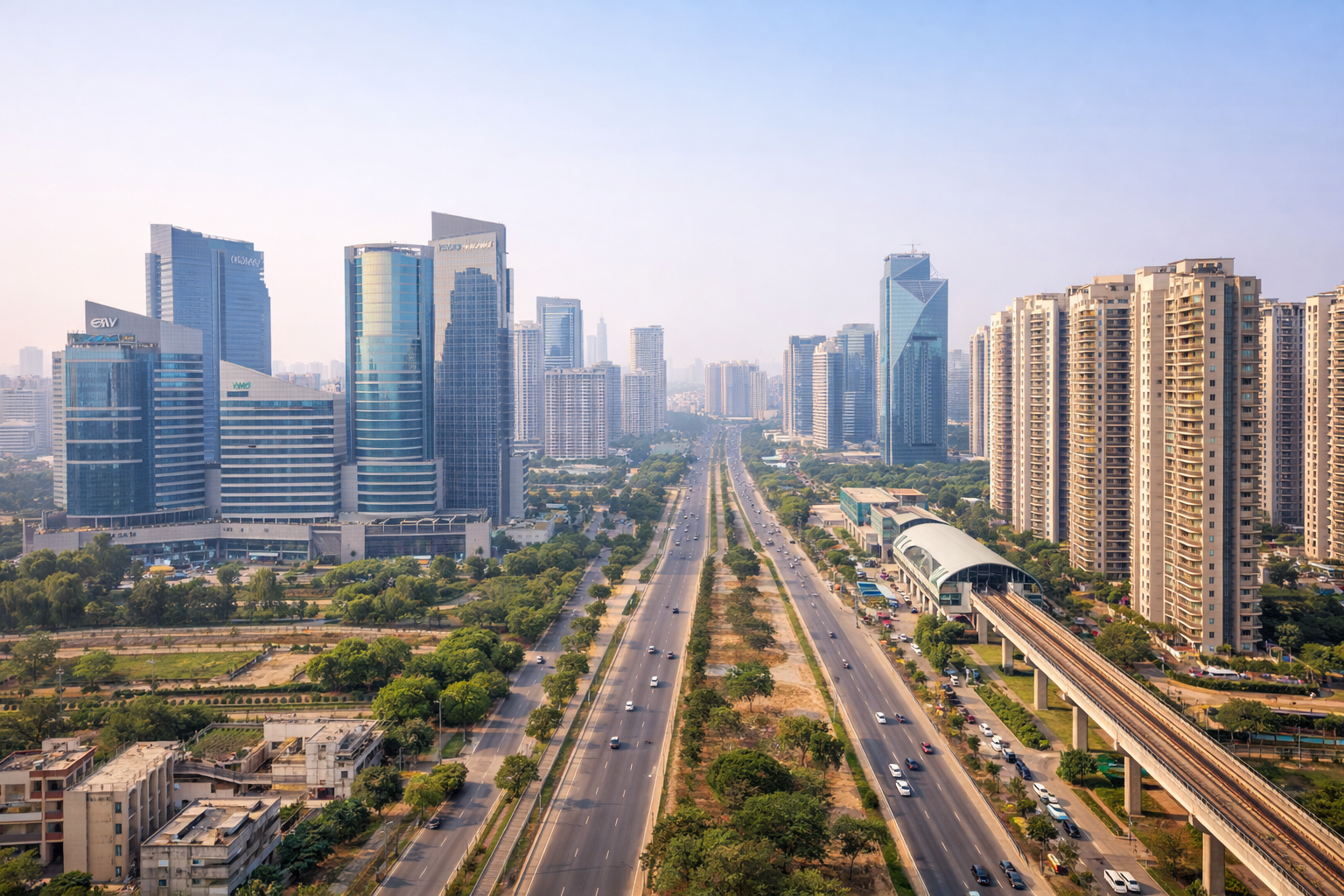
Gurgaon in 2026 is no longer a momentum-driven story. It is a selection-driven market.
The question is no longer “Is Gurgaon a good place to invest?”
The real question serious investors are asking is:
- Where to invest in Gurgaon in 2026?
- Which sectors are generating sustainable rental yield?
- What is the safest property investment strategy right now?
- Should you prioritize rental income or capital appreciation?
This guide is built as a sector-wise, demand-backed investment blueprint — not a promotional list.
What Has Changed in Gurgaon’s Property Market in 2026?
To understand where to invest, you must understand what shifted.
End-User Dominance Over Speculation
Unlike the 2014–2018 cycle, today’s absorption is largely end-user driven. That reduces volatility.
Developer Funding Discipline
Stronger balance sheets and tighter inventory control have reduced reckless launches.
Luxury Stabilization
Ultra-luxury continues to see demand, but appreciation velocity has moderated compared to 2021–23.
Mid-Segment Quiet Compounding
₹1–2 Cr inventory is witnessing stable rental-backed growth.
Yield Compression vs Earlier Cycles
Rental yields are slightly tighter than post-Covid spikes, but far more stable.
Gurgaon in 2026 rewards data-backed allocation, not launch excitement.
Residential Apartments: Still the Core Investment Asset
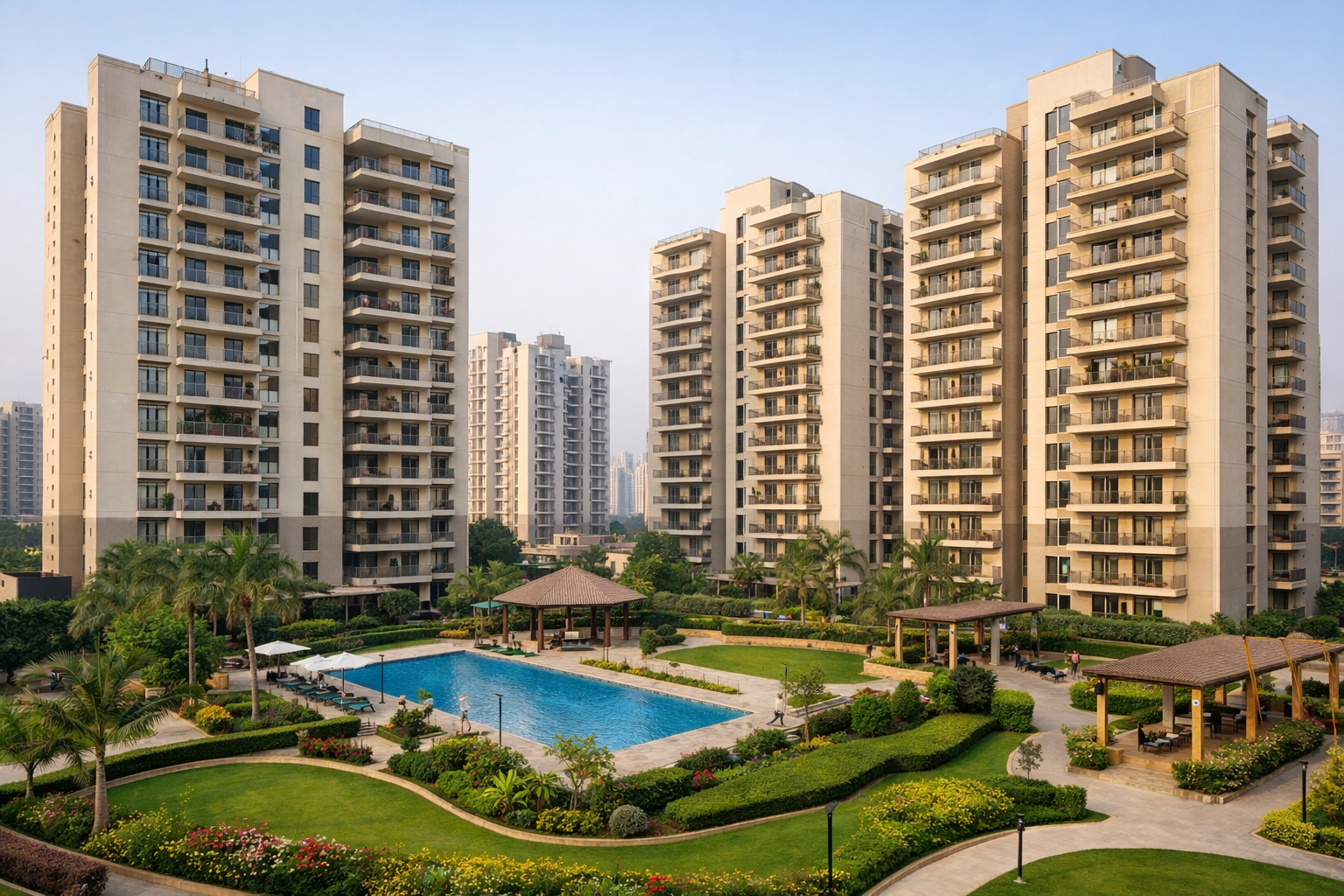
For most investors, residential apartments remain the most reliable real estate investment option in Gurgaon in 2026 — particularly ready-to-move or near-completion units.
But sector choice now matters more than brand.
High Rental Yield Residential Sectors in Gurgaon (2026)
Sector 83 & Sector 84 (New Gurgaon Belt)
Investors evaluating property opportunities in Sector 83 and 84 are typically yield-focused.
- 2BHK units: ~₹1.1–1.5 Cr (early 2026 range)
- Rental yields: ~3.8–4.5%
- Strong demand from working professionals
- Proximity to NH-8 and improving social infrastructure
These sectors are emerging as high rental yield areas in Gurgaon due to balanced ticket size and strong absorption.
Sector 65 & Sector 67 (Premium Corridor)
For capital preservation and stable tenants:
- 3BHK premium units: ₹2.2–3.5 Cr+
- Rental yield: ~3–3.5%
- Strong end-user profile
- Limited oversupply compared to earlier cycles
This belt appeals to investors prioritizing asset stability over aggressive yield.
Sector 102 & Sector 113 (Dwarka Expressway Growth Zone)
With infrastructure maturing, these sectors are becoming serious contenders for Dwarka Expressway property investment in 2026.
- Competitive entry compared to central corridors
- Rising 3BHK demand
- Balanced rental + appreciation thesis
Investors tracking upcoming projects along Dwarka Expressway are increasingly comparing 3BHK entry price dynamics before committing.
Builder Floors: Underrated but Powerful Investment Segment
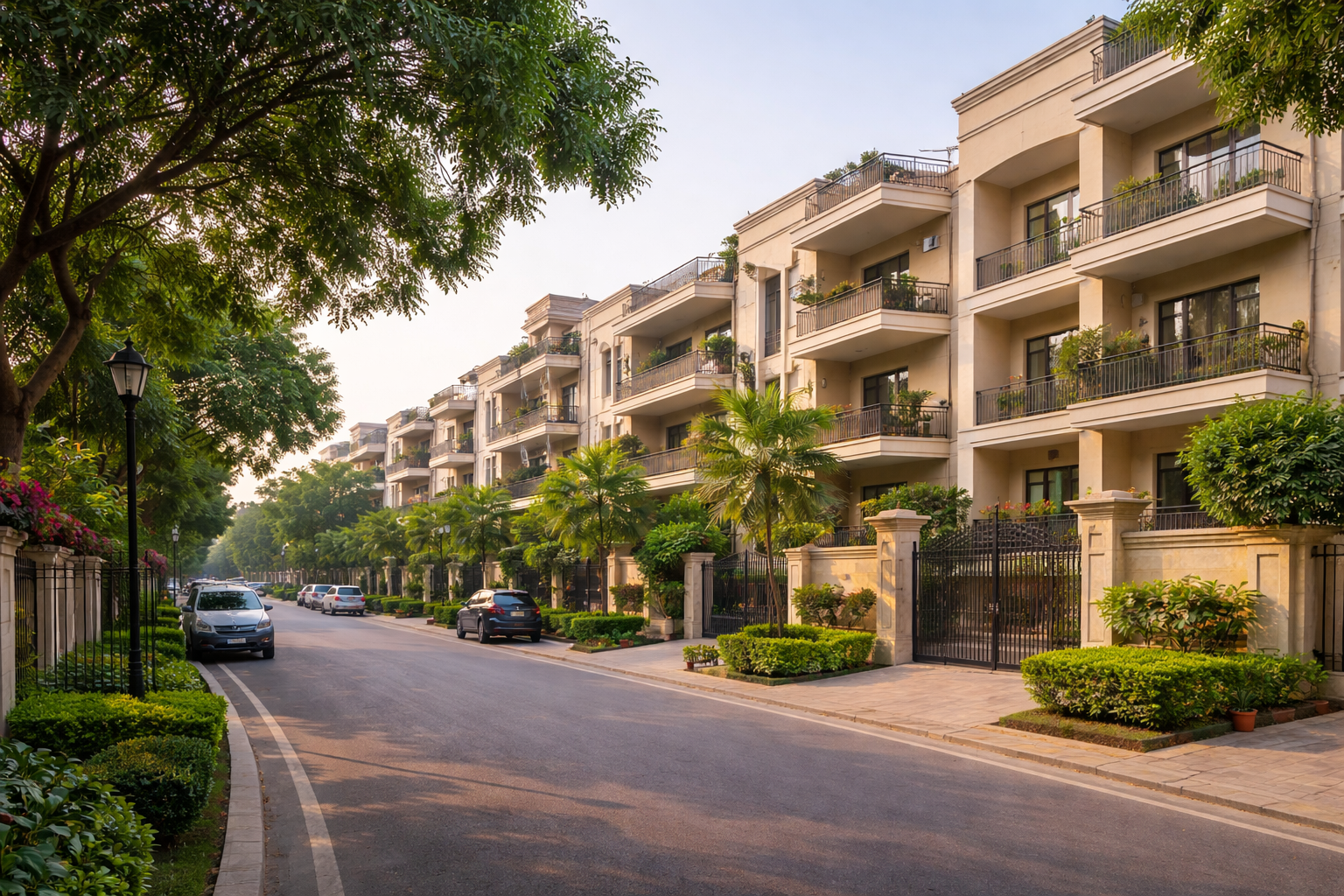
Builder floors are one of Gurgaon’s strongest under-optimized investment plays.
Why?
- Low-density appeal
- Independent living preference
- Limited fresh supply
- Strong resale liquidity in mature sectors
Best Sectors for Builder Floor Investment
Sector 57
Independent floors here have seen steady capital movement since the 2023 recovery cycle. Rental traction remains strong among mid-senior professionals.
DLF Phase 2
A mature micro-market with consistent tenant demand. Investors often prioritize it for stability rather than aggressive appreciation.
Sushant Lok
Active resale ecosystem. Price discovery remains transparent, making it attractive for disciplined buyers.
Sector 67A & Golf Course Extension
Modern layouts and premium configuration floors are attracting both investors and end-users.
Builder floors often produce stronger rental traction per rupee invested compared to oversized luxury apartments.
Plotted Developments: Long-Term Wealth Strategy
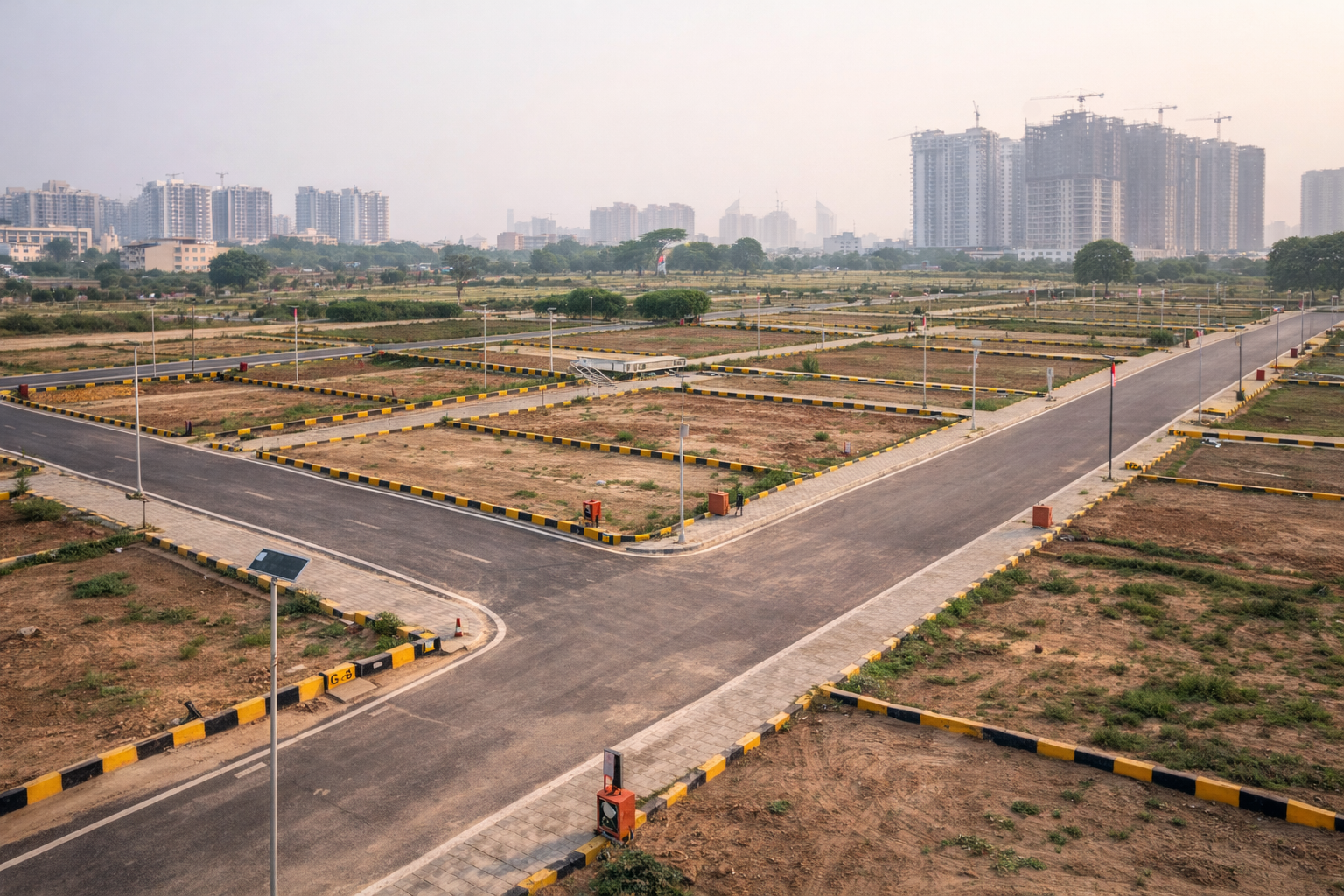
Plots are not income assets. They are patience assets.
DDJAY & Affordable Plotted Developments
Investors exploring DDJAY plots in Gurgaon are increasingly studying:
- Sector 92
- Sector 95
- Sector 37D
These peripheral clusters offer:
- Lower entry ticket compared to premium corridors
- Flexible construction timeline
- Capital appreciation potential tied to infrastructure expansion
However, plotted investment carries execution risk in outer belts and requires longer holding periods.
Commercial Real Estate: Higher Yield, Higher Selectivity
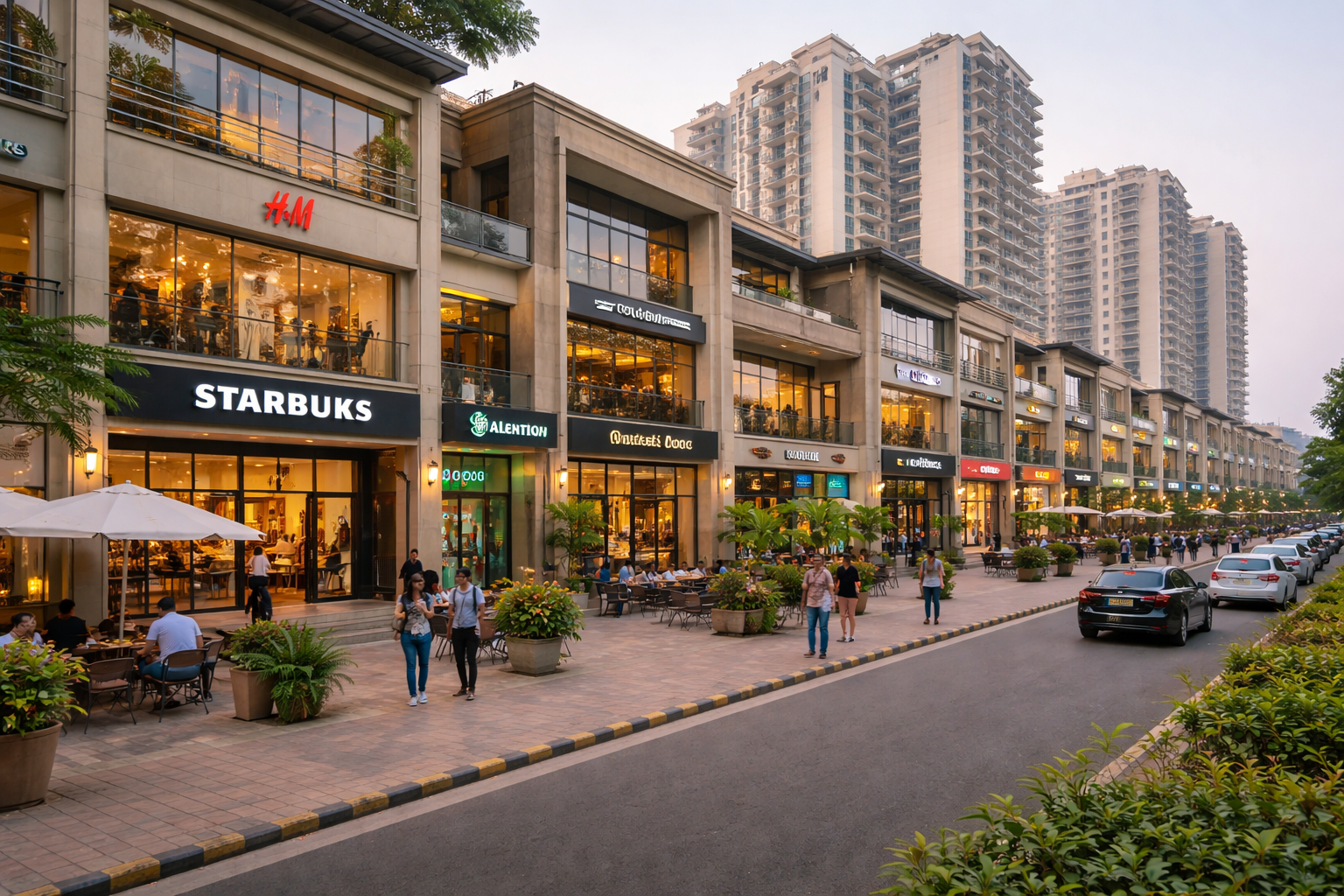
Commercial Real Estate property in Gurgaon can generate 6–8% yield in stabilized assets — significantly higher than residential.
But risk also scales.
High Rental Yield Commercial Micro-Markets
Sector 83 SCO Developments
Emerging mixed-use demand backed by residential catchment growth.
Sector 65 High Street Retail
Premium density zone supporting selective retail formats.
Golf Course Extension Office Clusters
Stable leasing activity in Grade-A buildings.
Dwarka Expressway Commercial Pockets
Early-stage, higher upside, higher volatility.
Small-ticket commercial units without anchor demand carry vacancy sensitivity risk.
Commercial suits experienced investors who understand lease structures and absorption cycles.
Dwarka Expressway Investment Hotspots (2026)
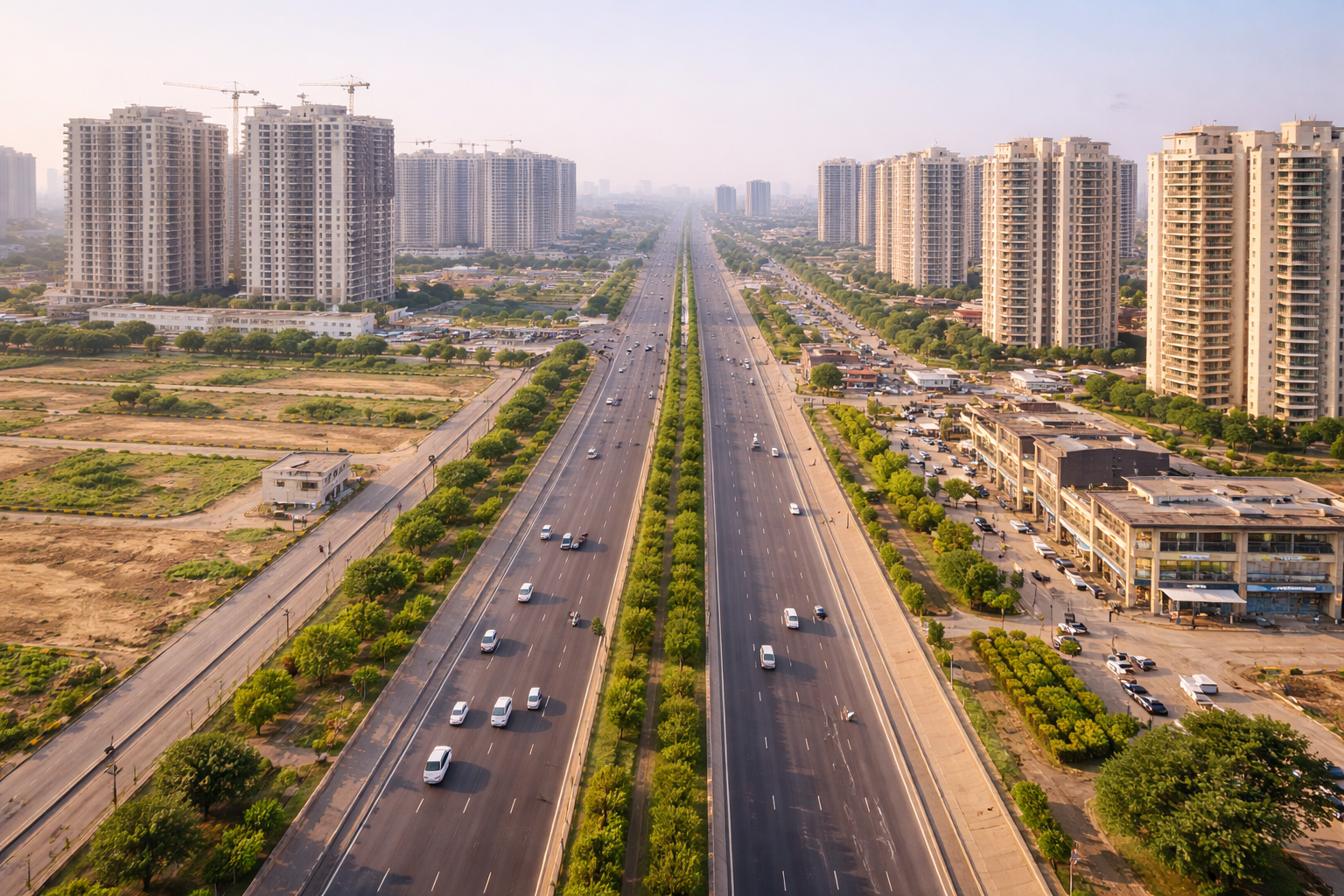
The corridor has moved from speculation to structured demand.
Key sectors attracting allocation:
- Sector 102
- Sector 113
- Sector 37D
- Sector 111
Balanced strategy here means evaluating both rental traction and price sustainability — not just future promise.
High Rental Yield Areas in Gurgaon (2026)
For investors targeting Gurgaon investment for monthly income, focus on:
- Sector 83 / 84 (mid-segment professionals)
- Sector 65 (premium corporate tenants)
- DLF Phase 2 (stable urban catchment)
- Golf Course Extension (corporate leasing belt)
2BHK units generally outperform 3BHK in rental yield efficiency.
Premium Golf Course Road properties typically offer lower yield (~3–3.5%) but stronger capital stability.
Rental-backed appreciation remains the most resilient allocation thesis in 2026.
For deeper comparison between yield vs capital strategy, see our detailed breakdown of Capital Appreciation vs Rental Yield in Gurgaon (2026).
Rental Yield vs Capital Appreciation: The 2026 Reality
Pure appreciation plays without rental depth carry higher holding risk.
The most resilient investments in Gurgaon today:
✔ Generate steady rental income
✔ Sit in employment-backed corridors
✔ Have manageable ticket size
✔ Offer liquidity on exit
Yield cushions volatility.
Speculation amplifies it.
Sector Risk Analysis: What Investors Must Acknowledge
True authority requires discussing risk.
- Ultra-luxury oversupply pressure in select belts
- Peripheral plotted execution delays
- Small commercial vacancy sensitivity
- Over-leveraged buyer exposure in high-ticket launches
Gurgaon rewards clarity — and punishes emotional allocation.
Comparative Investment Snapshot (2026)
| Asset Type | Rental Yield | Appreciation Outlook | Risk Level | Ideal Investor |
|---|---|---|---|---|
| Mid-Segment Apartments | 3.8–4.5% | Stable, rental-backed | Moderate | Salaried investors |
| Premium Apartments | 3–3.5% | Capital stability | Low–Moderate | Long-term allocators |
| Builder Floors | 3.5–4.5% | Steady growth | Moderate | Rental + resale focus |
| Plots (DDJAY) | Minimal | Long-term upside | Moderate–High | Patient investors |
| Commercial (Stabilized) | 6–8% | Yield-driven | High | Experienced investors |
Best Property Investment in Gurgaon by Investor Type
Salaried Professionals
2BHK in Sector 83–84 or builder floors in Sector 57 offer balanced yield and affordability.
NRI Investors
Ready-to-move premium apartments in mature corridors reduce management friction.
Long-Term Capital Builders
Peripheral plotted clusters under structured policy frameworks.
Yield Hunters
Stabilized commercial assets with tenant backing.
If you’re evaluating multiple sectors and need a structured comparison aligned with your risk profile and budget, a disciplined allocation discussion can prevent costly positioning mistakes.
Final Verdict: Gurgaon Dominance Strategy for 2026
The best real estate investment option in Gurgaon in 2026 depends on clarity of objective — not marketing noise.
In this cycle:
- Rental-backed assets outperform speculative launches
- Mid-segment quietly compounds
- Builder floors offer underappreciated strength
- Commercial rewards precision
- Plots require patience
If you’re asking where to invest in Gurgaon in 2026, the answer is simple:
Frequently Asked Questions About Real Estate Investment in Gurgaon (2026)
Is 2026 a good time to invest in Gurgaon real estate, or have prices already peaked?
2026 remains a strategically strong entry window in Gurgaon, but only in demand-backed sectors. Unlike the speculative cycles of 2014–2018, the current market is driven primarily by end-users and employment growth. While luxury segments have seen sharp appreciation since 2021, mid-segment apartments and rental-backed assets in sectors such as 83, 84, and parts of Dwarka Expressway still offer structured upside. The opportunity today is not about timing the lowest price, but about selecting sectors where rental demand supports long-term holding.
Which sectors in Gurgaon offer the highest rental yield in 2026?
In 2026, mid-segment corridors in New Gurgaon — particularly Sectors 83 and 84 — are generating some of the strongest rental yields in the 3.8–4.5% range depending on configuration. Builder floors in Sector 57 and established pockets like DLF Phase 2 also show consistent tenant absorption. Premium belts such as Golf Course Road typically deliver lower yields around 3–3.5%, but offer stronger capital stability. Yield performance is closely tied to ticket size, unit configuration, and proximity to employment hubs.
Are DDJAY plots in Gurgaon a safer investment than apartments?
DDJAY plots are structured for long-term capital appreciation rather than rental income. They can be powerful wealth-building assets in sectors like 92, 95, and 37D, but they require patience and a longer holding horizon. Apartments, on the other hand, provide rental cushioning and easier liquidity. The safer option depends on your objective: if you need monthly income, apartments are more suitable; if you are building capital over 7–10 years, plotted developments may offer stronger compounding potential.
Is commercial property in Gurgaon too risky for individual investors?
Commercial real estate in Gurgaon can generate higher rental yields — often in the 6–8% range in stabilized assets — but risk levels are materially higher than residential. Vacancy cycles, tenant quality, and lease structures significantly influence returns. Small-ticket commercial units without strong catchment demand can experience longer vacancy periods. Commercial investments are best suited for experienced investors who understand leasing dynamics and can tolerate income variability.
Should first-time investors focus on rental income or capital appreciation in Gurgaon?
For first-time investors in Gurgaon, rental-backed assets are generally more resilient than pure appreciation plays. A property generating stable rental income reduces holding pressure during market fluctuations and allows the investor to benefit from gradual capital growth. In 2026, sectors with strong employment access and manageable ticket sizes provide a more balanced entry compared to speculative launch-driven appreciation strategies.




Join The Discussion