
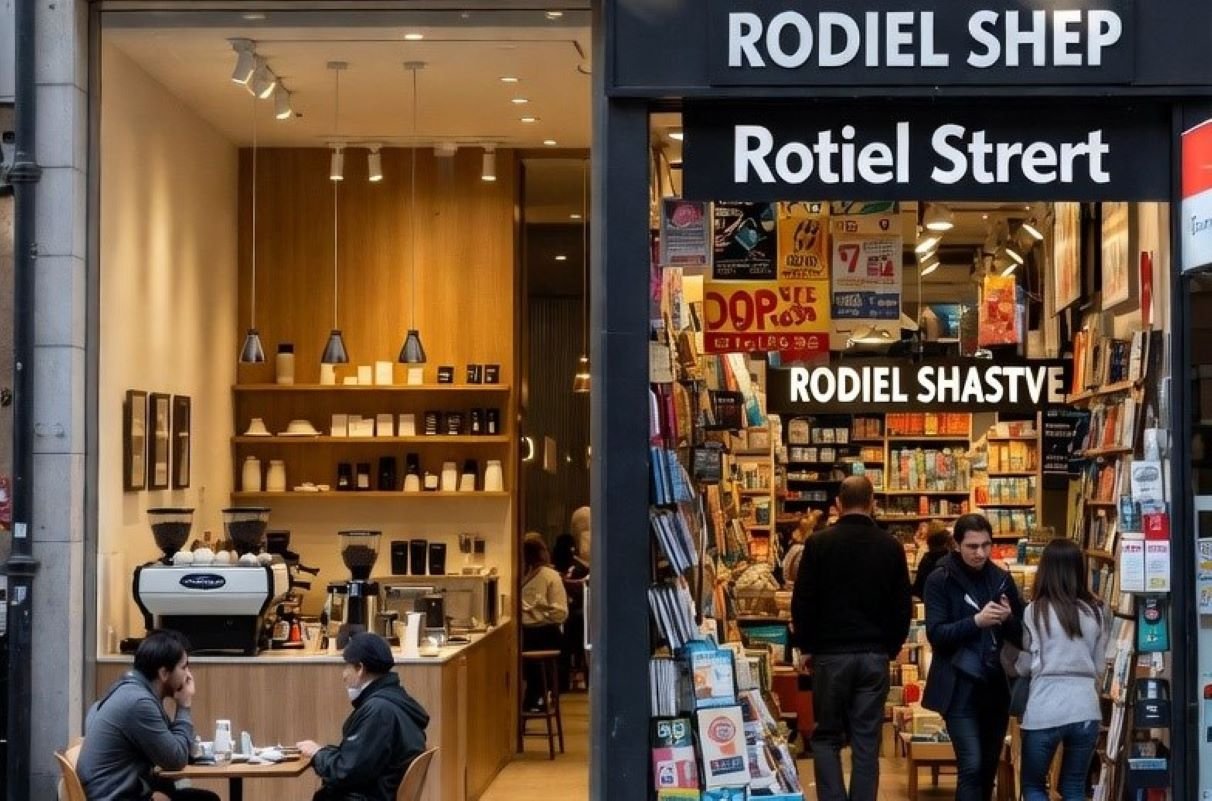
Retail real estate in India is evolving rapidly.
As consumer habits shift and brands rethink how physical stores fit into their strategy, two commercial formats are drawing increasing attention—SCO developments and traditional high-street retail.
Developers, investors, and retail operators are all evaluating the same question: which format actually attracts stronger, more sustainable brands?
Surface comparisons often frame the discussion as “mixed-use versus retail-only.” In practice, the distinction runs deeper. Brand type, operational model, location maturity, and long-term scalability all influence which format performs better. Looking closely at these factors reveals why certain brands gravitate toward SCO developments while others still prefer high-street environments.
Understanding the Two Formats Beyond Definitions
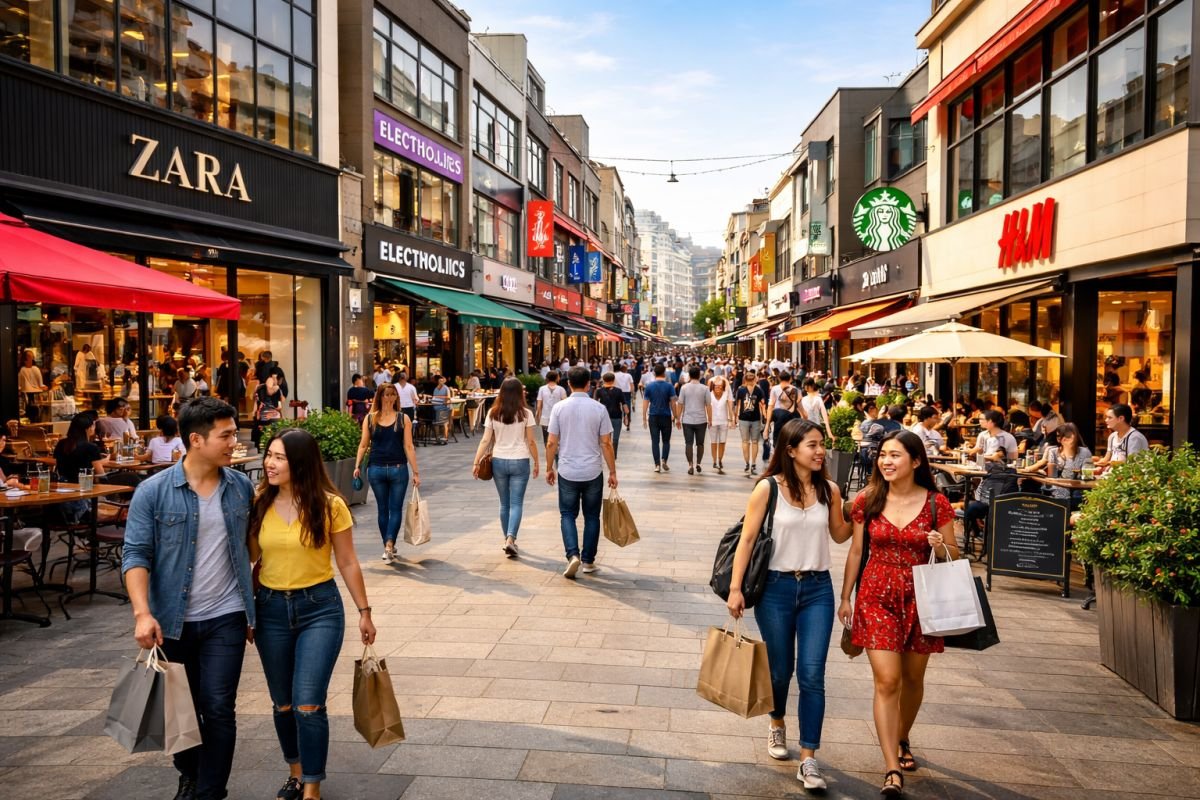
High-street retail typically refers to commercial streets where shops line the frontage continuously. Locations such as Connaught Place, Khan Market, and major arterial corridors across Gurgaon and Delhi NCR are classic examples. Their strength lies in visibility, pedestrian movement, and impulse-driven shopping behavior.
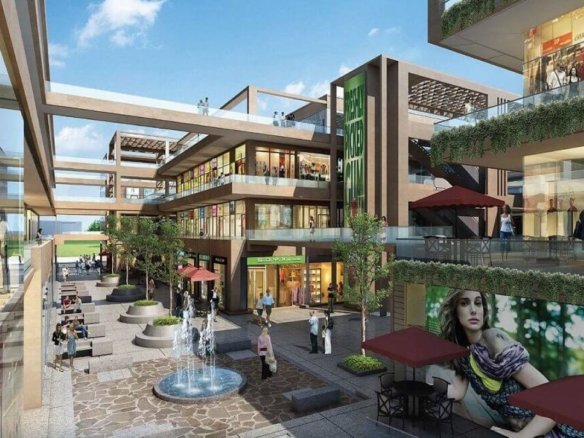
SCO developments follow a different planning philosophy. These projects combine retail and business functions within the same structure. Lower levels usually accommodate retail outlets, while upper floors host offices, clinics, studios, or service-based businesses.
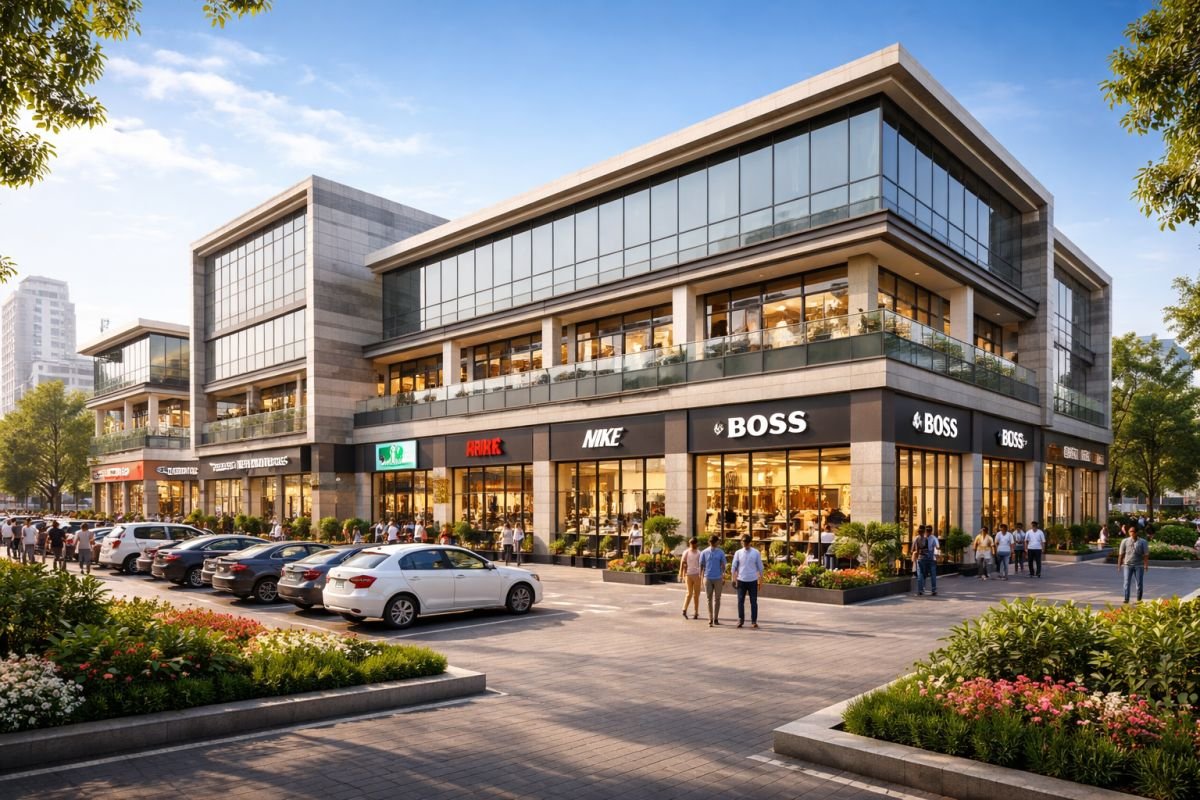
Rather than replicating high streets, SCO projects are designed to function as self-contained commercial ecosystems where retail activity benefits from surrounding professional and service uses.
What “Better Brands” Actually Means
When people discuss “better brands,” they rarely mean the same thing.
In reality, brand priorities vary widely. Some retailers depend heavily on visibility and spontaneous walk-in customers. Others focus more on customer loyalty and repeat usage. A third group emphasizes operational efficiency, predictable demand, and manageable rental structures.
Because these priorities differ, the format that attracts stronger brands often depends on the type of business evaluating the location.
Why High-Street Retail Still Attracts Many Brands
High-street environments remain extremely attractive for brands that rely on spontaneous customer traffic.
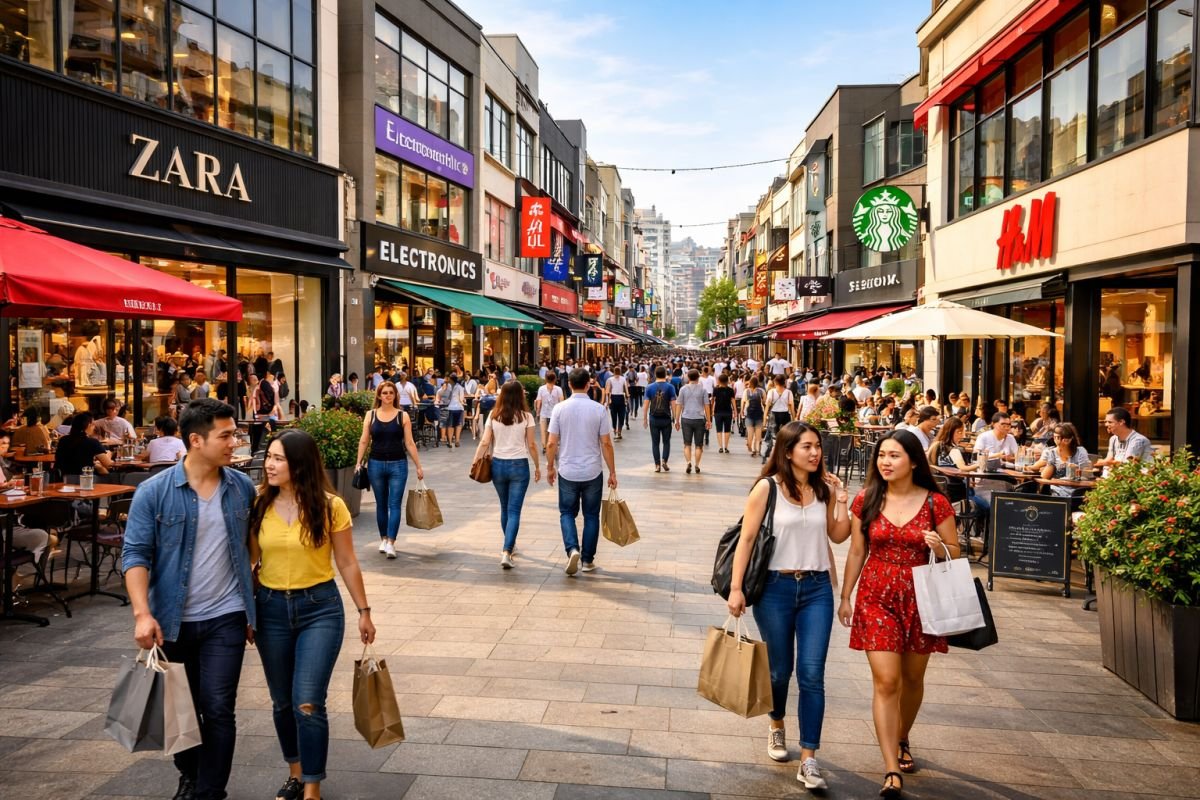
Fashion retailers, café chains, QSR brands, electronics stores, and lifestyle outlets often benefit from the constant exposure that busy retail streets provide. In these environments, visibility can be just as important as accessibility.
Another advantage is clustering. When multiple retail categories operate in close proximity, customers tend to spend more time in the area, increasing opportunities for cross-shopping.
However, this environment also brings challenges. Rentals often escalate quickly, competition becomes intense, and many brands find it difficult to sustain margins after the initial excitement fades.
Why SCO Developments Are Attracting Serious Brands
SCO projects increasingly appeal to businesses that prioritize stability and operational clarity rather than purely walk-in traffic.
Service-driven brands perform particularly well in these environments. Premium clinics, diagnostic centers, boutique fitness studios, design consultancies, fintech offices, legal practices, and specialty restaurants frequently choose SCO developments.
These businesses depend more on scheduled visits and repeat customers than on impulse purchases. The mixed-use environment of SCOs helps generate a steady flow of visitors throughout the day.
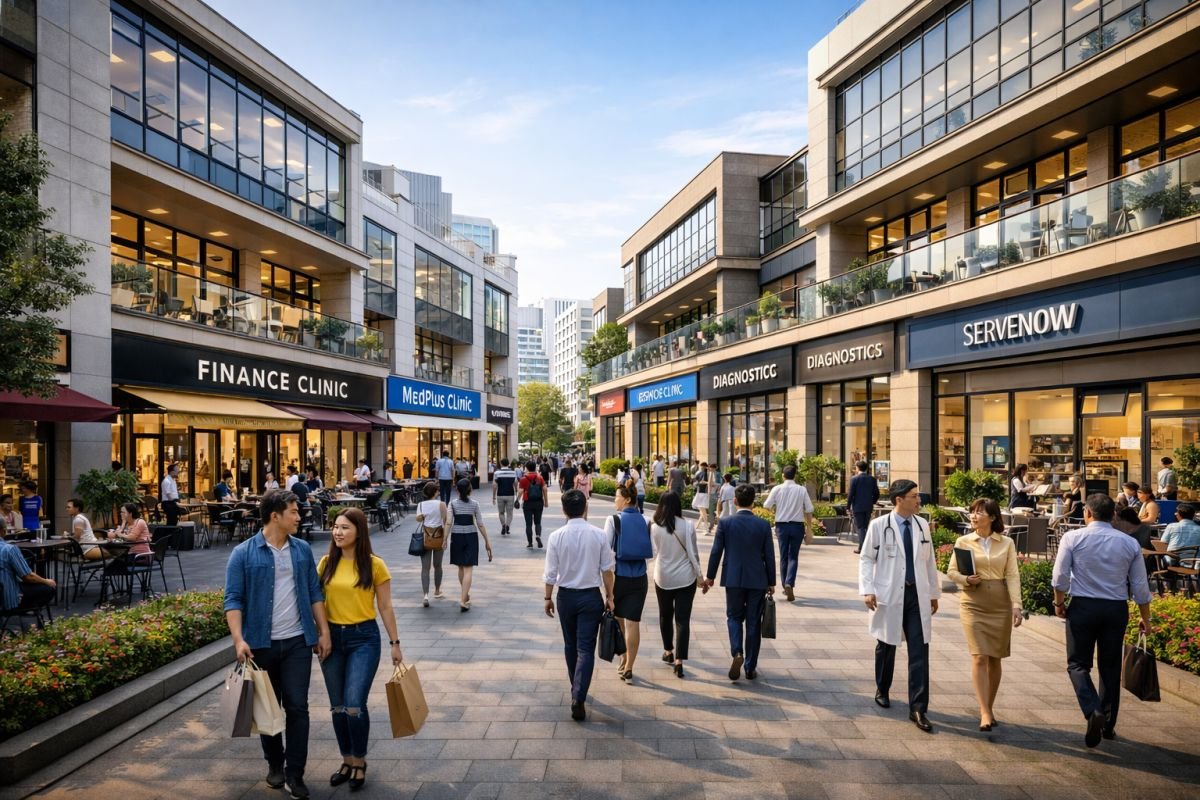
For example, office employees working upstairs may regularly visit a café, clinic, or convenience retailer on the ground floor. Over time, this interaction creates predictable customer patterns that many brands find more reliable than purely footfall-driven retail streets.
Brand Alignment Matters More Than Brand Volume
High-street locations often attract a larger number of brands. Yet the presence of many retailers does not automatically translate into stronger tenant stability.
SCO developments usually host fewer businesses, but tenants often operate with clearer long-term plans. Many service-oriented brands invest heavily in interior setup and customer relationships, which makes relocation disruptive.
As a result, tenant churn in well-planned SCO projects is typically lower than in high-street environments where retailers frequently rotate while testing new locations.
From a long-term investment perspective, tenant stability often proves more valuable than short-term brand excitement.
Rental Economics and Brand Decisions
Rental structures also influence where brands choose to operate.
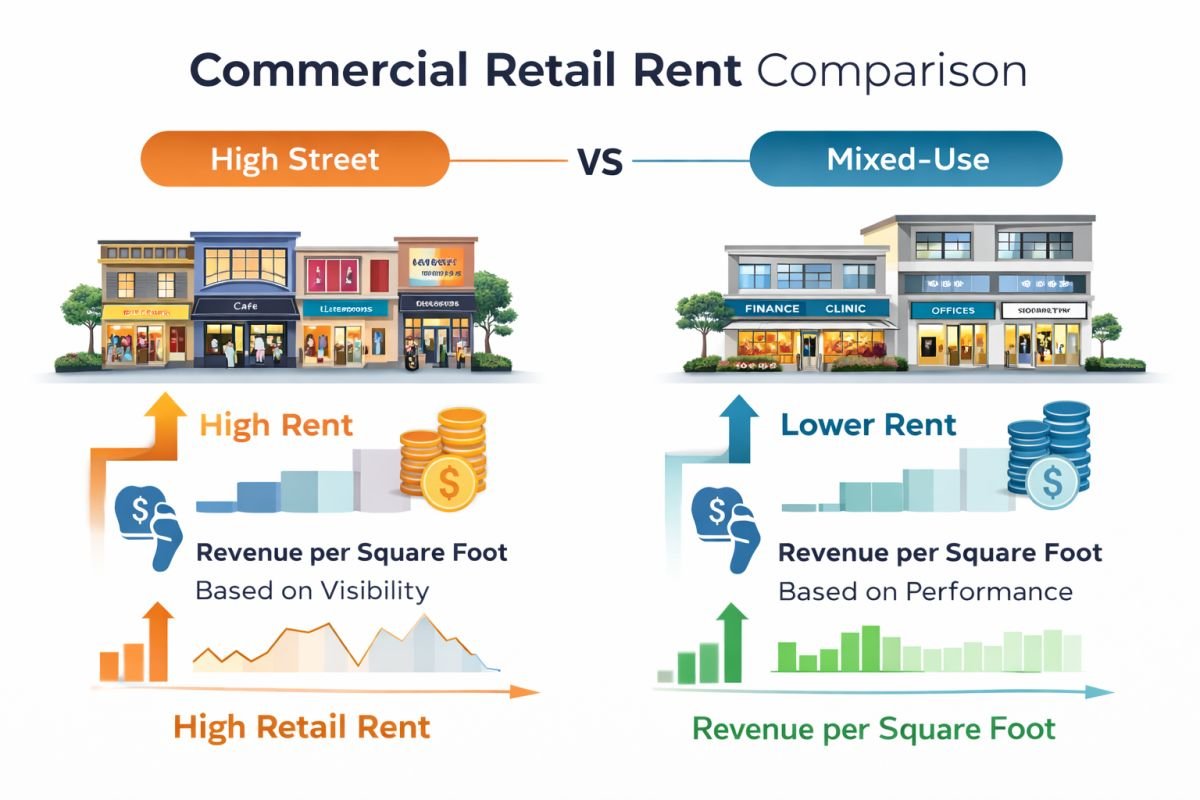
High-street locations command premium rents largely because of frontage and traffic expectations. In many cases, retailers commit to these locations hoping that visibility will translate into strong sales.
SCO projects usually follow a more performance-driven rental logic. Brands often evaluate potential revenue per square foot before committing.
This dynamic tends to attract businesses that approach location decisions with greater operational discipline.
Location Maturity Changes the Outcome
The relative advantage of each format often depends on the maturity of the surrounding market.
In emerging corridors, unstructured high-street environments may take years to develop consistent footfall. SCO projects in these areas can establish organized commercial activity more quickly because infrastructure, parking, and zoning are planned from the outset.
In contrast, legacy retail zones with established consumer movement still favor high-street formats, especially for flagship stores seeking maximum visibility.
Investor and Developer Perspective
For investors, the strength of a commercial property often depends on tenant stability rather than tenant count.

Properties anchored by businesses with repeat-usage models—such as clinics, service firms, and specialty retailers—tend to generate more predictable rental income.
Developers also find it easier to curate tenant mixes within SCO projects. Zoning, signage control, and facility management can be standardized across the development. High-street environments, once fragmented ownership spreads across multiple investors, often become harder to manage cohesively.
This difference partly explains why institutional investors have shown growing comfort with curated mixed-use retail formats.
Which Format Ultimately Attracts Better Brands?
The answer depends on the type of brand evaluating the location.
High-street retail continues to attract brands seeking maximum visibility and high-volume exposure. These businesses rely heavily on walk-in traffic and strong street presence.
SCO developments tend to appeal to businesses focused on operational stability, repeat customers, and long-term business sustainability.
As India’s retail ecosystem matures, many brands are gradually shifting attention toward formats that offer predictable demand and manageable operating conditions. Within that context, well-planned SCO developments are gaining increasing relevance.
FAQs: SCO vs High-Street Retail
Do luxury brands prefer high streets or SCO projects?
Luxury fashion retailers usually prefer established high-street locations for flagship visibility. However, boutique luxury services and experience-focused brands increasingly consider SCO developments.
Are SCO developments suitable for pure retail brands?
Yes, particularly for brands that rely on destination visits rather than impulse traffic. Cafés, specialty stores, clinics, and service providers often perform well in SCO environments.
Which format offers more stable rental income?
SCO projects generally provide greater rental stability because tenants often operate long-term service-based businesses with lower churn.
Is high-street retail losing relevance?
Not at all. Well-established retail streets continue to attract strong brands. However, the format works best in locations where consistent consumer footfall already exists.
Which format works better for brands entering a new market?
SCO developments can provide a controlled environment for testing new markets, especially for niche or service-driven businesses.


Join The Discussion