
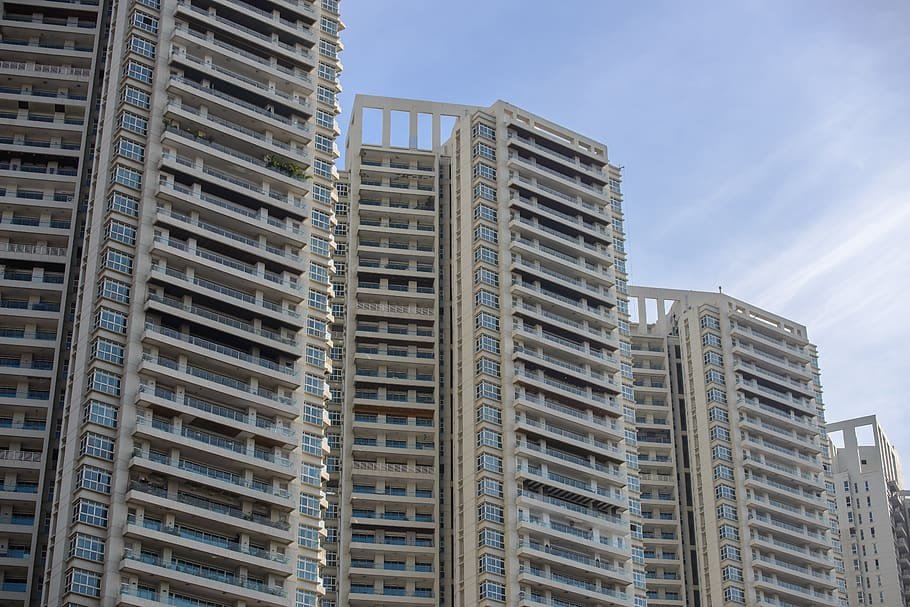
In cities like Gurgaon, Mumbai, and Bangalore, high-rise living isn’t new anymore. It’s the default.
And almost every serious buyer, at some point, gets pulled into the same discussion — which floor makes the most sense?
It sounds like a lifestyle choice.
It quickly becomes a pricing decision.
Move a few floors up, and the number changes. Not slightly — sometimes enough to impact your entire budget planning.
That extra cost is what developers call a floor rise premium.
Most people don’t question it deeply at the time of booking. The assumption is simple: higher floor = better value.
The reality is a bit more layered than that.
What You’re Really Paying For
If you look at the pricing sheet, it feels systematic.
Lower floors sit at a base price. Then every few floors, there’s a jump — ₹50, ₹100, sometimes ₹250–₹300 per sq ft in certain Gurgaon projects.
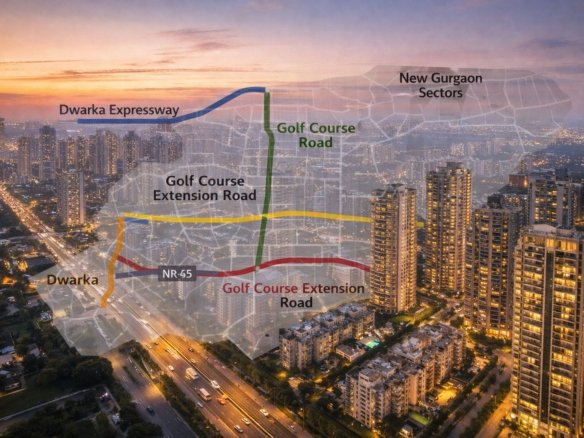
In areas like Golf Course Road or DLF Phase 5, these jumps can quietly add several lakhs to the final cost.
In sectors along Dwarka Expressway or New Gurgaon (79–89), the increases are usually tighter — partly because buyers there are far more price-conscious.
So yes, there’s a structure.

But it’s not driven purely by cost.
Why This Premium Exists in the First Place
The construction difference between the 5th and, say, the 25th floor isn’t what you’re paying for.
What’s really being priced in is perception.
Height gets positioned as:
- more premium (at least that’s the narrative during sales)
- a bit more private, especially in dense projects
- and that “luxury” feel — something buyers tend to respond to emotionally
Stand in a sample flat on a higher floor, look out at an open skyline, and the pitch starts making sense. That moment sells.
And to be fair, Gurgaon’s ground-level reality — traffic, dust, noise — does make height feel attractive.
Where Higher Floors Actually Deliver
There is a real difference once you start living there.
If the project is near a busy road or commercial stretch, the noise drop is noticeable. Not dramatic, but enough to matter daily.
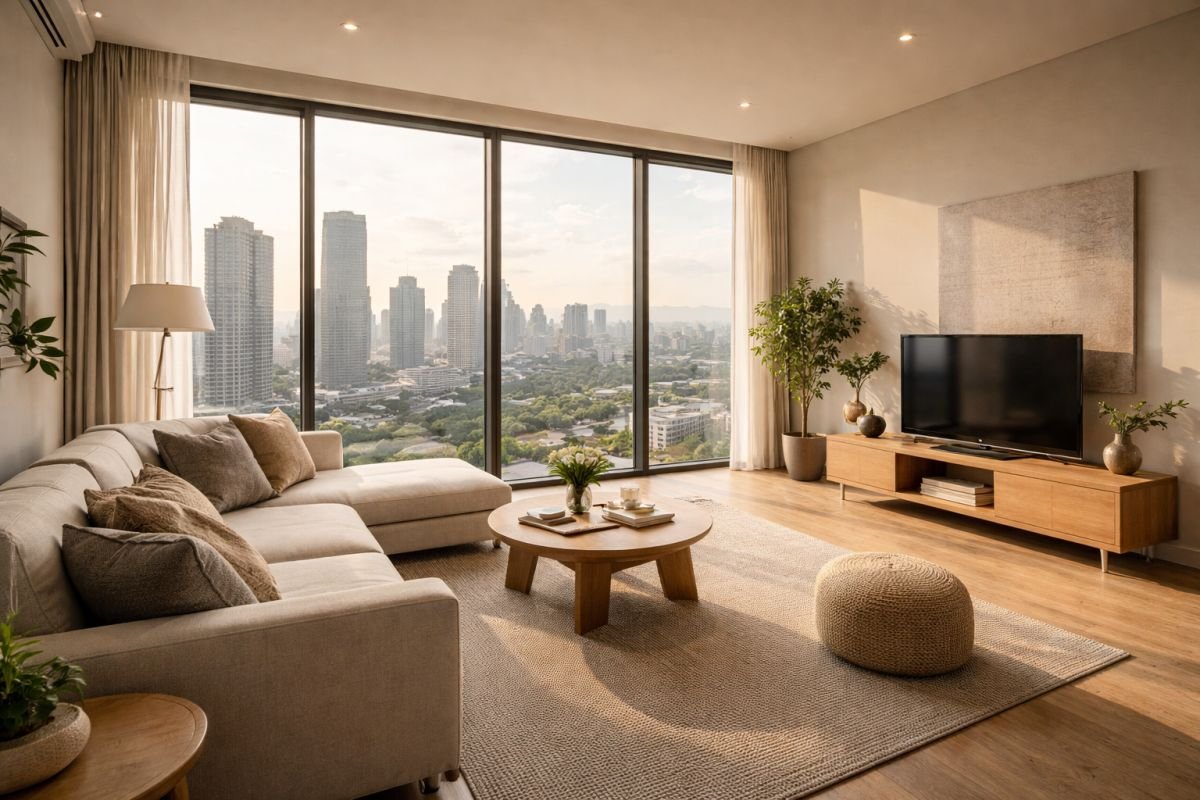
Air feels lighter. Dust is lower. You get more natural light.
And then there’s the view — which is often the deciding factor.
A park-facing apartment or anything overlooking a golf course or open greens feels very different on the 20th floor compared to the 5th. It’s quieter visually, less cluttered.
For someone planning to live there long-term, this isn’t a small thing.
Where Buyers Usually Misjudge the Decision
The buying moment and the selling moment don’t behave the same way.
At the time of purchase, most decisions are slightly emotional. You’re imagining your life there — mornings, evenings, the view, the feeling of space.
Fast forward a few years, and resale buyers look at the same property very differently.
They compare.
Not just floors — total price, size, alternatives in the same society.

That’s where the premium starts getting questioned.
What Actually Happens in Resale
Across Gurgaon, a fairly consistent pattern shows up.
In the ₹1–2.5 Cr range — especially New Gurgaon and Dwarka Expressway — buyers tend to lean toward mid-floor units if pricing is attractive. The difference in floor doesn’t justify a big jump for them.
Move to the ₹3–6 Cr bracket (Golf Course Extension, SPR), and preferences shift slightly. Higher floors are appreciated, but only within reason. Push the premium too far, and negotiation starts immediately.
At the very top end — DLF, ultra-luxury developments — the equation changes. There, height, view, and positioning can genuinely influence pricing. But that’s a small slice of the market.
For most properties, resale is less about “which floor is better” and more about “which deal makes sense right now.”
The Trade-Off That Doesn’t Get Enough Attention
Paying extra for height is essentially locking part of your budget into a feature that doesn’t always scale later.
It looks small on a per sq ft basis.
In total value, it isn’t.
If your overall cost goes up by 10–12% because of floor preference, but resale buyers only recognise a fraction of that difference, the gap becomes your burden.
That same amount could have shifted you to a better location. Or a larger unit. Or simply reduced financial pressure.
Not every buyer looks at it this way — but the ones who do rarely overpay here.
When It Does Make Sense to Pay Extra
There are clear cases where the premium feels justified.
A permanently open view changes the equation completely. Golf course-facing units, large green belts, or government-protected land parcels — these are unlikely to get blocked later.
Projects that attract lifestyle-driven buyers also behave differently. People aren’t just buying space there; they’re buying experience.
And if you’re planning to live in the apartment for many years, the daily comfort — light, air, quiet — starts to matter more than the entry price difference.
When It’s Better to Stay Grounded
Situations where caution helps:
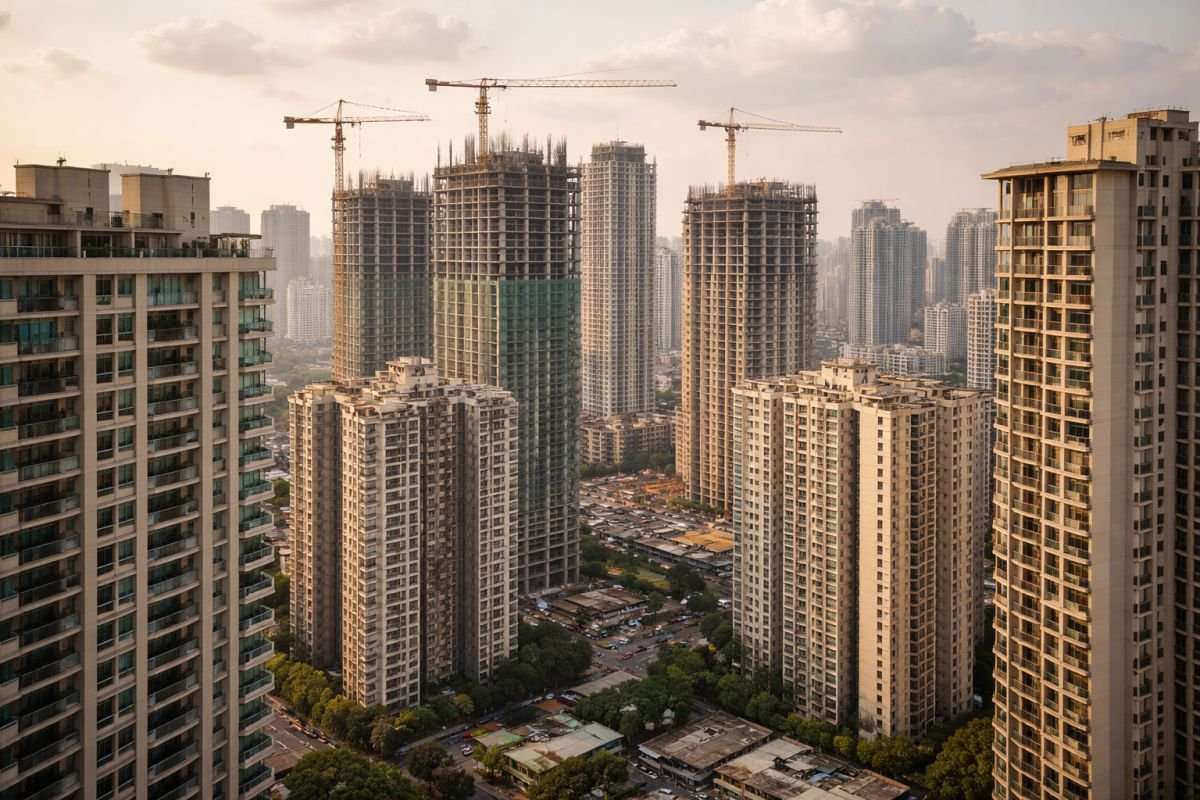
- Surrounding land is still empty but not protected (future towers are likely)
- The project itself has multiple phases coming up
- Your primary goal is resale or rental income
In these cases, the “view” you’re paying for today may not hold.
And most future buyers won’t pay extra just because your unit is higher.
So, Is the Floor Premium Worth It?
There isn’t a universal answer — but there is a better way to think about it.
If your priority is lifestyle, and the difference genuinely improves how you’ll live every day, paying a reasonable premium is fair.
If you’re approaching this as an investment, or even with a medium-term exit in mind, staying closer to mid-floor pricing usually gives you more flexibility later.
What matters isn’t the height itself.
It’s whether that extra amount still makes sense to someone else when you decide to sell.
FAQs
Do higher floors actually sell for more later?
Sometimes — but not as much as buyers expect. In most mid-segment Gurgaon projects, a well-priced mid-floor unit will move faster than a high-floor one carrying an inflated expectation.
Is it risky to buy on a higher floor?
Not risky in terms of living quality — in fact, many people prefer it. The risk is mostly financial: overpaying upfront and struggling to justify that premium during resale.
What do most buyers in Gurgaon usually choose?
Interestingly, mid-floors. They strike a balance — not too low, not too expensive — and that keeps both entry and exit easier.
Does a better view always mean better value?
Only if the view stays. If there’s even a small chance of future construction blocking it, that advantage fades quickly.
If I really like a high floor, should I still avoid it?
Not necessarily. Just make sure you’re not stretching your budget purely for the floor. If it fits comfortably and the project has long-term clarity around views, go ahead — just don’t assume it’s an “investment advantage.”



Join The Discussion