
Gurgaon has transformed dramatically over the last two decades.
What once started as a corporate satellite town has evolved into one of North India’s most active urban real estate markets. Luxury residential towers, office campuses, shopping malls, and mixed-use developments now dominate the city’s skyline.
To understand how different asset classes compare, many investors begin with a detailed commercial property investment guide Gurgaon.
But beyond these visible sectors, another segment has been expanding quietly — healthcare-focused commercial real estate.
Across Gurgaon, demand for clinics, diagnostic centres, physiotherapy studios, and specialty medical facilities is rising steadily. From neighborhood clinics inside mixed-use developments to institutional healthcare facilities, medical spaces are becoming an important component of the city’s commercial infrastructure.
For investors, this raises a natural question.
Is healthcare commercial real estate simply another emerging trend, or does it represent a more stable long-term property segment?
Understanding how healthcare spaces operate helps answer that question.
Why Healthcare Commercial Spaces Work Differently
Medical real estate behaves differently from most retail or office properties.
A clothing brand can relocate when sales fall. Corporate offices may shift buildings if a better space becomes available.
Healthcare practices operate differently.
Once a doctor establishes a clinic, relocation becomes difficult. Equipment installation, licensing requirements, and patient familiarity with the location all create strong ties to that space.
Patients also prefer medical facilities that are close to home or work.
Because of this, clinics, diagnostic labs, and therapy centres tend to remain in the same location for years.
This is one reason healthcare commercial spaces often show more stable occupancy compared to several retail categories.
People may postpone shopping or discretionary spending during economic slowdowns. Healthcare services, however, remain essential.
Healthcare Demand Is Rising Across Gurgaon
Gurgaon’s growing healthcare ecosystem reflects the city’s changing demographics.
The population today includes high-income professionals, expatriates, entrepreneurs, and senior executives working across multinational corporations. Access to quality healthcare is now a basic expectation for many residents.
Large healthcare institutions have already responded to this demand.
Hospitals such as Medanta, Artemis Hospital, Fortis, and Max Healthcare operate major facilities in Gurgaon, drawing patients not only from the city but from across North India.
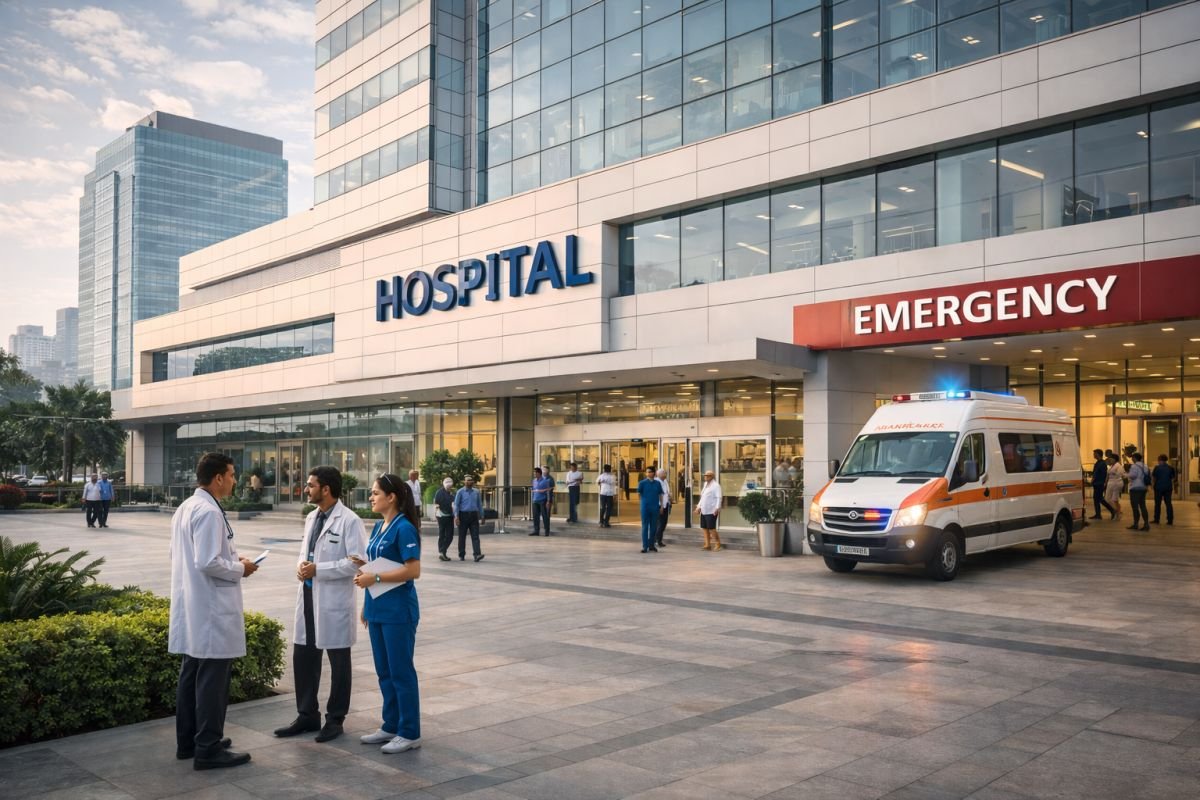
Alongside these hospitals, smaller healthcare businesses are expanding quickly. Dental clinics, dermatology practices, fertility centres, physiotherapy studios, and mental health clinics have become increasingly common.
Diagnostic chains like Dr Lal PathLabs and SRL Diagnostics are also expanding their presence across residential neighborhoods.
Together, these services create steady demand for well-located medical commercial spaces.
Residential Expansion Is Creating New Healthcare Hubs
One of the strongest drivers of healthcare demand in Gurgaon is residential growth.
Over the past decade, large housing clusters have emerged along Golf Course Extension Road, Southern Peripheral Road, Dwarka Expressway, and New Gurgaon. Thousands of families now live in these areas.
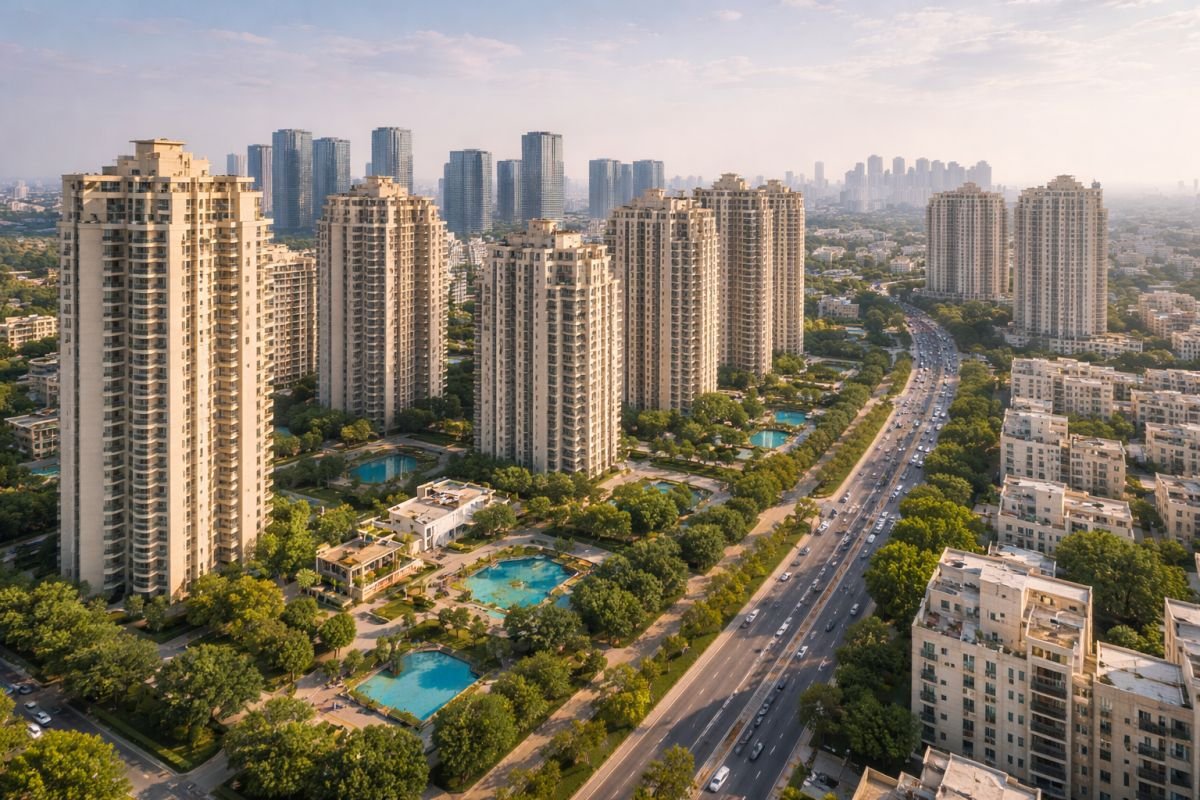
As communities expand, residents expect access to nearby medical services.
Neighborhood clinics, dental studios, pathology labs, and physiotherapy centres are often among the first businesses to appear in newly developed residential areas.
Commercial developments located within or near these residential clusters often attract healthcare tenants quickly.
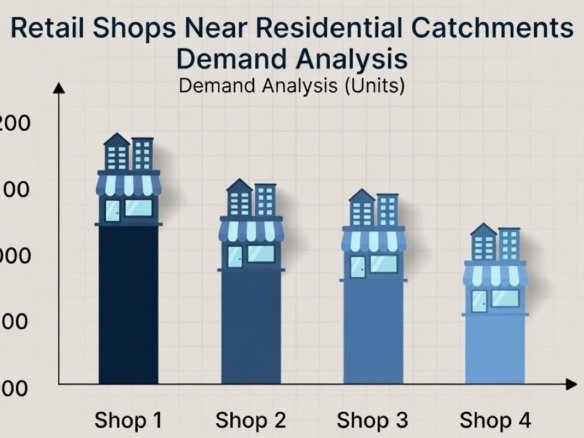
For investors, proximity to residential catchments is frequently more important than high street retail visibility.
Corporate Workforce Adds Another Layer of Demand
Gurgaon’s strong corporate presence further supports healthcare activity.
Office districts such as Cyber City, Udyog Vihar, and Golf Course Road host thousands of professionals working in technology, consulting, finance, and multinational companies.
Working professionals frequently require quick access to healthcare during the workday. Routine consultations, blood tests, physiotherapy sessions, and preventive check-ups often take place during office hours.
Clinics located near office corridors benefit from this weekday demand.
The result is a balanced patient flow — residential demand during evenings and weekends, and corporate demand during weekdays.
Types of Healthcare Commercial Spaces Investors See
Healthcare real estate in Gurgaon generally falls into three broad formats.
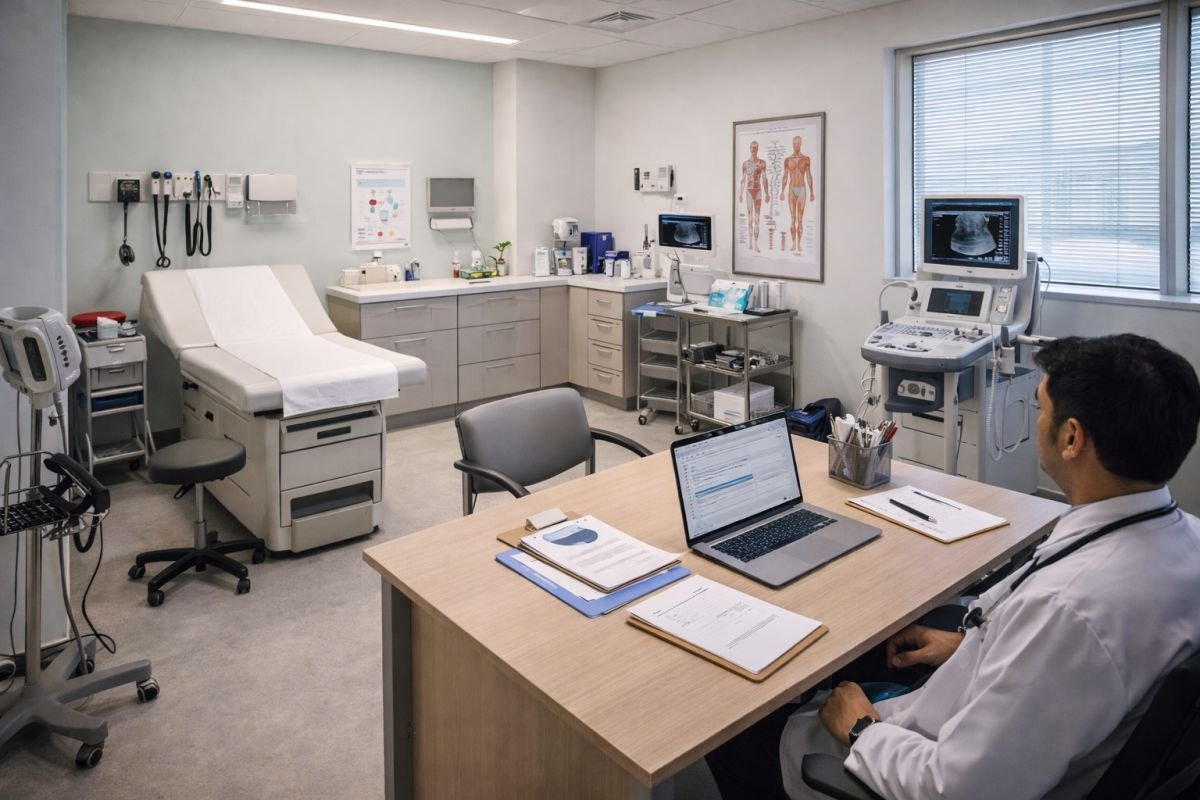
The most common are small outpatient clinics and medical studios. These units usually range between 300 and 1,200 square feet and are used by dentists, dermatologists, psychologists, physiotherapists, and other specialists. They often operate inside mixed-use developments or SCO projects.
These formats are often compared while evaluating the office vs retail vs SCO investment comparison to understand where healthcare fits within commercial assets.
A second category includes diagnostic and imaging centres. These spaces require larger floor areas and specialized infrastructure to support medical equipment. Pathology laboratories and imaging chains typically sign longer leases because relocating equipment can be expensive.

The third format involves multi-specialty hospitals or day-care surgical centres. These facilities require large floor plates or institutional plots and are usually operated by hospital chains or healthcare networks.
Each format serves a different healthcare need and comes with a different investment profile.
Rental Stability and Income Expectations
Healthcare tenants tend to stay longer than many retail businesses.
Opening a clinic requires interior modifications, medical equipment installation, licensing approvals, and patient awareness within the neighborhood. Moving to a new location means rebuilding that entire setup.
Because of this, many medical tenants prefer long lease agreements.
Vacancy cycles are often lower, and lease renewals are more common compared to retail shops that frequently change brands.
Rental yields may not always exceed prime retail locations. However, the income pattern tends to be steadier.
For investors who prioritize stability over short-term spikes in returns, healthcare commercial spaces can be appealing.
Locations That Work Well for Healthcare Investments
Location still plays a decisive role.
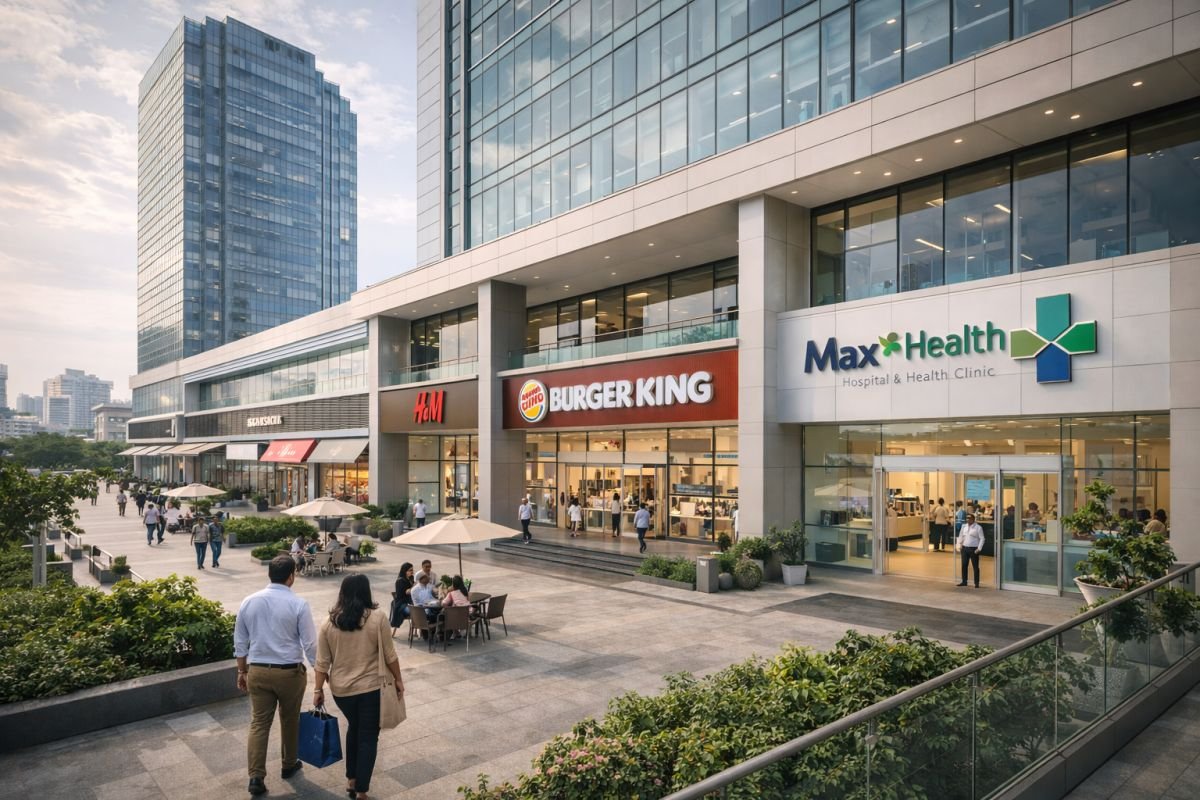
Choosing the best locations for commercial property Gurgaon is critical, especially when targeting residential-driven healthcare demand.
Affluent corridors such as Golf Course Road and Golf Course Extension Road attract high-end clinics and specialty medical practices because of strong residential catchments and corporate presence.
Southern Peripheral Road (SPR) has also emerged as an important healthcare corridor. Rapid residential development along this stretch has created demand for organized neighborhood medical facilities.
Meanwhile, Dwarka Expressway and New Gurgaon represent future growth zones. As residential density increases, demand for clinics and diagnostic centres in these areas is likely to grow.
Accessibility, parking availability, and proximity to residential communities often matter more than prime retail frontage when evaluating healthcare spaces.
Risks Investors Should Consider
Healthcare commercial properties are relatively stable, but they still require careful evaluation.

Regulatory compliance is one of the most important factors. Medical facilities must follow strict guidelines related to fire safety, biomedical waste disposal, power backup, and licensing approvals.
Buildings that do not meet these requirements may struggle to attract reputable healthcare tenants.
Oversupply can also occur in poorly planned commercial clusters. Not every project marketed as “medical-friendly” actually attracts doctors or diagnostic chains.
Tenant profile matters as well.
Established healthcare networks or diagnostic chains typically provide stronger lease stability than independent practitioners who may relocate if their practice does not perform well.
Healthcare vs Retail Commercial Property
Retail spaces depend heavily on consumer behaviour.
Footfall patterns, brand popularity, and economic cycles all influence retail tenant performance. Shops may open and close frequently depending on sales.
Healthcare businesses operate differently.
Patients continue visiting doctors regardless of retail trends. Once a clinic builds trust within a local community, it often remains in the same location for years.
Retail investments may occasionally generate higher peak returns, but tenant turnover is also higher.
Healthcare spaces generally offer steadier occupancy and more predictable rental patterns.
Long-Term Outlook for Healthcare Real Estate in Gurgaon
Healthcare demand in Gurgaon is expected to grow alongside the city’s population and rising income levels.
Preventive healthcare, mental health services, physiotherapy, fertility treatments, and advanced diagnostics are expanding rapidly across urban India.
These trends align closely with the broader future of commercial real estate Gurgaon NCR, where service-driven commercial assets are expected to grow.
As these services grow, the need for properly designed medical commercial spaces will increase.
Healthcare property is not a speculative format driven by fashion trends or entertainment cycles. It is tied to everyday services people rely on.
That practical demand gives the sector long-term relevance within Gurgaon’s commercial real estate landscape.
FAQs: Medical & Healthcare Commercial Spaces in Gurgaon
Is healthcare commercial property in Gurgaon considered a safe investment?
Healthcare commercial property is generally viewed as relatively stable because medical tenants tend to stay in one location for longer periods. Clinics and diagnostic centres invest heavily in equipment and interior setups, which discourages frequent relocation. However, investors should still verify regulatory approvals and tenant suitability before buying.
Do healthcare tenants usually sign longer leases than retail tenants?
In many cases they do. Medical facilities require specialized infrastructure and licensing approvals. Because moving equipment and rebuilding patient networks is expensive, healthcare tenants usually prefer longer lease commitments.
Which locations in Gurgaon are suitable for healthcare commercial investments?
Areas with strong residential density typically perform best. Corridors such as Golf Course Extension Road, Southern Peripheral Road, and emerging sectors along Dwarka Expressway are seeing increasing demand for clinics, diagnostics, and specialty healthcare services.
Are healthcare commercial spaces more stable than retail shops?
Retail shops may deliver higher peak returns in prime locations but often experience tenant turnover. Healthcare tenants usually stay longer because their operations are location-dependent. This can make rental income more predictable over time.
What should investors check before purchasing a medical commercial unit?
Investors should verify whether the property meets healthcare infrastructure requirements, including fire safety compliance, parking access, power backup, and licensing eligibility. Evaluating the surrounding residential catchment and the type of healthcare tenant likely to occupy the space is also important


Join The Discussion