
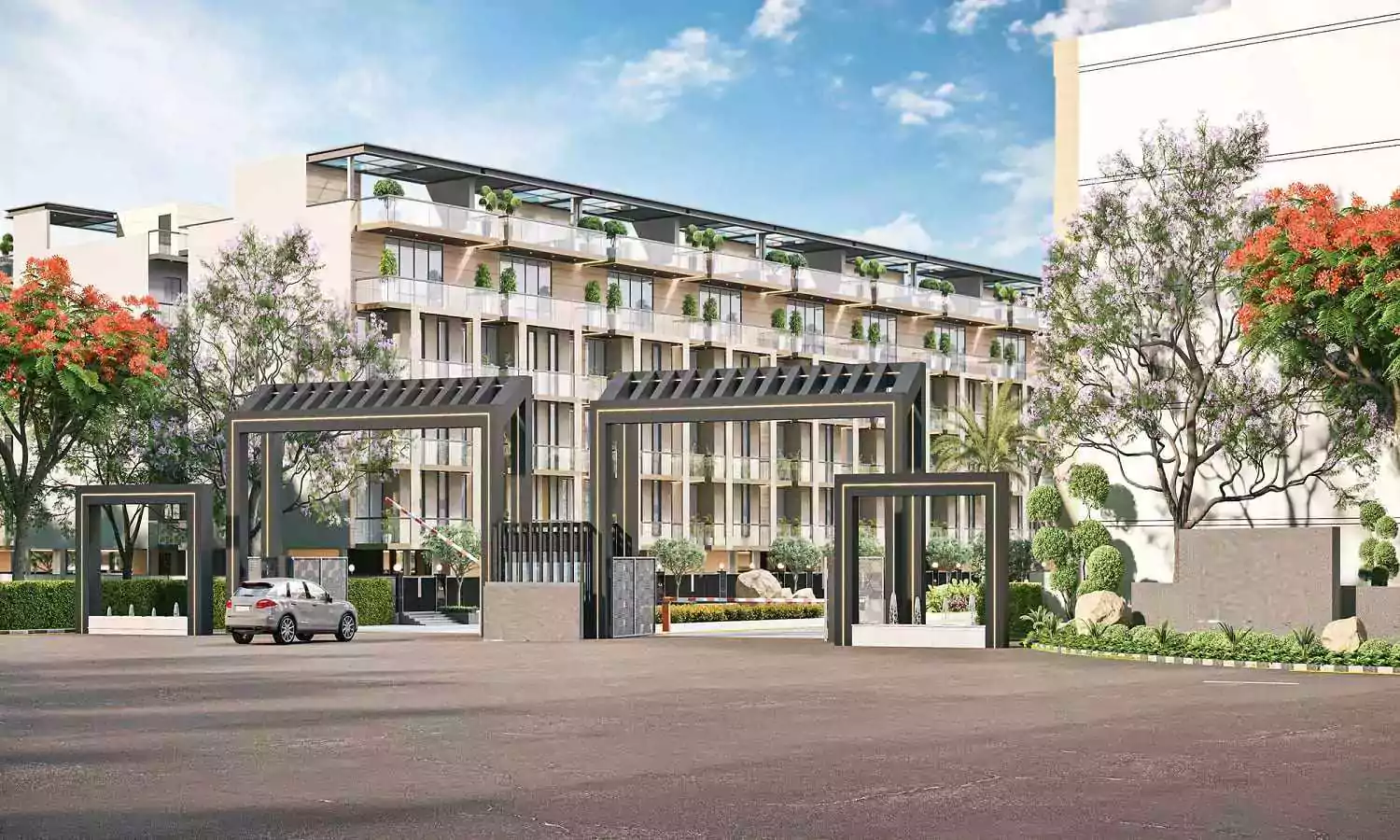
Low-rise builder floors in Gurgaon have moved from being a niche plotted format to one of the most searched residential options in 2026. As buyers compare independent floor in Gurgaon price trends with premium apartment launches, the builder floor vs apartment Gurgaon debate has become central to upgrade decisions, asset allocation strategy, and long-term lifestyle planning.
At the same time, demand for luxury builder floors in Gurgaon and new builder floors in Gurgaon has accelerated across both DLF core and emerging Golf Course Extension corridors. But here’s the critical truth:
A builder floor purchase means very different things when viewed from:
- An investment lens
- A long-term living lens
This flagship guide breaks down price intelligence, G+4 policy impact, sector-level liquidity, and real market risks—based on 2026 Gurgaon ground realities.
What Are Low-Rise Builder Floors in Gurgaon?
Low-rise builder floors are independent residential units built on plotted land, typically structured as stilt + 3 or stilt + 4 floors. Each floor has separate ownership, often with:
- Dedicated parking
- Lift access (in premium builds)
- Independent entry
- Limited shared common areas
Unlike high-rise societies, these homes prioritize privacy, lower density, and land-backed ownership.
In Gurgaon, this format is dominant across:
- DLF Phase 1–5
- Sushant Lok
- South City
- Nirvana Country
- Sector 45 / 46 / 57
- Sector 63A / 65 / 67
- Sector 82–92 belts
However, not all sectors behave the same in terms of appreciation or resale liquidity.
G+4 Builder Floor Policy Gurgaon: What Changed in 2026?
The G+4 builder floor policy Gurgaon significantly altered supply dynamics.
While the policy permitted stilt + 4 independent floors on eligible plots, the real impact was structural:
Increased Supply in Select Belts
Sectors 82–92 saw a surge in new low-rise launches due to easier approvals.
Parking Compression
Smaller 180–240 sq yd plots experienced stilt parking pressure when four families shared limited frontage.
Design Compromise
In aggressive builds, ventilation and layout efficiency sometimes reduced.
Quality Variance
Local developer-led projects created construction inconsistency across supply-heavy belts.
Contrast with DLF Core
In low rise floors in DLF Phase 1–5, land scarcity still dominates pricing, limiting uncontrolled oversupply.
The policy didn’t just allow construction.
It reshaped density, liquidity, and price behavior across micro-markets.
2026 Price Snapshot: Independent Floor in Gurgaon Price Trends
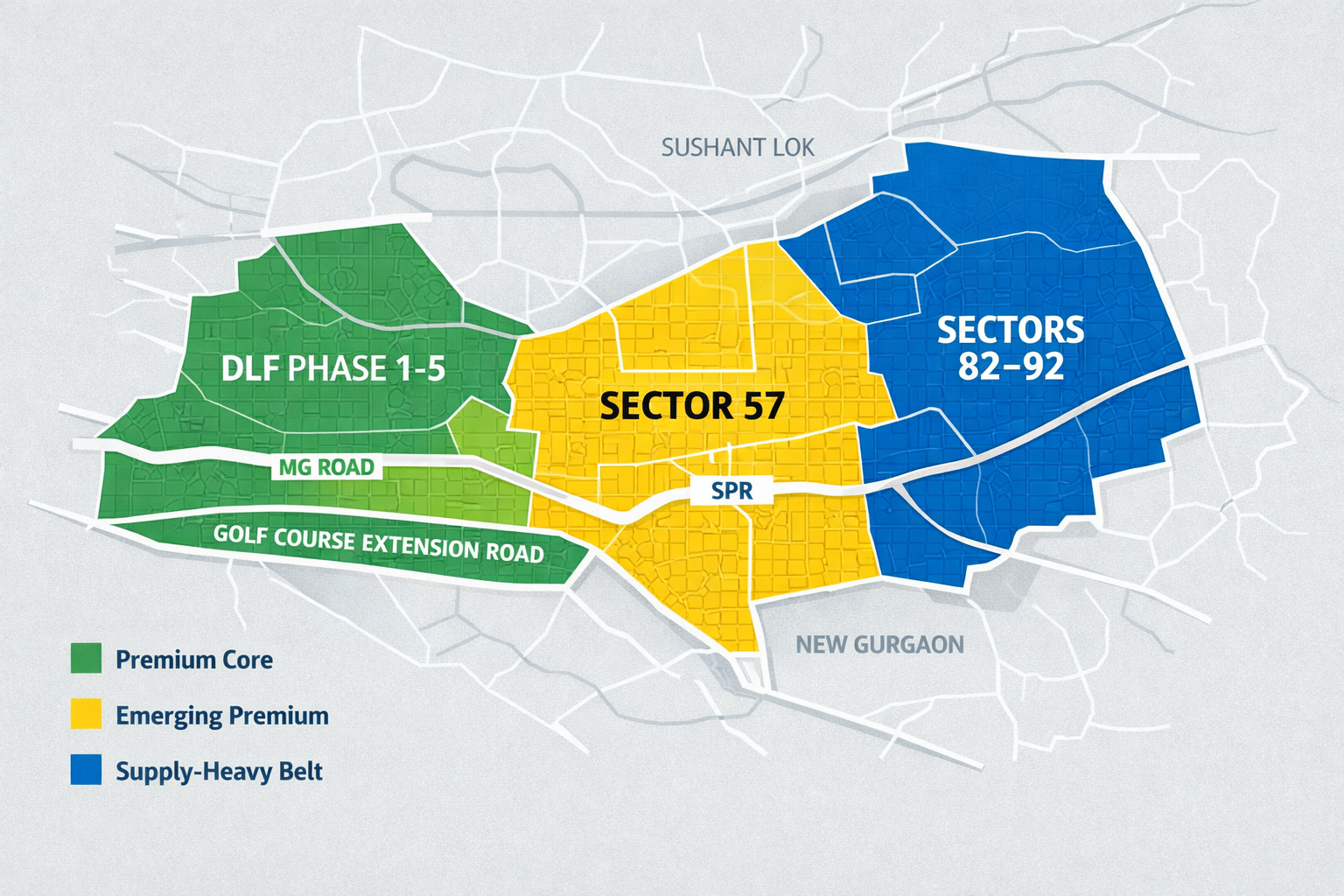
Understanding independent floor in Gurgaon price per sq ft requires analyzing three layers:
- Plot size
- Construction quality
- Sector maturity
Premium Core (Land-Heavy Pricing)
Low rise floors in DLF Phase 1–5
Builder floors near Golf Course Extension Road
Builder floors in Sector 57 Gurgaon
Typical 2026 pricing patterns:
- 240 sq yd plots: Higher ticket size due to land component
- 360 sq yd plots: Premium luxury positioning
- 60–70% pricing often reflects land value
- Luxury builder floors Gurgaon price premium driven by brand finishes + lift + facade design
These areas show land-backed stability.
Emerging Premium (Infra-Led Pricing)
Sectors 63A, 65, 67:
- Competitive independent floor pricing vs DLF
- Balanced land + construction value
- Better entry opportunity for mid-to-long term buyers
- Strong demand for new builder floors in Gurgaon with lift + modern layouts
Supply-Heavy Belts (Construction-Sensitive Pricing)
Sector 82, 83, 92, 69:
- Builder floors in New Gurgaon price trends are more construction-driven
- Appreciation depends on build quality and absorption
- Wider pricing variance between similar plot sizes
Here, resale liquidity depends heavily on builder credibility.
Builder Floor vs Apartment Gurgaon: Which Is Better in 2026?
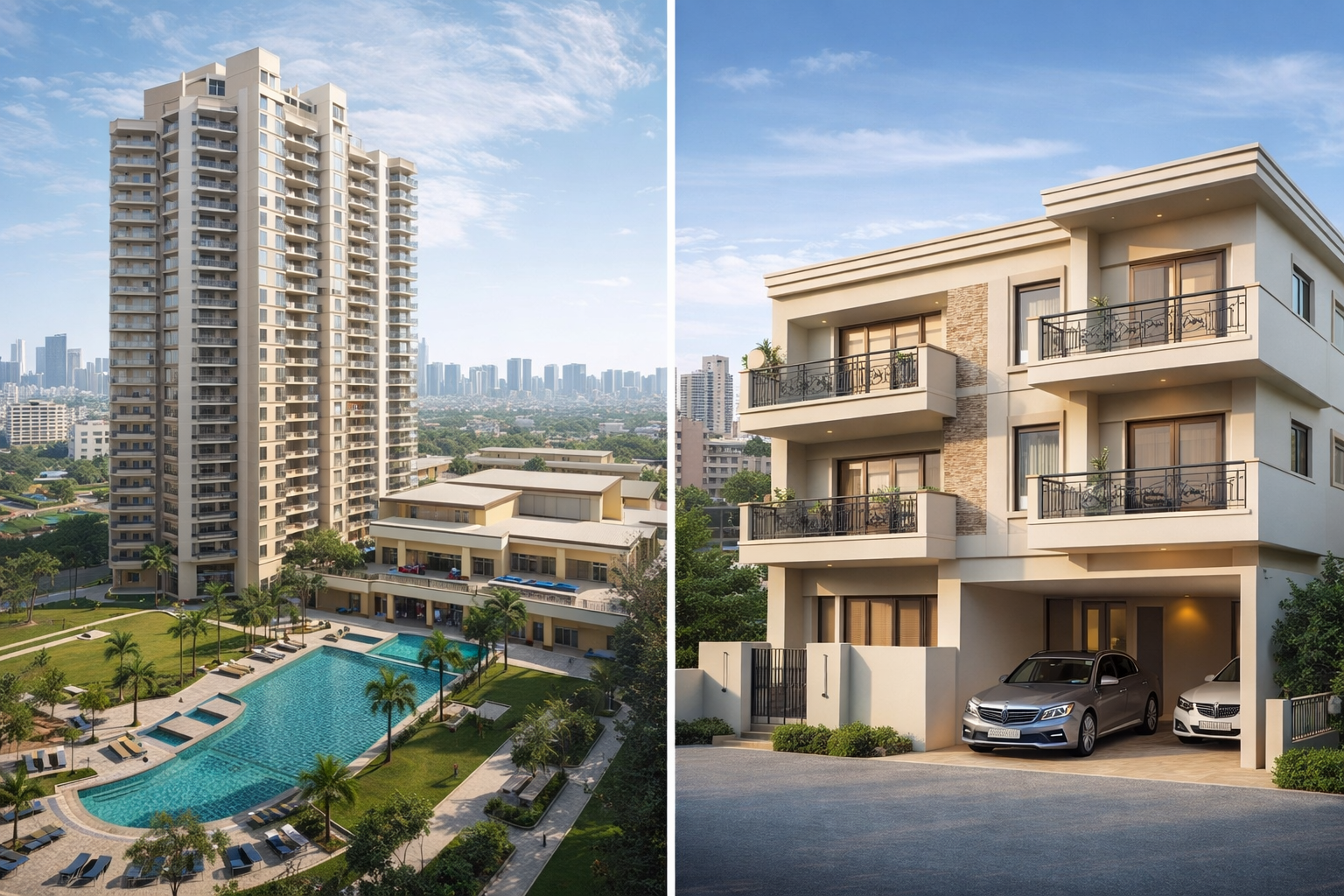
The builder floor vs apartment Gurgaon debate is not about superiority.
It’s about alignment.
Apartments Offer:
- Better rental velocity
- Stronger short-term liquidity
- Clubhouse, amenities, managed living
- Predictable maintenance structure
Builder Floors Offer:
- Land-backed ownership
- Privacy and exclusivity
- Larger layouts
- Customization flexibility
- Lower density living
Resale Comparison
- Apartments often resell faster in supply-heavy corridors.
- Builder floors in DLF and Sector 57 Gurgaon show faster resale cycles due to land value support.
Buyers focused on rental yield often prefer apartments.
Buyers focused on wealth preservation lean toward builder floors.
That clarity reduces confusion.
Investment Analysis: Do Builder Floors Make Financial Sense?
Capital Appreciation
Land-heavy sectors (DLF, Golf Course Extension) outperform during stable cycles.
Supply-driven belts may see slower appreciation if absorption lags.
Builder floors reward patience and location intelligence.
Rental Yield in Gurgaon Builder Floor
Rental yield typically ranges around 2–3%, similar to premium apartments.
However:
- DLF Phase 1 builder floor rent remains strong due to expat and senior executive demand.
- Sector 57 builder floor rent shows balanced end-user appeal.
- Supply-heavy sectors may face temporary vacancy risk.
Builder floors are not flip assets.
They are capital preservation assets.
Circle Rate vs Market Rate Gurgaon Gap
Investors must assess:
- Circle rate vs market rate Gurgaon differences
- Future revision risk
- Registry cost implications
Ignoring this impacts real returns.
Best Sectors for Builder Floor Investment in 2026
Premium Core (Stable Land Value, Faster Resale)
- Low rise floors in DLF Phase 1–5
- Builder floors near Golf Course Extension Road
- Builder floors in Sector 57 Gurgaon
Fastest absorption cycles.
Land scarcity supports valuation.
Emerging Premium (Balanced Growth)
- Sector 63A
- Sector 65
- Sector 67
Strong infrastructure momentum.
Moderate liquidity cycle.
Supply-Heavy / Investor Dominant
- Sector 82
- Sector 83
- Sector 92
- Sector 69
Selective absorption.
Construction quality drives differentiation.
Resale liquidity in builder floors is resale-led, not developer-launch driven.
That’s a crucial difference from apartment markets.
Living Perspective: Why End-Users Prefer Builder Floors
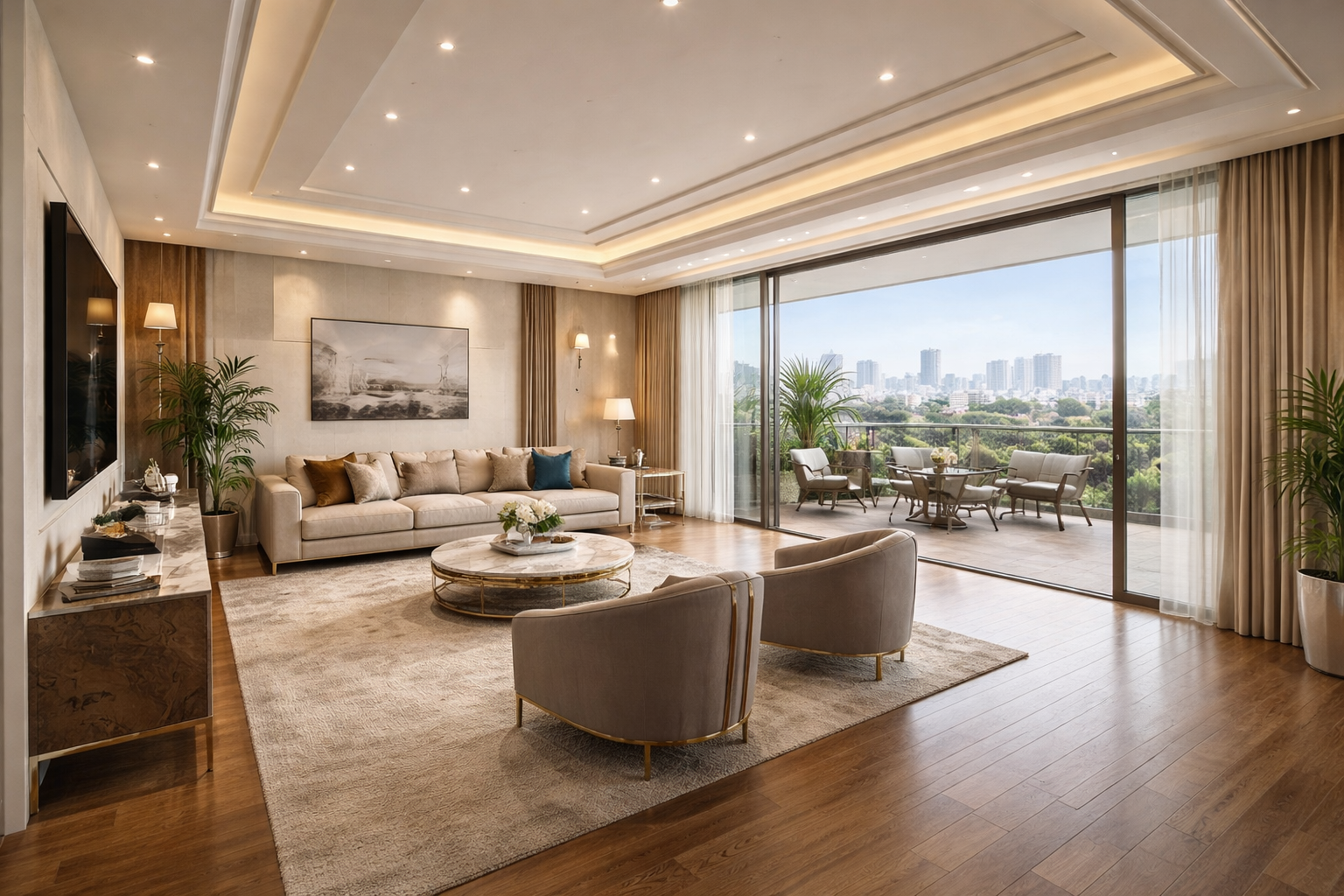
From a living standpoint, benefits are immediate:
- Noise insulation advantage
- Floor exclusivity pride factor
- Larger balconies and ventilation
- Independent parking
- Custom interiors
Ideal for:
- Joint families (separate floors)
- Senior citizens (low density)
- Work-from-home professionals
- Long-term residents (10+ year horizon)
Lifestyle ROI often outweighs rental ROI.
Legal & Registry Checklist (Critical in 2026)
Before closing any deal, verify:
- Builder floor registry process Gurgaon compliance
- Floor-wise registry Haryana eligibility
- Sanctioned building plan
- Mutation process Gurgaon property clarity
- Clear title documentation
- Parking allocation rights
Builder floor transactions require sharper due diligence than apartment purchases.
Who Should Avoid Builder Floors?
Avoid if:
- You want heavy amenities
- You rely heavily on rental income
- You plan to flip in 1–2 years
- You prefer hands-off maintenance
In such cases, premium high-rise societies may be better suited.
Final Advisory Verdict (2026)
Low-rise builder floors in Gurgaon are lifestyle-first assets with land-backed wealth characteristics.
They outperform apartments in:
- Privacy
- Customization
- Land appreciation potential
They underperform apartments in:
- Short-term liquidity
- Rental velocity
- Managed convenience
The smartest buyers in 2026 are not chasing interiors.
They are understanding micro-market dynamics, policy impact, and sector-level absorption cycles.
Frequently Asked Questions About Builder Floors in Gurgaon (2026)
Is buying a builder floor in Gurgaon a good investment in 2026?
Builder floors in land-heavy sectors like DLF Phase 1–5 and near Golf Course Extension Road tend to perform better for long-term capital appreciation because pricing is strongly linked to plot value. In contrast, builder floors in New Gurgaon sectors (82–92) are more supply-driven and construction-sensitive.
If you are looking for:
Short-term flipping → Not ideal
Stable long-term wealth preservation → Strong option
Rental yield-focused investment → Apartments may offer better liquidity
Builder floors reward patience and micro-market understanding. They are not speculative inventory — they are land-backed assets.
What is the independent floor in Gurgaon price range right now?
The independent floor in Gurgaon price varies significantly based on:
Plot size (180 / 240 / 360 sq yd)
Sector maturity
Lift-equipped vs non-lift
Premium finishes vs standard local build
In 2026:
DLF and Golf Course Extension belt → Land-driven pricing, higher ticket size
Sector 57 / 63A / 65 / 67 → Balanced pricing, mid-to-premium positioning
Sector 82–92 → Wider price variation based on build quality
The key insight:
In premium belts, 60–70% of the value often reflects land, not just construction.
Always compare circle rate vs market rate Gurgaon before finalizing.
Builder floor vs apartment in Gurgaon — which is better for resale?
Resale dynamics differ sharply.
Apartments:
Sell faster in supply-heavy corridors
Attract rental investors
Easier buyer comparison (standardized units)
Builder Floors:
Resale is more selective
Faster absorption in DLF and Sector 57
Slower in oversupply pockets post G+4 policy
If resale speed matters most → Apartments often win.
If long-term appreciation and land value matter → Builder floors hold stronger potential.
It’s not about “better.” It’s about your priority — liquidity or land ownership.
How has the G+4 builder floor policy Gurgaon impacted prices?
The G+4 builder floor policy Gurgaon increased supply, especially in Sectors 82–92.
Its impact:
Higher density on smaller plots
Parking pressure in some belts
Quality variation among local developers
Faster supply cycles
However, in established plotted belts like DLF Phase 1–5, land scarcity still supports price stability despite policy changes.
So the policy created opportunity — but also introduced supply-driven risk in selective pockets.
Understanding this difference is critical before buying.
What legal checks are important before buying a builder floor in Gurgaon?
Builder floors require stricter due diligence than apartments.
You must verify:
Builder floor registry process Gurgaon compliance
Floor-wise registry Haryana eligibility
Sanctioned building plan approval
Mutation process Gurgaon property records
Parking allocation rights
Clear title documentation
Because construction quality and documentation vary across developers, skipping verification can turn a good deal into a long-term liability.
In builder floors, legal clarity is as important as location.




Join The Discussion