

Buying a residential plot in Haryana — whether it is residential plots in Sector 95 Gurgaon, residential plots in Sector 102 Gurgaon, plots in Sector 37D Gurgaon, plots near Dwarka Expressway Gurgaon, or DDJAY plots in Sohna — can be a powerful long-term wealth decision.
But in 2026, rising land disputes, zoning violations, acquisition risks, unauthorized colonies, and licensing gaps have made legal verification more important than ever.
Unlike apartments, where much of the compliance burden lies with the developer, plot buyers carry the majority of legal risk themselves.
If you are researching a legal checklist before buying a plot in Haryana in 2026, this guide is designed to be your master reference.
Why Legal Due Diligence Is Critical for Plots in Haryana
Haryana’s land ecosystem has historically faced:
- Fragmented ownership patterns
- Agricultural-to-residential misuse
- Unauthorized colonies
- Multi-generation inheritance disputes
- Licensing delays in emerging sectors
Many buyers assume registry alone guarantees safety.
It does not.
Registry confirms transfer of ownership — not compliance with zoning regulations, CLU approval, layout licensing, or the Haryana Development and Regulation of Urban Areas Act, 1975.
True safety lies in documentation, licensing validation, land-use status, and regulatory compliance.
Step 1: Verify Land Ownership & Clear Title (Non-Negotiable)

The most critical step is confirming a clear, continuous, and marketable title.
You must verify:
- Seller is the absolute legal owner
- No inheritance disputes exist
- Title chain is traceable for at least 30 years
- No break in ownership continuity
Whether you are evaluating residential plots in Sector 102 Gurgaon, plots in Sector 37D Gurgaon, or DDJAY plots in Gurgaon, verifying a continuous 30-year title chain is non-negotiable.
If you are wondering how to verify plot title in Haryana, the correct process includes:
- Conducting a 30-year title search
- Reviewing Jamabandi (revenue records)
- Verifying mutation entries
- Cross-checking Sub-Registrar Office records
Broker-shared sale deed copies are not enough.
Step 2: Check Land Use (CLU / Zoning Status)
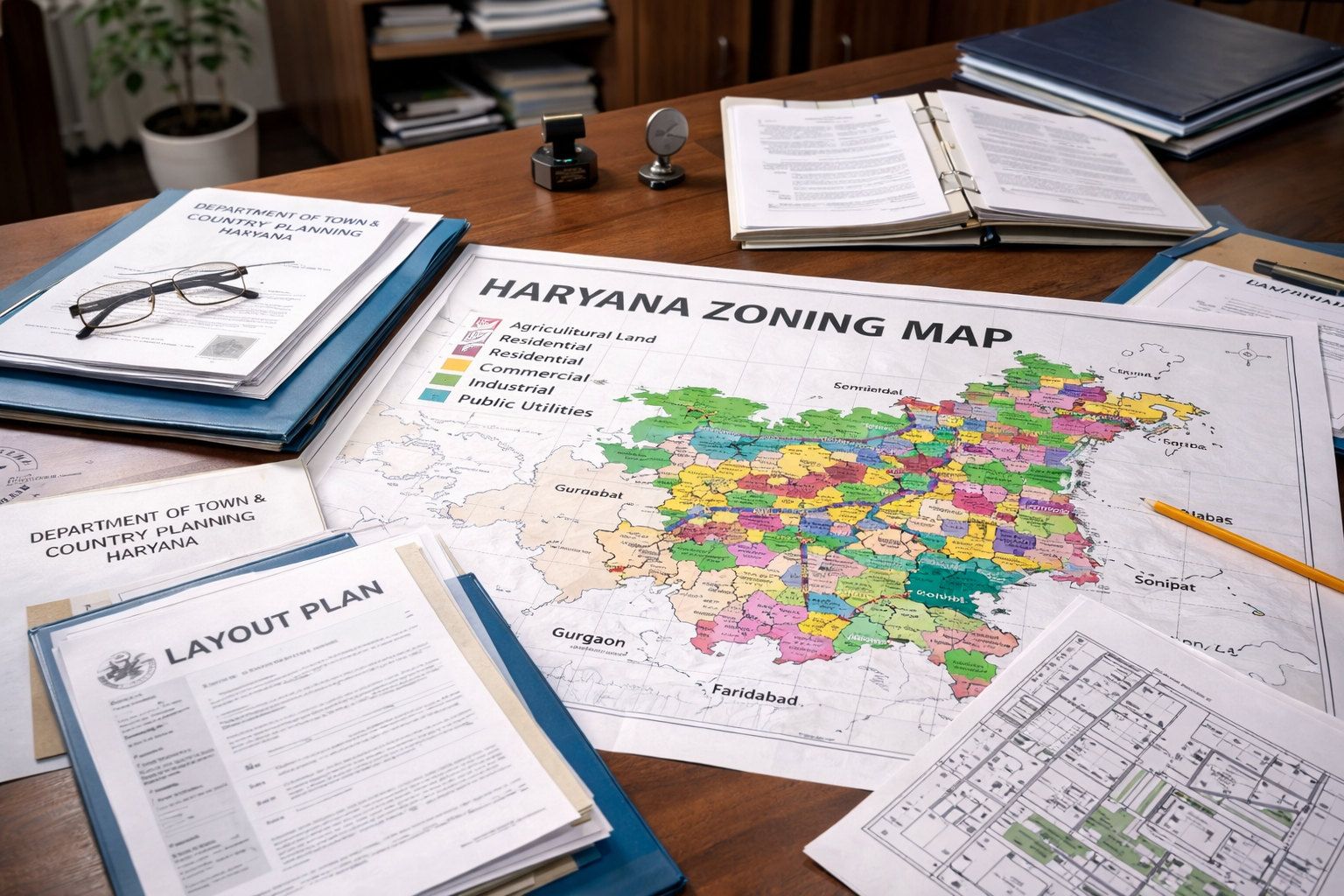
One of the most damaging mistakes buyers make is purchasing agricultural land assuming future residential conversion.
Before paying any token amount, confirm whether the land is classified as:
- Residential
- Agricultural
- Commercial
- Mixed-use
Buyers evaluating residential plots in Sohna Haryana or peripheral sectors must verify CLU approval in Haryana for residential plots before proceeding.
If land has been converted, confirm:
- Official Change of Land Use (CLU) approval
- Conditions attached to CLU
- Compliance status
Without valid CLU approval, construction permissions and utility connections may be denied.
Real-World Risk Example: Missing CLU Check
In several emerging corridors, buyers purchased agricultural land assuming future conversion. Years later, absence of valid CLU approval prevented construction and utility access.
The land remained legally restricted — freezing resale potential and capital for years.
Land-use verification must happen before token payment, not after.
Step 3: Confirm Layout Approval from Competent Authority
If you are buying within a colony or plotted development, confirm layout approval from:
- DTCP Haryana
- HSVP
- Relevant licensing authority
This is especially critical when buying residential plots in Sector 95 Gurgaon, plots near Dwarka Expressway Gurgaon, or projects launched under private licensing frameworks.
An approved layout ensures:
- Legal road connectivity
- Proper plot demarcation
- Infrastructure compliance
- Protection from sealing drives
Never proceed based on “approval under process” claims.
Special Legal Checklist for DDJAY Plots in Gurgaon (2026)
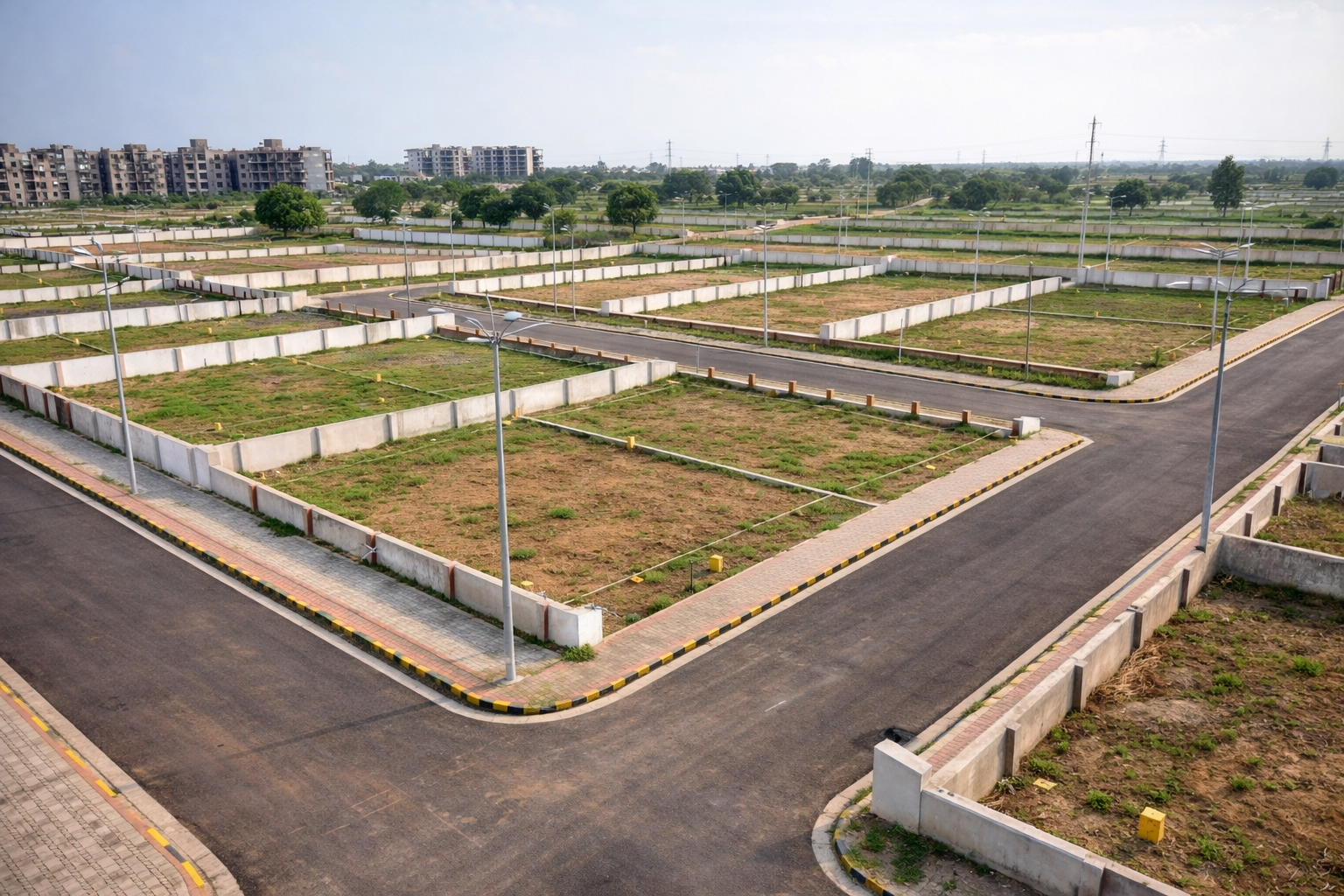
The Deen Dayal Jan Awas Yojana Gurgaon framework has significantly expanded plotted supply in emerging sectors.
However, DDJAY branding does not eliminate due diligence requirements.
When buying DDJAY plots in Sector 102 Gurgaon, DDJAY plots in Sector 37D Gurgaon, or DDJAY plots in Sohna, verify:
- Valid project license number
- License validity period
- Approved layout plan
- Phase-wise development approval
- Infrastructure compliance obligations
DDJAY plots in Gurgaon can be legally compliant — but only when project-level documentation is verified independently.
Step 4: Ensure the Plot Is Not in an Unauthorized Colony
Unauthorized colonies remain a serious risk across Haryana.
Before committing:
- Check DTCP authorized colony list
- Verify project license number
- Confirm regularization notification applies specifically to your plot
If unsure how to check if colony is authorized in Haryana, consult the official DTCP portal or engage an independent property lawyer.
Unauthorized colonies often face:
- Registry complications
- Bank loan ineligibility
- Utility delays
- Demolition or penalty risk
Step 5: Verify Encumbrance Certificate & Financial Liabilities
An Encumbrance Certificate (EC) confirms whether the plot:
- Is mortgaged
- Under litigation
- Used as loan collateral
- Subject to recovery claims
In fast-growing corridors — including residential plots in Sector 95 Gurgaon and emerging expressway zones — inherited land is sometimes pledged without full disclosure.
Also verify:
- No acquisition notices
- No court stay orders
- No pending recovery proceedings
Hidden liabilities can permanently damage resale value.
Step 6: Confirm Access Road & Right of Way
A residential plot without legally documented access road carries significant resale risk.
Verify:
- Road ownership
- Approved width per layout
- Right-of-way documentation
Plots accessed through undocumented private pathways often become legally unsellable.
Step 7: Check Government Acquisition & Master Plan Alignment
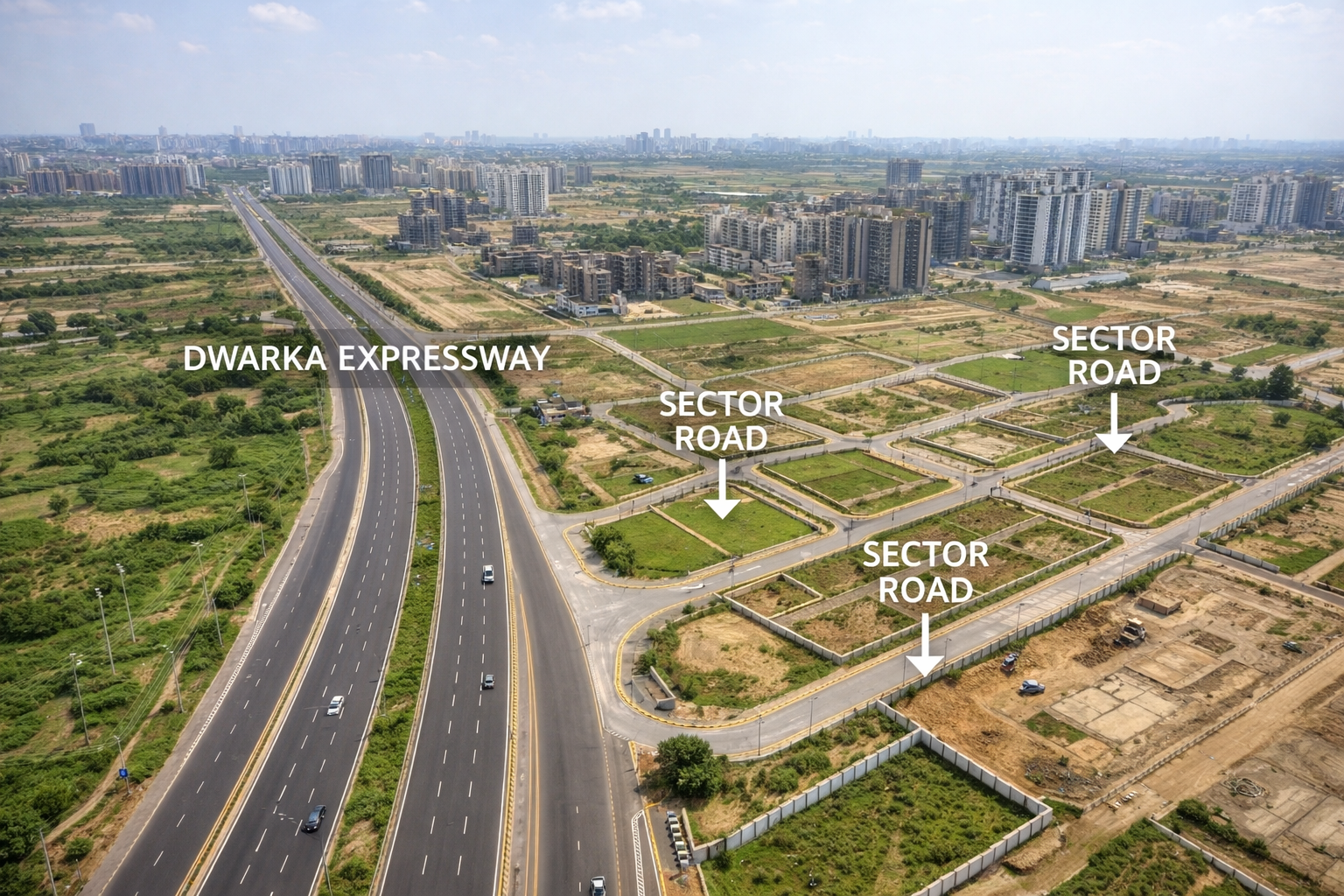
Before finalizing, confirm whether the plot:
- Falls under future road widening
- Lies within green belt reservation
- Intersects sector road alignment
- Is impacted by metro or highway expansion
This is particularly important when evaluating:
- Plots near Dwarka Expressway Gurgaon
- Residential plots in Sector 102 Gurgaon
- Plots in Sector 37D Gurgaon
- DDJAY plots in Sohna
Cross-check with:
- Latest Haryana Master Plan
- Sector development plans
- Municipal notifications
Low pricing in acquisition zones often signals long-term uncertainty.
Additional Legal Checks for Plots in Gurgaon (2026)
To ensure Gurgaon-specific safety, also verify:
- Controlled area restrictions under DTCP
- Green belt reservations
- Sector road alignment risks
- Metro corridor expansion plans
- Licensing delays in peripheral sectors
Rapid infrastructure announcements often precede acquisition notifications.
Frequently Asked Questions People Really Search
How do I check if a residential plot in Haryana has a clear 30-year title history?
To confirm a clear title, you need a 30-year title search conducted by an independent property lawyer. This includes reviewing previous sale deeds, checking Jamabandi records, verifying mutation entries, and cross-checking documents at the Sub-Registrar Office. Any break in ownership continuity or missing documentation can create future legal complications.
What happens if I buy a plot in Haryana without CLU approval?
If a plot does not have valid Change of Land Use (CLU) approval, construction permissions may be denied and utility connections such as electricity or water may not be granted. In some cases, authorities may issue notices restricting development. Verifying CLU status before paying token money is essential.
How can I find out whether a plot in Gurgaon falls under future road or acquisition plans?
You must check the latest Haryana Master Plan, sector development maps, and municipal notifications to confirm whether the land falls under road widening, green belt reservation, or infrastructure corridors. This is especially important for plots near Dwarka Expressway Gurgaon and other developing sectors.
Is it safe to buy DDJAY plots in Gurgaon without independent legal verification?
No. Even though DDJAY projects operate under a government framework, buyers must still verify the project license number, layout approval, infrastructure compliance, and title continuity. Government scheme branding does not eliminate project-level legal risk.
What legal checks should I complete before paying a token amount for a residential plot in Haryana?
Before paying any token amount, you should verify title continuity, encumbrance certificate status, CLU approval, layout licensing, colony authorization, and acquisition risk. Legal due diligence should always precede financial commitment, not follow it.



Join The Discussion