

Gurgaon’s luxury market hasn’t suddenly changed. It’s been moving in this direction for some time — just not in a way that’s obvious at first glance.
Earlier, the pitch was straightforward: bigger apartments, better materials, premium fittings. That still sells. But it doesn’t carry the same weight anymore.
Now when buyers walk into a sample unit, they don’t just look — they start editing things in their head.
A wall that could go.
A room that feels undersized.
A layout that almost works, but not quite.

And once that thought process kicks in, fixed layouts start feeling limiting, even if everything else looks “premium.”
Why Buyers Are No Longer Settling
The shift becomes clearer when you look at how people react during actual site visits.
They don’t ask what’s included first. They notice what doesn’t work.
A kitchen that looks good but isn’t practical.
A study that feels like leftover space.
Bedrooms placed in a way that doesn’t suit how the family actually lives.
For someone working from home, these aren’t small issues. They repeat every day.
Earlier, most people adjusted and moved on.
Now, many pause at that point. Some walk away. Others start asking what can be changed — and how much of it is actually allowed.
What “Customization” Looks Like on Ground
This is where things get less straightforward.
Almost every premium project today mentions flexibility. The meaning changes from one project to another.
In a few cases, you can genuinely reshape parts of the home — combine rooms, open up spaces, rethink flow.
In many others, it stays closer to surface-level choices.
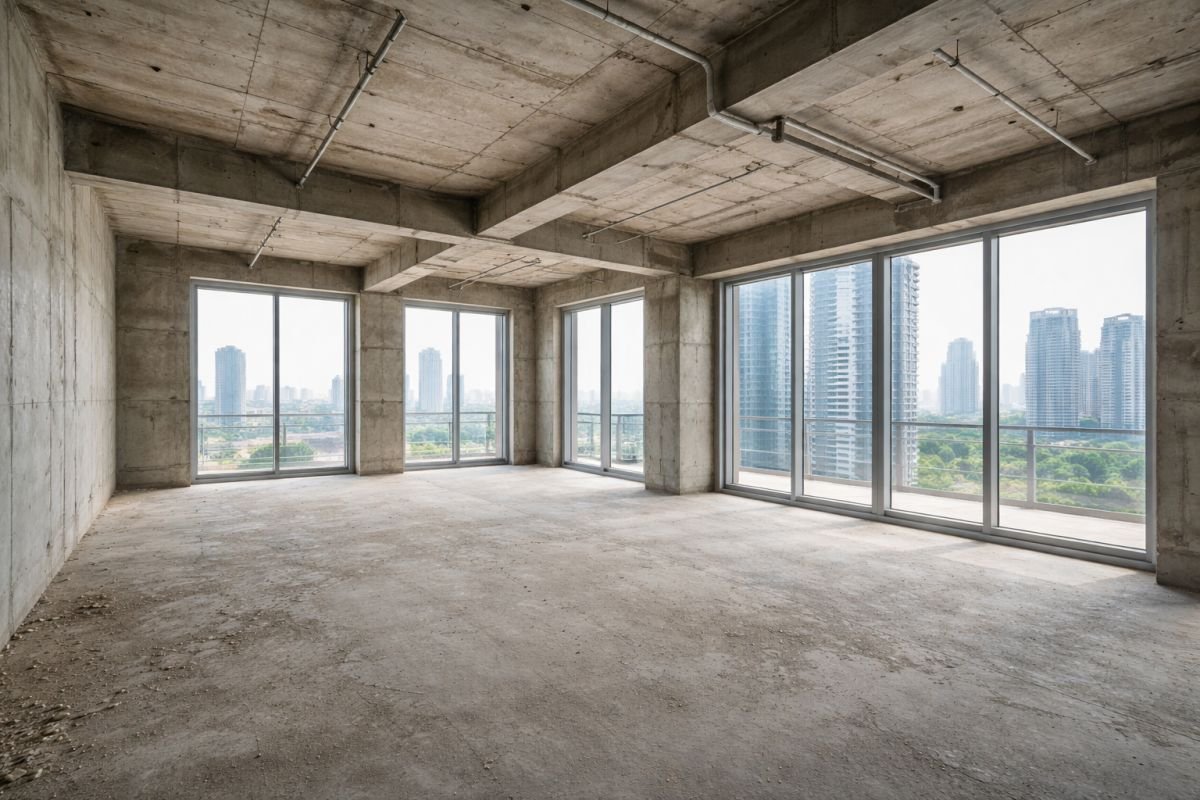
And then there are bare shell units. Maximum freedom, yes — but also where things start getting real.
Because once you step into that zone, you’re no longer just a buyer. You’re managing a process.
Why Gurgaon, Specifically
A lot of buyers here aren’t seeing luxury housing for the first time. They’ve lived in better-planned homes — sometimes abroad, sometimes in other cities — and that reference point stays.
It shows up in small reactions.
Ceiling height feels slightly off.
Storage isn’t where they expect it.
Natural light could have been handled better.
Also, more purchases now are for living, not just holding or flipping.
That changes how people evaluate a home.
Still, it’s uneven across projects. Some genuinely allow flexibility. Others position it well but don’t go far once you get into details.
How Developers Are Playing It
Developers have responded — but carefully.
You’ll see options like:
- semi-finished units
- a few layout adjustments
- pre-designed interior packages
But there’s always a boundary.
Structural changes? Limited.
Timelines? Fixed.
Approvals? Controlled.
From their side, it’s necessary.
From the buyer’s side, it can feel like you’re choosing within a framework that was already decided.
Resale — Where People Get This Wrong
There’s a common assumption that customization automatically adds value.
Sometimes it does. Sometimes it doesn’t.
A home that feels well-planned — better flow, smarter use of space — usually leaves a strong impression.
But push it too far and things start narrowing.
- Reducing bedrooms to create larger spaces
- Very specific design themes
- Layouts that only work for one type of family
These don’t always translate well in resale.
Most experienced investors here avoid going too far in one direction. They improve the space, but keep it adaptable.
Where Things Start Slowing Down
Not at the idea stage. That part is easy.
The friction shows up later.
Design takes longer than expected
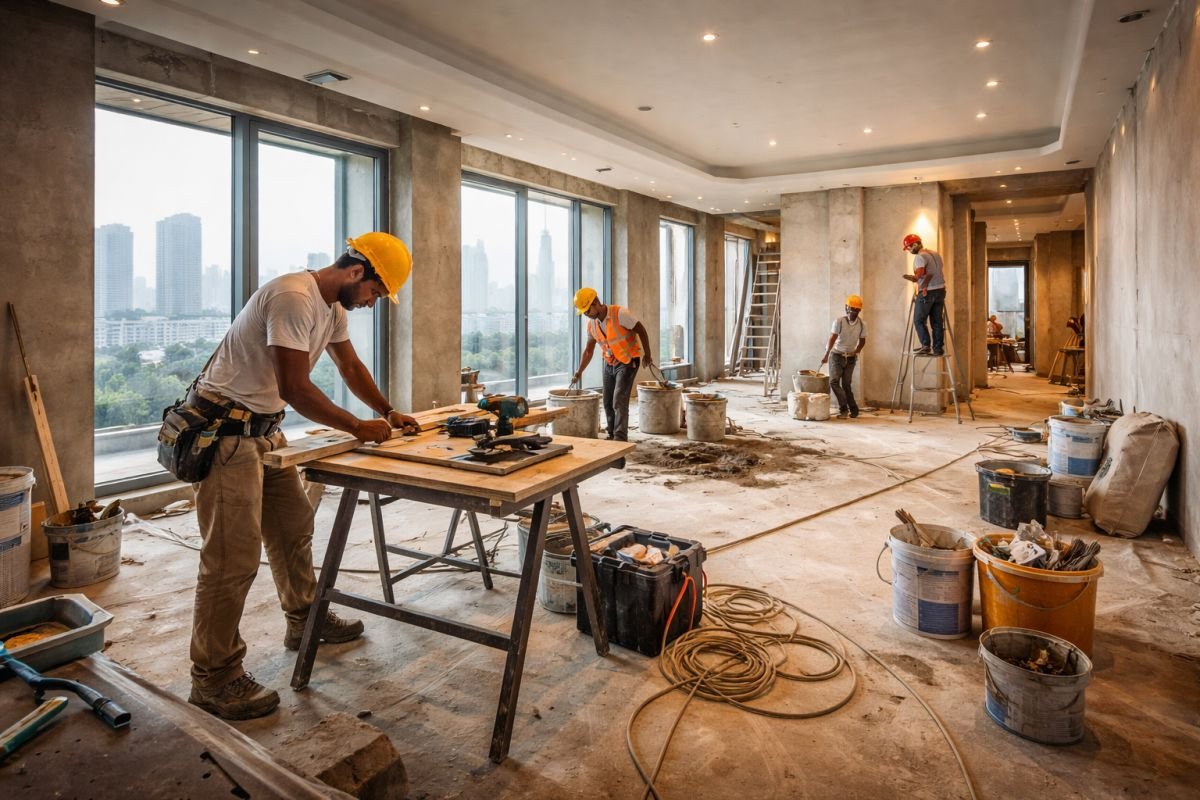
Costs stretch
Too many decisions pile up
Coordination gets messy
Even with a good team, things rarely move as smoothly as planned.
Some buyers are fine with that.
Others realise midway that they didn’t really want to be this involved.
Customization vs Standard — Depends Who You Are
It’s easy to frame customization as an upgrade. It isn’t always.
Standard apartments still work well for a lot of people:
- clear offering
- predictable timelines
- minimal involvement
Customization asks for more — time, attention, decision-making.
Some buyers enjoy that control.
Some just want a finished home that works.
And honestly, both approaches make sense in different situations.
What This Is Turning Into
Developers won’t open things up completely — too many variables.
Buyers won’t go back to fixed layouts either.
So what you’re seeing now is a middle ground taking shape. A bit of flexibility, but within limits.
In Gurgaon, especially, this is already influencing how projects are being positioned.
Not just what’s included anymore.
More about how much you can tweak before it becomes complicated.
👉 You can also explore: Upcoming Projects on Dwarka Expressway 2026: Sector-Wise Price Analysis, 3BHK Entry Rates & Investment Outlook
Frequently Asked Questions
Is customization actually worth going through all the effort?
For some people, yes — especially if layout matters a lot to them. For others, it ends up feeling like more work than expected. It’s not a universal win.
Do developers really allow full flexibility?
Rarely. Most projects offer a controlled version of it. The difference becomes clear once you get into specifics.
How much extra cost should someone keep in mind?
There’s no clean number. Some manage budgets well, others overshoot quite a bit. It often depends on how decisions evolve during execution.
Can too much customization become a problem later?
It can. Especially when changes are very personal or reduce flexibility. What works perfectly for one buyer doesn’t always translate to the next.
Do most buyers actually go for it?
Not fully. Many explore the idea, but a lot of them settle for limited changes once they understand what’s involved.



Join The Discussion