
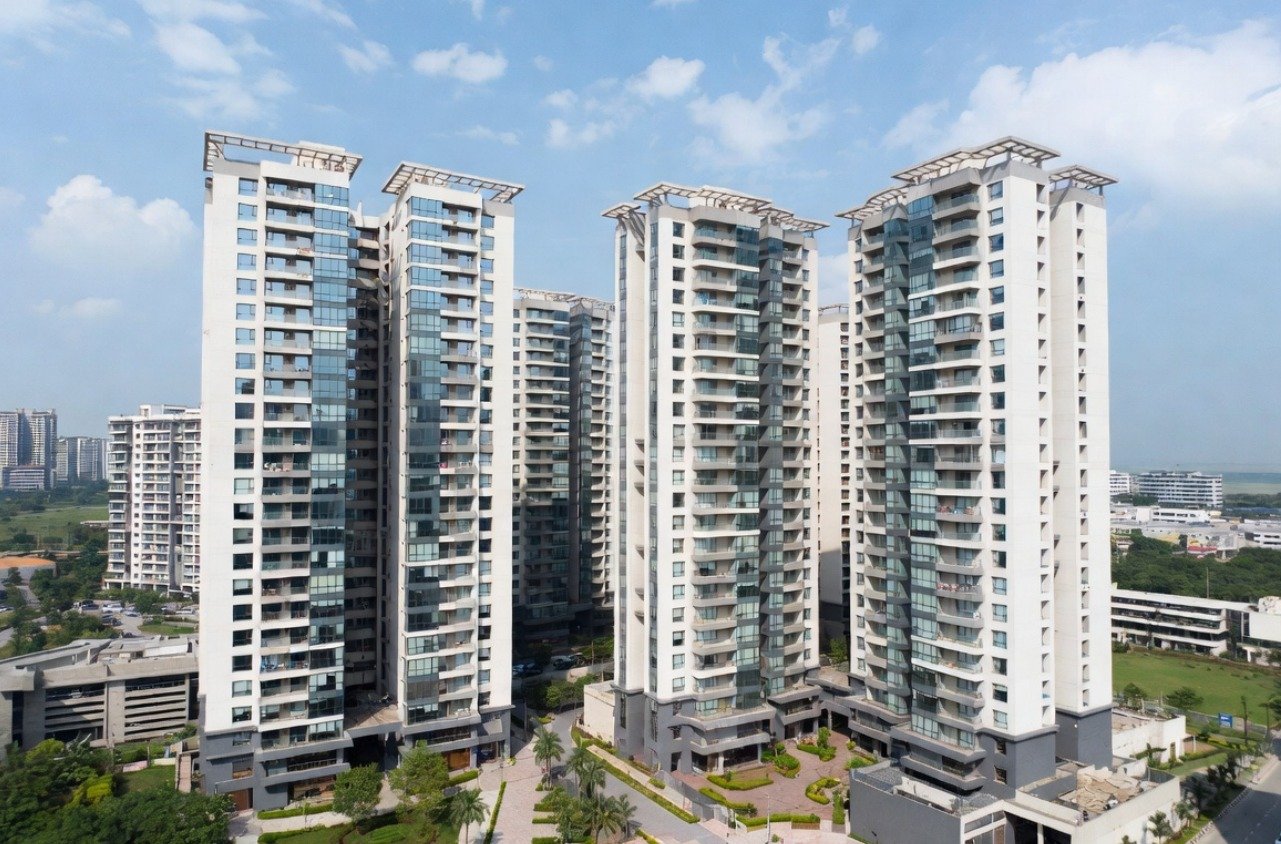
Gurgaon doesn’t wait for infrastructure to complete.
It reacts earlier.
You’ll usually see it in pricing before anything starts running on the ground. By the time a metro line becomes operational, a lot of the easy upside is already gone. Not always—but often enough to matter.
Right now, something similar is playing out again. Routes are clearer than before. Construction has started showing up in pockets. Buyers aren’t rushing in—but they’re watching more closely.
And that’s usually how it begins.

Before You Even Look at “Best Projects”
Most buyers go straight to listings.
Search → compare → shortlist.
But with upcoming metro lines, that approach breaks down a bit.
A project can be close to a proposed station and still underperform later. Access issues, weak surroundings, delayed execution—it adds up. You don’t always see it upfront.
At the same time, there are projects slightly off the main line that end up doing better. Harder to market, easier to live with.
So jumping straight to names… not the best starting point here.
Something Subtle Happening on Dwarka Expressway
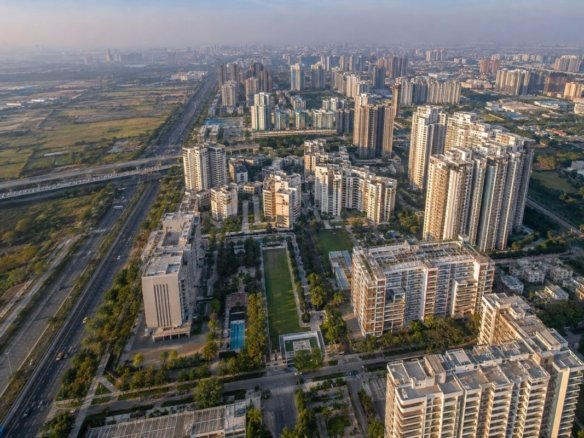
Spend time around sectors 102 to 113 and you’ll notice a mismatch.
Construction looks active. Pricing looks confident. Demand… depends where you look.
In some projects, early investors are already stepping out. Quietly. Not a flood—but enough movement to notice if you track resale conversations.
At the same time, end-users are entering better-planned developments. Slower, but more stable.

That overlap phase usually doesn’t last very long.
Dwarka Expressway: Momentum, With Gaps
Prices in parts of this belt are already sitting somewhere between ₹9,000 and ₹13,000 per sq. ft. A few projects stretch beyond that—mostly branding-driven.
So no, this isn’t “cheap entry” territory anymore.
What’s working is obvious—Delhi access, airport connectivity, wider roads, and eventually metro support tying things together.
But look at it closely and the gaps show up.
Some projects still depend on future internal roads. A few are priced assuming everything goes right. And some locations feel disconnected once you step outside the main stretch.
That rarely plays out cleanly. Even when things do get completed, timelines shift.
Still a strong corridor. Just not uniformly strong.
Risk Starts Earlier Than People Think
It doesn’t begin at possession.
It begins at pricing.

Buy into a project that’s already loaded with “future metro premium,” and your margin is thinner from day one. Even if everything else goes right, returns compress.
That’s already visible in parts of Gurgaon. You’ll hear it in broker conversations more than in marketing material.
Old Gurgaon: Still Doing What It Always Did
Sectors like 5, 7, 9, 10—nothing dramatic here.
People live here. Daily life works. That’s it.
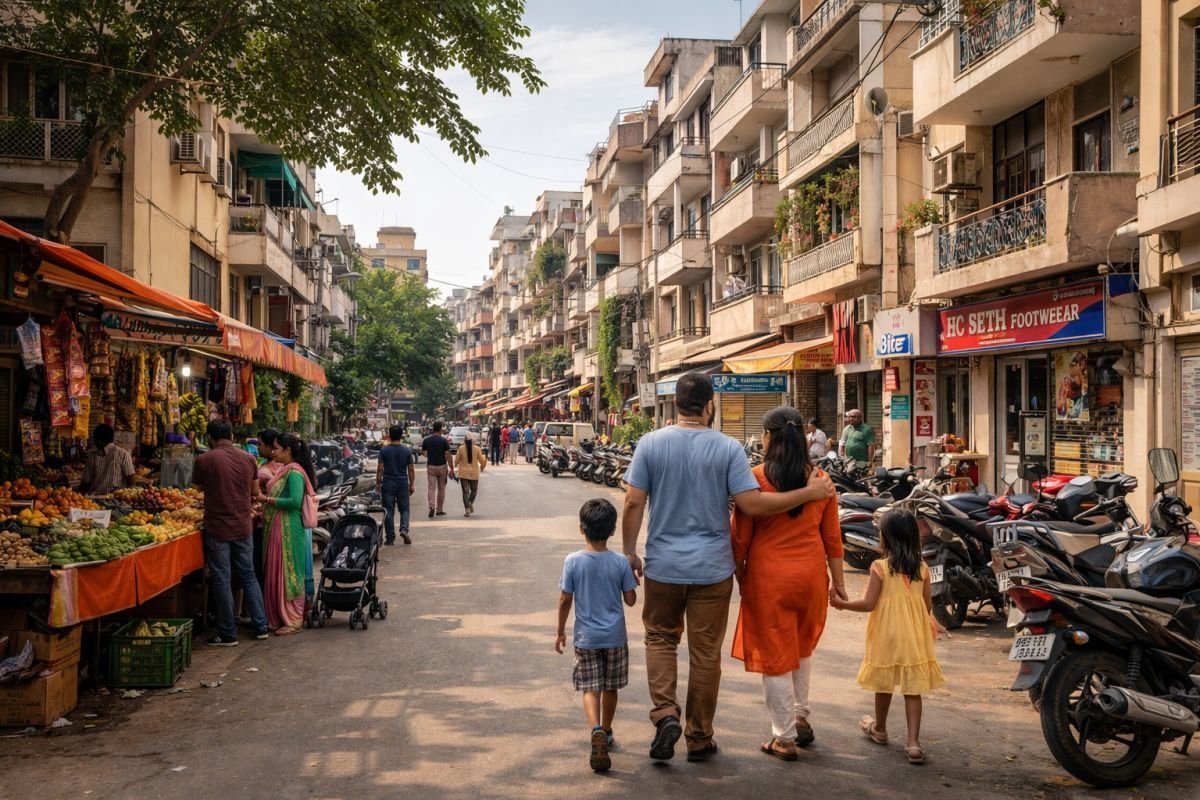
Metro expansion will help. Shorter travel times, better connectivity. But it’s not changing the nature of these areas.
Rental demand should tighten once connectivity improves. It usually does in such locations.
Price movement? Gradual. Sometimes uneven.
Think stability, not spikes.
Not Every “500 Meter” Claim Feels the Same
On paper, a lot of projects look well-positioned.
Walk it once and you’ll know the difference.
Broken approach roads. No proper pedestrian access. Surroundings still underdeveloped.
That distance doesn’t feel like 500 meters anymore.
And later—during resale or rental—that gap shows up clearly.
SPR: Premium, But Not All Equal
Southern Peripheral Road already carries a certain pricing expectation.
No discovery phase left here.

What’s changing is buyer behavior. There’s more filtering now.
Two nearby projects—one moves, one stalls. Same location, different outcomes.
Execution history. Layout. Builder credibility.
Metro will strengthen the corridor, yes. But it won’t fix underlying weaknesses.
A Small Detour—Watch Rentals, Not Just Prices
Most people track capital appreciation.
Rental behavior tells a different story.

In Gurgaon, areas with improving connectivity—especially metro-linked—tend to see quicker tenant movement. Less vacancy, more consistency.
Yields may not jump dramatically. But predictability improves.
And for a lot of investors, that matters more over time.
New Gurgaon: Time Horizon Changes Everything
Sectors 81 to 95 keep coming up in future growth discussions.
And long term, they probably will deliver.
But right now, it’s still uneven.
Some pockets feel ready. Others are still catching up—roads, density, basic infrastructure.
This isn’t a short-cycle market.
People who hold through the slow phases usually benefit. Others get impatient halfway.
Where Decisions Start Slipping
Timing is usually the issue.
Too early—and you’re stuck waiting through delays, slow absorption.
Too late—and most of the upside is already built into the price.
There’s a middle phase where things make sense.
You don’t always identify it perfectly. Few people do.
What Matters More Than Just Distance
Distance is easy to measure.
Actual usability isn’t.
A project works when getting to the station is practical—not theoretical. When surrounding density supports rentals. When roads inside and outside function without friction.
Also depends on who eventually lives there.
Compact units near work zones behave differently from larger family apartments in quieter sectors. Mixing those expectations creates problems later.
Who These Locations Tend to Work For
You’ll see a pattern if you look at actual buyers:
- daily office commuters
- investors chasing rental consistency
- some mid-term holders (3–5 years)
- and even long-term bets on Gurgaon expansion
Then there are buyers expecting immediate lifestyle upgrades or low-density calm. These areas don’t always align with that—at least not right away.
FAQs (As They Actually Come Up)
Are properties near upcoming metro stations worth it?
Yes. But most people get the timing wrong—that’s where returns start thinning out.
Which areas look stronger right now?
Dwarka Expressway has movement. SPR feels more settled. Old Gurgaon is steady. New Gurgaon… depends how long you’re willing to wait.
Buy before or after metro becomes operational?
Somewhere in between. Too early is risky. Too late gets expensive.
Do all nearby projects benefit equally?
No.
Rental demand improves with metro?
Usually, yes. Especially for working professionals. You’ll see it in how quickly units get occupied.
Final Thought
Metro doesn’t create demand from scratch.
It redirects it.
And in Gurgaon, that shift has already started. Not loudly. Not everywhere at once.
But it’s there.

Join The Discussion