
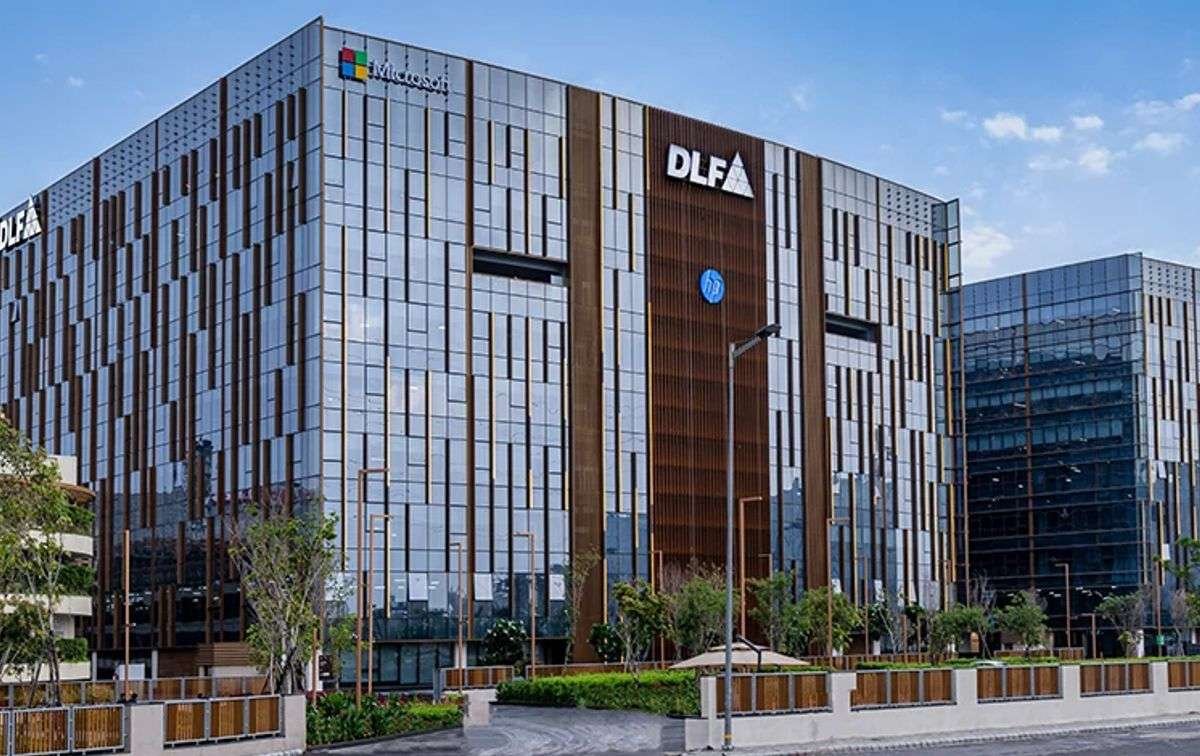
Gurgaon has firmly positioned itself as India’s most institutionally active commercial real estate market outside Mumbai. In 2026, global capability centers (GCCs), consulting majors, BFSI firms, and REIT-backed portfolios continue expanding across its prime business corridors.
For investors evaluating commercial property investment in Gurgaon 2026, Grade A office assets remain the most structured income category.
But structured investing requires clarity:
- What is the realistic office investment return in Gurgaon?
- How stable are vacancy levels?
- What are capital values across micro-markets?
- Is 2026 an expansion or consolidation phase?
This guide delivers a data-backed, investor-grade perspective.
What Defines a Grade A Commercial Investment in Gurgaon?
A genuine Grade A asset typically offers:
- Large, efficient floor plates
- 100% power backup
- Advanced HVAC systems
- Professional facility management
- ESG/LEED-compliant construction
- High parking ratios
- Institutional-grade safety systems
In 2026, tenant experience and ESG compliance directly influence valuation. Institutional capital increasingly prefers stabilized, certified Grade A inventory over legacy commercial stock.
Supply Pipeline & Absorption Trends (2026)

Net absorption remains positive, led primarily by GCC expansion and BFSI leasing across core corridors.
Market Phase: Measured expansion
Prime Vacancy Range: 8–12%
Secondary Vacancy Range: 12–16%
New Grade A supply is concentrated in:
- Golf Course Extension Road
- SPR-linked sectors
- Select emerging business districts
Cyber City, due to land constraints, has limited fresh supply — supporting rental stability.
The market is not oversupplied; absorption remains aligned with controlled inventory growth.

Micro-Market Analysis: Risk-Adjusted Positioning
Cyber City: Defensive Institutional Core

Rental Range (2026): ₹180–₹250 per sq ft
Capital Values: ₹15,000–₹20,000 per sq ft
Vacancy: 8–12%
Yield: 6–7%
Positioning:
- Core institutional REIT cluster
- Low supply elasticity
- Defensive yield play
- Strong tenant credit concentration
Capital appreciation remains strongest here due to scarcity and brand dominance.
Golf Course Road & Extension: Growth-Phase Premium Corridor

Rental Range (2026): ₹150–₹200 per sq ft
Capital Values: ₹12,000–₹16,000 per sq ft
Vacancy: 10–14%
Yield: 6.5–7.5%
Positioning:
- ESG-certified newer inventory
- Competitive rental arbitrage vs Cyber City
- Appreciation upside during expansion cycle
- Balanced risk-return profile
This corridor reflects growth-phase stability with institutional participation rising steadily.
Sohna Road: Tactical Yield Strategy
Rental Range (2026): ₹120–₹160 per sq ft
Capital Values: ₹9,000–₹12,000 per sq ft
Vacancy: 12–16%
Yield: 7–8%
Positioning:
- Yield-first entry strategy
- Mid-tier tenant profile
- Slightly higher rollover exposure
- Tactical allocation zone
Suitable for investors prioritizing income optimization over core branding.
Rental Yield Benchmarks: Office Investment Returns Gurgaon 2026

Across prime micro-markets, structured yields range between 6% and 8%.
Typical lease structure:
- Lock-in: 3–5 years
- Escalation: 12–15% every 3 years
- Stabilized leased commercial property Gurgaon returns: 6.5–7.5%
- Bare shell assets: Higher potential but higher vacancy risk
Inter-City Yield Context
- Mumbai: 4–6%
- Bangalore: 5–7%
- Gurgaon: 6–8%
Gurgaon offers a relative yield premium while maintaining comparable tenant quality.
What Happens If Vacancy Rises to 18–20%?
Stress testing matters.
If vacancy temporarily expands:
- Core zones like Cyber City retain defensive positioning
- Rental growth moderates
- Yield compression may occur in secondary corridors
- Capital appreciation slows but does not collapse
Grade A assets historically recover faster than non-institutional inventory.
Grade A Office vs Residential Investment in Gurgaon
| Metric | Grade A Office | Residential |
|---|---|---|
| Yield | 6–8% | 2.5–3.5% |
| Lease Stability | 3–5 years | 11 months typical |
| Escalation | 12–15% every 3 years | Irregular |
| Institutional Demand | Strong | Limited |
| Cash Flow Predictability | High | Moderate |
For income-focused investors, commercial real estate provides materially stronger structured returns.
Is 2026 a Good Time to Invest in Gurgaon Commercial Property?
Current indicators suggest:
- Balanced vacancy
- Controlled supply growth
- Active institutional participation
- Yield premium vs other metros
The market reflects disciplined expansion — not speculative overheating.
Investor Decision Framework
Before entering Grade A commercial investment in Gurgaon, evaluate:
- Tenant credit rating
- Lease expiry clustering
- Escalation structure
- Entry yield vs micro-market average
- Capital value benchmark vs rent
- Net yield after CAM and vacancy buffer
Investors entering commercial property investment Gurgaon 2026 must prioritize net yield after operating costs, not just headline brochure returns.
Structured investing requires data discipline.
Final Investment Perspective
Gurgaon’s Grade A office market in 2026 reflects:
- Institutional maturity
- Measured expansion
- Stable absorption
- Structured lease frameworks
For investors seeking predictable income with long-term appreciation potential, Grade A commercial assets remain one of India’s most defensible investment categories.
Disciplined entry pricing, micro-market selection, and lease evaluation remain the keys to optimizing office investment returns Gurgaon 2026.
Frequently Asked Questions (FAQs) – Grade A Office Investment in Gurgaon 2026
What is the realistic rental yield for Grade A office spaces in Gurgaon in 2026?
Investors commonly ask how much income they can expect from commercial office assets in Gurgaon. In 2026, rental yields for premium Grade A office buildings typically range between 6% and 8%, with variations depending on micro-market location, lease tenure, and tenant credit quality.
Which Gurgaon micro-markets offer the best returns for office space investment in 2026?
A high-intent investor query is about where to allocate capital. Prime corridors like Cyber City, Golf Course Road/Extension, and Sohna Road remain key. Cyber City leads in stability, Golf Course Road offers ESG-driven growth, and Sohna Road appeals to yield-focused strategies.
Is 2026 a good time to invest in commercial office property in Gurgaon?
This timing question reflects investor sentiment. Industry outlooks suggest 2026 is a strong entry point as controlled supply, infrastructure upgrades, and continued corporate expansion (especially Global Capability Centers) support leasing demand and rental stability.
How does office space rental yield in Gurgaon compare with residential yields?
Prospective buyers often compare asset classes. Grade A office yields in Gurgaon are substantially higher — typically 6%–8% — compared with residential rental yields, which generally sit around 2.5%–3.5% in the same market.
What are the main risks of investing in Grade A office space in Gurgaon in 2026?
Savvy investors ask about downside scenarios. Key risks include micro-market vacancy fluctuations, tenant concentration risk, and higher capital requirements. Assets without modern compliance standards or weak connectivity tend to underperform.


Join The Discussion